 Spotify
 Apple Podcasts
 Podcast Addict
 Overcast
 Podcast RSS
SpaceX aborts Starship Flight 13 launch attempt
Also covered by: Space.com
Original Publication Date: 2026-07-17 00:40
SpaceX aborted its July 16 Starship V3 test flight when several Raptor engines failed to ignite, triggering an automatic abort just as the Super Heavy booster ignited. Engineers identified the issue and will replace two malfunctioning Raptors before the next launch, which is slated for early next week. Flight 13 was scheduled to carry 20 next‑generation Starlink V3 satellites for deployment and communication tests, marking their first trip to space. The abort was the first launch attempt since SpaceX’s IPO, briefly denting shares before they rebounded, and Elon Musk confirmed the plan on X, urging patience.
SpaceX launches 21 satellites for military data network
Also covered by: Spaceflight Now
Original Publication Date: 2026-07-16 21:00
SpaceX’s Falcon 9 lifted off from Vandenberg Space Force Base at 1:32 p.m. PDT (4:32 p.m. ET) carrying 21 York Space Systems satellites for the U.S. Space Development Agency. The launch brings the total of Tranche 1 Transport Layer satellites to 63, half of the planned 126, and resumes the Pentagon’s low‑Earth‑orbit military data network after a pause. The program has shifted from a monthly cadence to a readiness‑based model as SDA addresses earlier hardware and software issues, and the new constellation will soon support missile warning, tracking, and data relay for warfighters even though a full mesh of inter‑satellite links is not yet complete.
Nature study identifies a new way to spot nuclear weapons in orbit
Original Publication Date: 2026-07-16 20:36
A new study in Nature Astronomy proposes a satellite design that could detect thermonuclear warheads in space by using the Van Allen belt’s radiation to trigger spallation in fissile material. The MIT physicist’s CubeSat concept, equipped with a neutron detector and a diamond veto, could confirm a warhead within hours during a close flyby, offering a potential tool for verifying the 1967 Outer Space Treaty. While the technique works only in the inner Van Allen belt and would require cooperative inspections, experts see it as a promising step toward treaty compliance. The researchers plan to validate the simulation with national labs and develop a miniature proof‑of‑concept device.
Defense Innovation Unit seeks commercial path to deliver electrical power from orbit
Original Publication Date: 2026-07-16 15:29
Defense Innovation Unit has issued a call for commercial proposals to develop space‑to‑space and space‑to‑ground power‑beaming systems, with a submission deadline of July 22 and a laboratory demonstration required within 12 months of award. The Pentagon aims to field an operational system by fiscal 2030 that could extend satellite missions and deliver energy to ground forces in hard‑to‑reach areas. The solicitation, open to U.S. And international companies, uses Other Transaction authority to speed prototype agreements and could lead to larger production contracts.
Building the infrastructure for a shifting space economy with Massi Ladovaz
Original Publication Date: 2026-07-16 15:24
In this episode, David Ariosto interviews SpinLaunch CEO Massi Ladovaz about his vision for revolutionizing spacecraft launches. Ladovaz explains what drew him to rethink traditional launch methods and the evolving demands of satellite constellations. He highlights the challenges of building new launch infrastructure to support a rapidly changing space economy. The conversation underscores how SpinLaunch aims to make space access faster, cheaper, and more flexible.
ATVA Opposes Proposed FCC Order Replacing National Broadcast Ownership Cap
Original Publication Date: 2026-07-16 13:58

On July 15, 2026, the American Television Alliance issued a formal statement opposing FCC Chairman Brendan Carr’s proposal to repeal a key broadcasting regulation.
U.S. Space Force Finalizes Acquisition Restructuring Under Nine Mission Portfolios
Original Publication Date: 2026-07-16 13:56
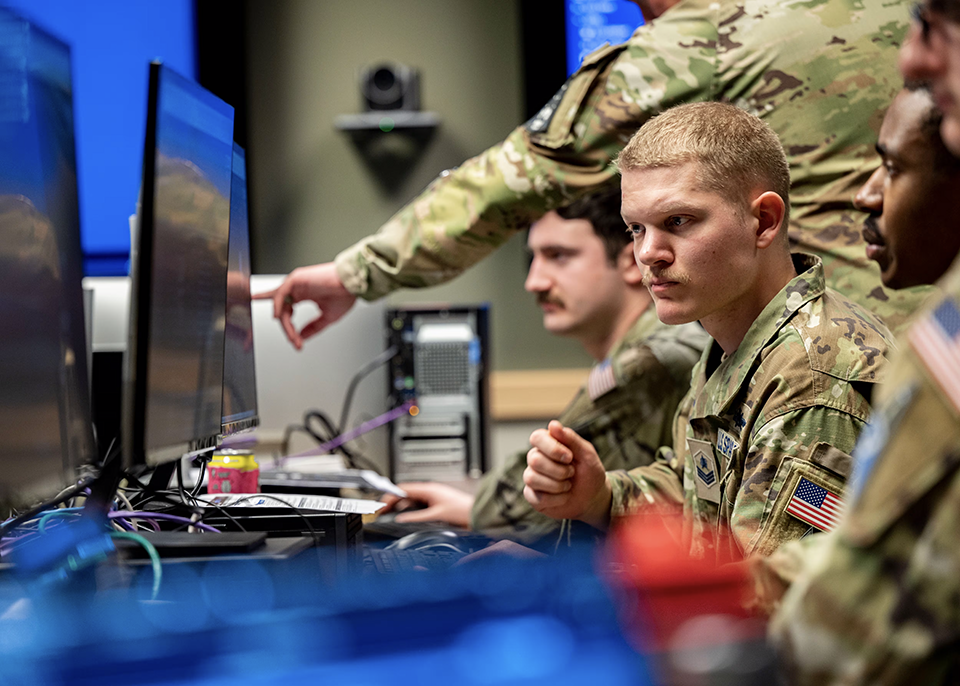
On Thursday, July 9, 2026, the U.S. Space Force announced the completion of a sweeping reorganization of its procurement enterprise, streamlining how it sources and manages critical space assets. The overhaul established three mission‑focused portfolios—likely covering launch, satellite operations, and support infrastructure—to align acquisition with the service’s strategic priorities. By consolidating these functions, the Space Force aims to boost agility, reduce costs, and accelerate delivery of new capabilities. The move signals a decisive shift toward a wartime‑ready procurement posture, positioning the branch for rapid response in an increasingly contested space domain.
South Korea Accelerates Uncrewed Lunar Landing Target to 2030 Under New KASA Strategy
Original Publication Date: 2026-07-16 13:23
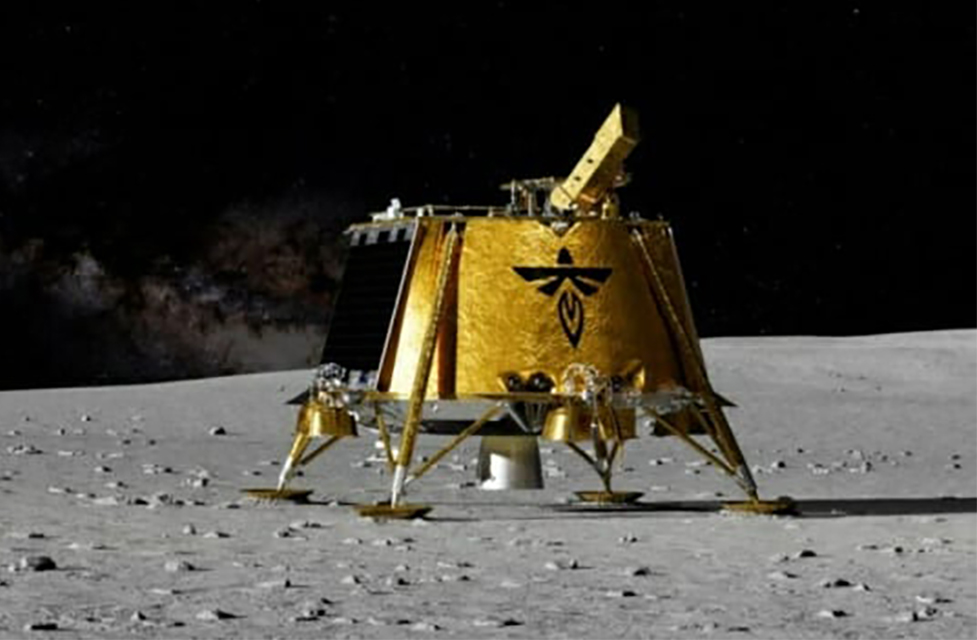
South Korea has officially approved a comprehensive aerospace roadmap, advancing its first uncrewed lunar landing by two years. The plan, unveiled on July 3, 2026, outlines milestones for satellite development, launch infrastructure, and international collaboration. By accelerating the lunar mission, Seoul aims to solidify its position as a growing space power and inspire a new generation of engineers. The government’s move signals a bold commitment to expanding its presence beyond Earth.
AST SpaceMobile Defers Commercial Direct-to-Device Timeline to Early 2027
Original Publication Date: 2026-07-16 13:10
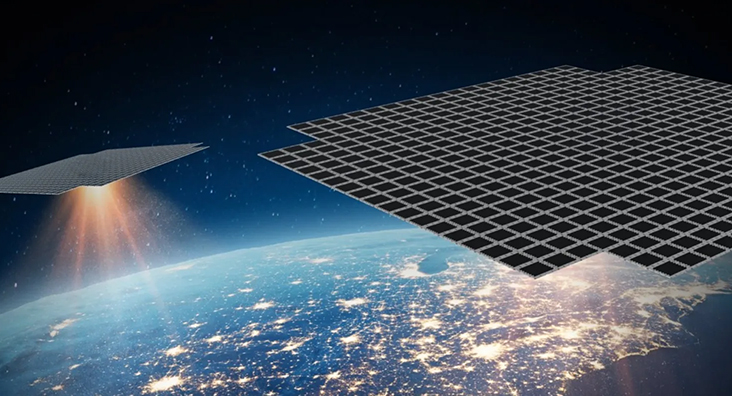
AST SpaceMobile Inc., the satellite‑to‑phone pioneer, has pushed its commercial Direct‑to‑Device service launch back to early 2027, according to a new regulatory filing.
A Tide-Fueled Trove of Biodiversity in Guinea-Bissau
Original Publication Date: 2026-07-17 04:01

NASA’s latest study reveals that the Bijagós Archipelago in Guinea‑Bissau experiences tidal swings of up to 7 meters—more than double the typical West African range—thanks to its wide, shallow shelf and estuary shape. This dramatic ebb and flow exposes vast mudflats and sandbanks that feed hundreds of species of migratory shorebirds, making the islands one of the most important feeding grounds along the East Atlantic Flyway. The same tides also bring manatees, dolphins, and schools of fish closer to the mangroves, while green sea turtles nest on Poilão’s sandy beaches and then face a perilous journey to the sea. The findings, validated with altimetry data from NASA and CNES satellites, underscore the archipelago’s unique role as a biodiverse deltaic hotspot and a UNESCO World Heritage site.
NASA Welcomes Serbia as Newest Artemis Accords Signatory
Original Publication Date: 2026-07-16 22:37
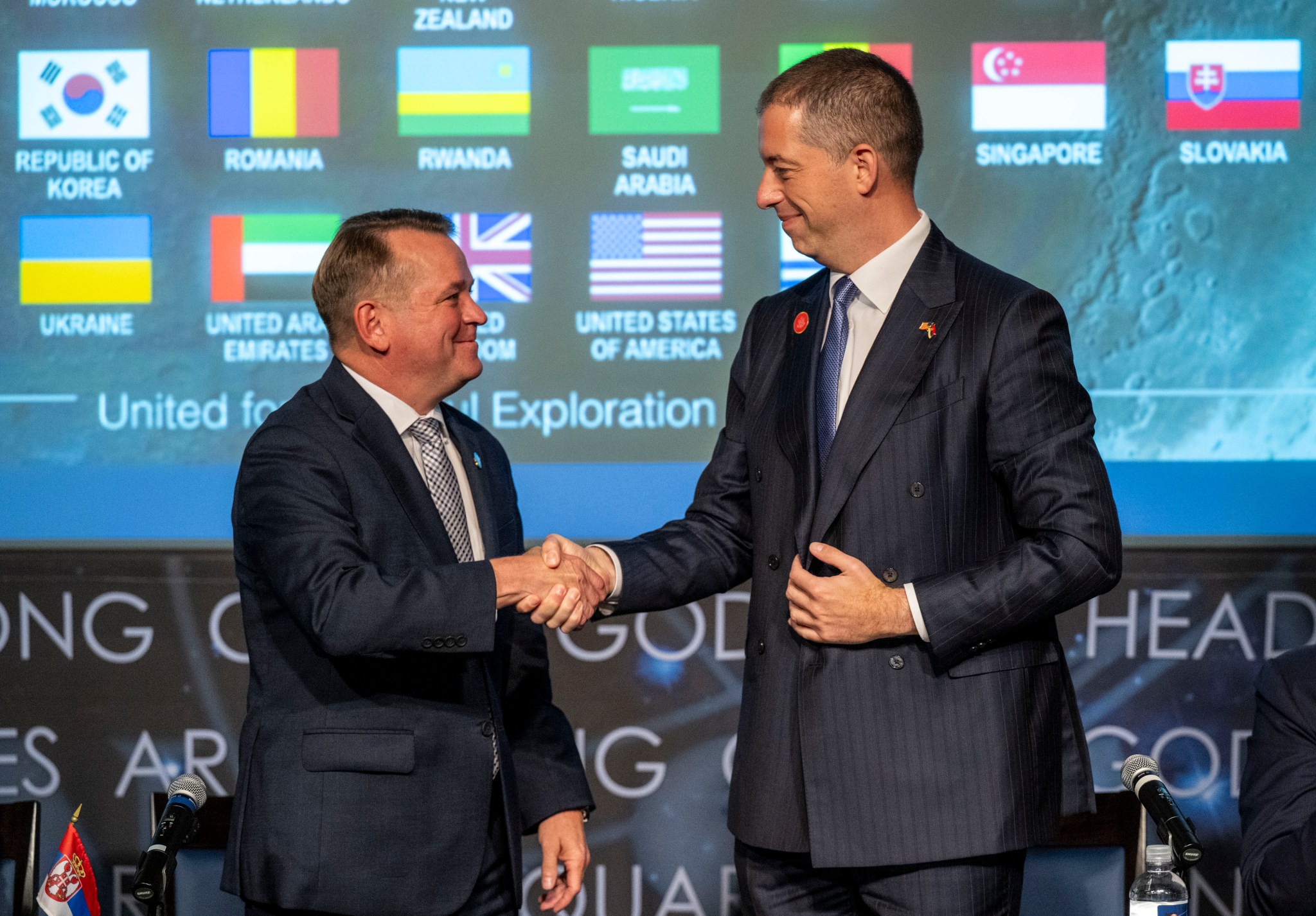
Serbia has become the 69th nation to sign NASA’s Artemis Accords, joining a growing coalition committed to peaceful, transparent lunar exploration. The ceremony, held at NASA Headquarters, highlighted the country’s historic ties to the Apollo program, noting Serbian engineers who helped bring the Apollo 13 crew home safely. By signing the Accords, Serbia opens doors to future collaborations such as science payloads for a U.S.-led Moon Base and CubeSats for upcoming Artemis missions. This step underscores Serbia’s pledge to push humanity toward new frontiers in space.
NASA Study Finds Near-Earth Asteroid Is Actually Comet
Original Publication Date: 2026-07-16 18:40
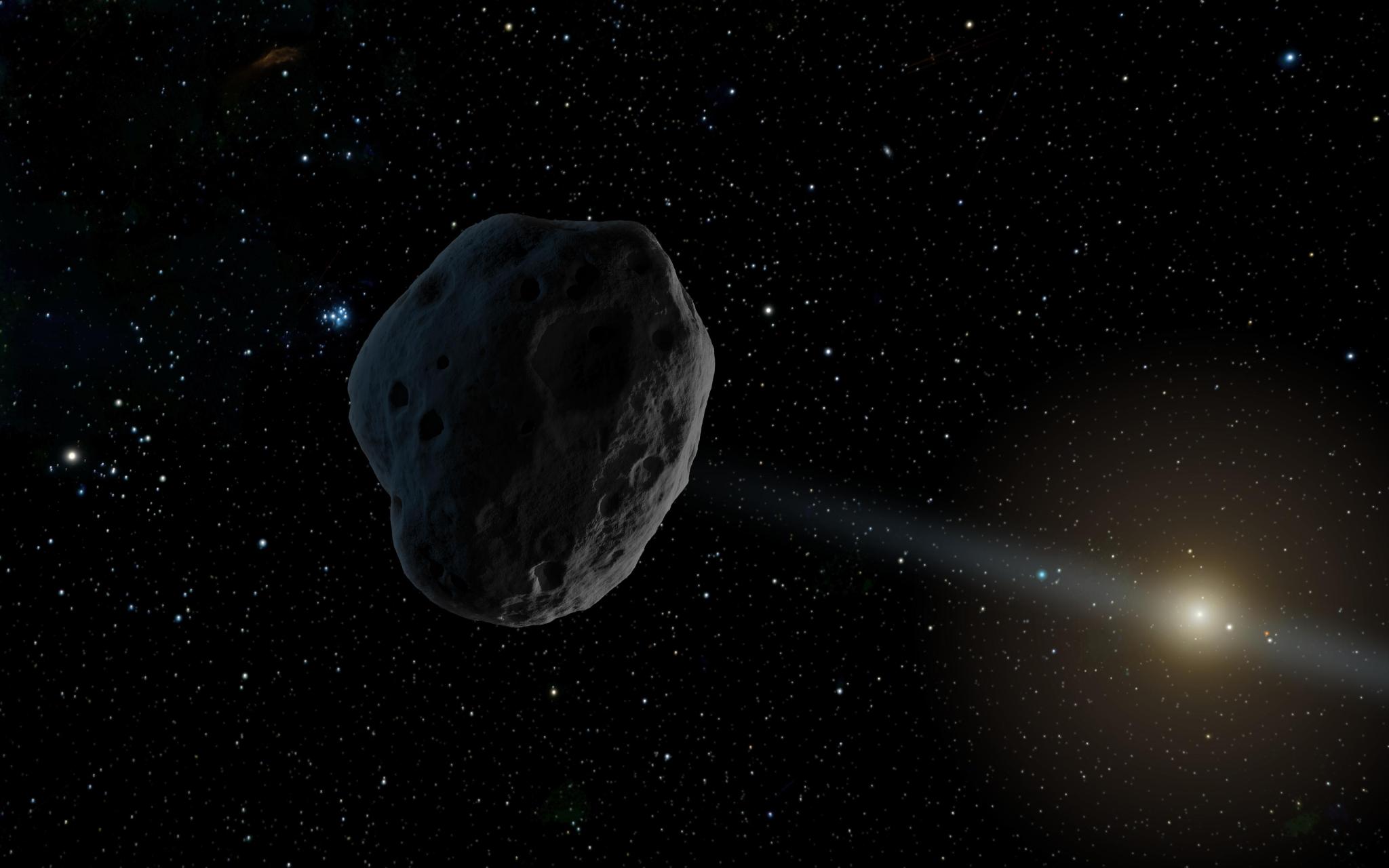
NASA’s Jet Propulsion Laboratory has re‑identified the near‑Earth object 1998 SH2 as a comet after detecting subtle nongravitational forces that tugged its path like a comet’s outgassing. Precise optical tracking and powerful telescopes in Hawaii and Chile revealed a faint tail, confirming the object’s cometary nature and earning it the new designation P/1998 SH2. The discovery highlights a class of “dark comets” that show orbital quirks but no visible coma, underscoring the need for continuous monitoring to distinguish comets from asteroids for planetary‑defense purposes. NASA’s upcoming NEO Surveyor mission will scan the skies for these elusive objects, improving our ability to predict and mitigate potential Earth impacts.
Young Galaxy Cluster
Original Publication Date: 2026-07-16 14:35

NASA’s James Webb Space Telescope has revealed a glimpse of the early universe, capturing the young galaxy cluster MACS J0553.4‑3342, which dates back 4.4 billion years.
SWISSto12 Closes $70M Series C
Original Publication Date: 2026-07-16 11:59

European satellite maker SWISSto12 has secured $70 million in a Series C round to accelerate its expansion into the growing sovereign hardware market. The Swiss firm, founded in 2011, offers the HummingSat GEO satellite and the multi‑orbit HummingLink payload, and it recently reported $140 million in revenue for 2025 and more than $500 million in contract value. CEO Emile de Rijk said the funding will let the company meet demand for everything from direct‑to‑device connectivity to intersatellite relays across any orbit. With contracts from SES, Viasat and others, SWISSto12 is poised to push its satellites into orbit next year.
TraCSS Looms Large Over Mission Authorization Hearing
Original Publication Date: 2026-07-16 11:45
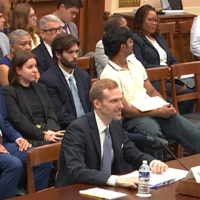
OSC Director Taylor Jordan appeared before the House Science, Space and Technology Subcommittee to discuss a proposed framework for authorizing novel space missions, but lawmakers shifted the focus to sharp budget cuts. The FY27 budget would trim OSC’s funding to just $11 million—an 80% cut from FY26—while eliminating dedicated money for the Traffic Coordination System for Space, a tool that recently opened a pilot for satellite operators.
Falcon 9 Sales Freeze Anxiety and Our Launch Ramp Forecast Model for New Rockets
Original Publication Date: 2026-07-16 11:40

SpaceX’s recent halt in Falcon 9 sales has sent ripples through the launch market, raising concerns about the future of the reusable rocket’s demand. Analysts and industry insiders are turning to new forecasting models that map out launch ramp‑ups for upcoming rockets, offering a clearer picture of how the sector might rebound. These models suggest a gradual increase in launch activity as newer vehicles come online, but the pace will depend on commercial contracts and regulatory approvals. The industry remains watchful as the next generation of rockets prepares to fill the void left by Falcon 9.
Astronomers discover landslides on Pluto large enough to bury entire cities on Earth
Original Publication Date: 2026-07-16 20:00
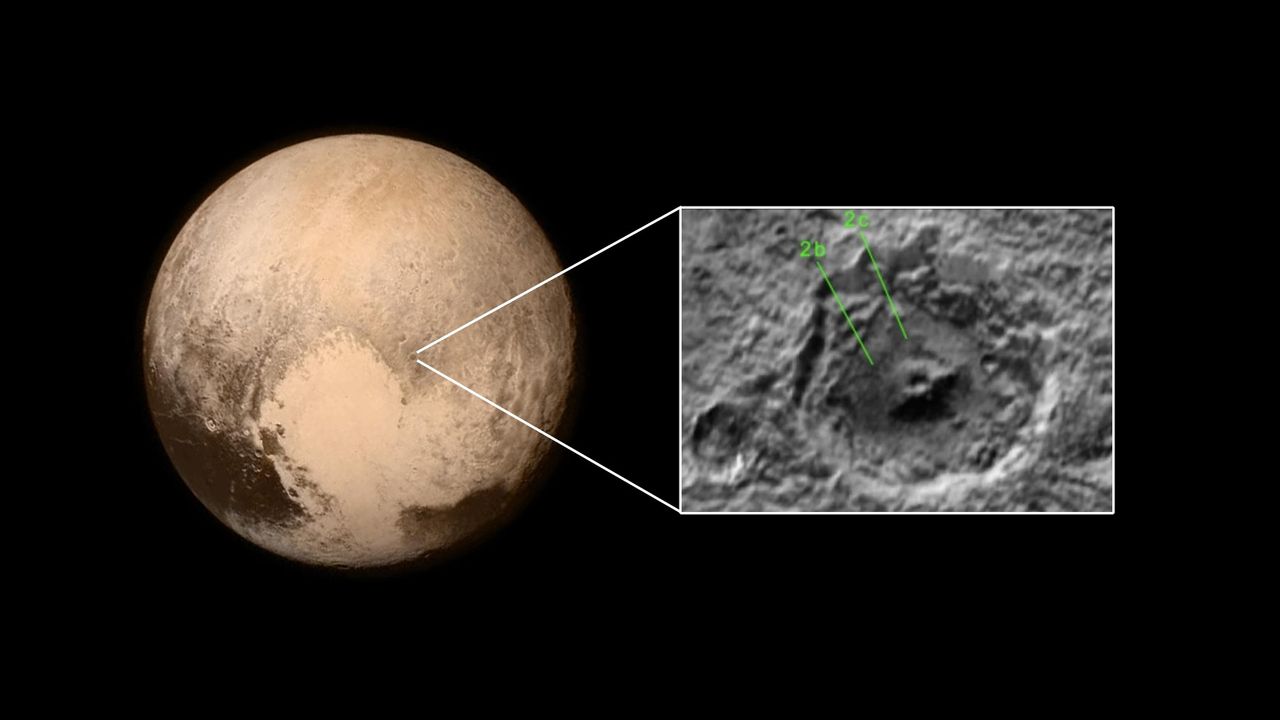
Scientists have found six massive landslides on Pluto, the first clear evidence of geological activity on the dwarf planet. Using images from NASA’s New Horizons probe, the team mapped debris aprons that stretched up to 14.5 km and covered 50 square miles—enough to bury a small city. The slides appear to be driven by Pluto’s low gravity and icy rubble, possibly triggered by thermal stresses from the dwarf planet’s seasonal heating as it swings in and out of the Sun’s reach. These findings, published in the journal Icarus, show that Pluto’s surface is still dynamic and reshaping itself over geological timescales.
Astronomers discover 1st atmosphere around a rocky Earth-like planet in the habitable zone
Original Publication Date: 2026-07-16 18:00
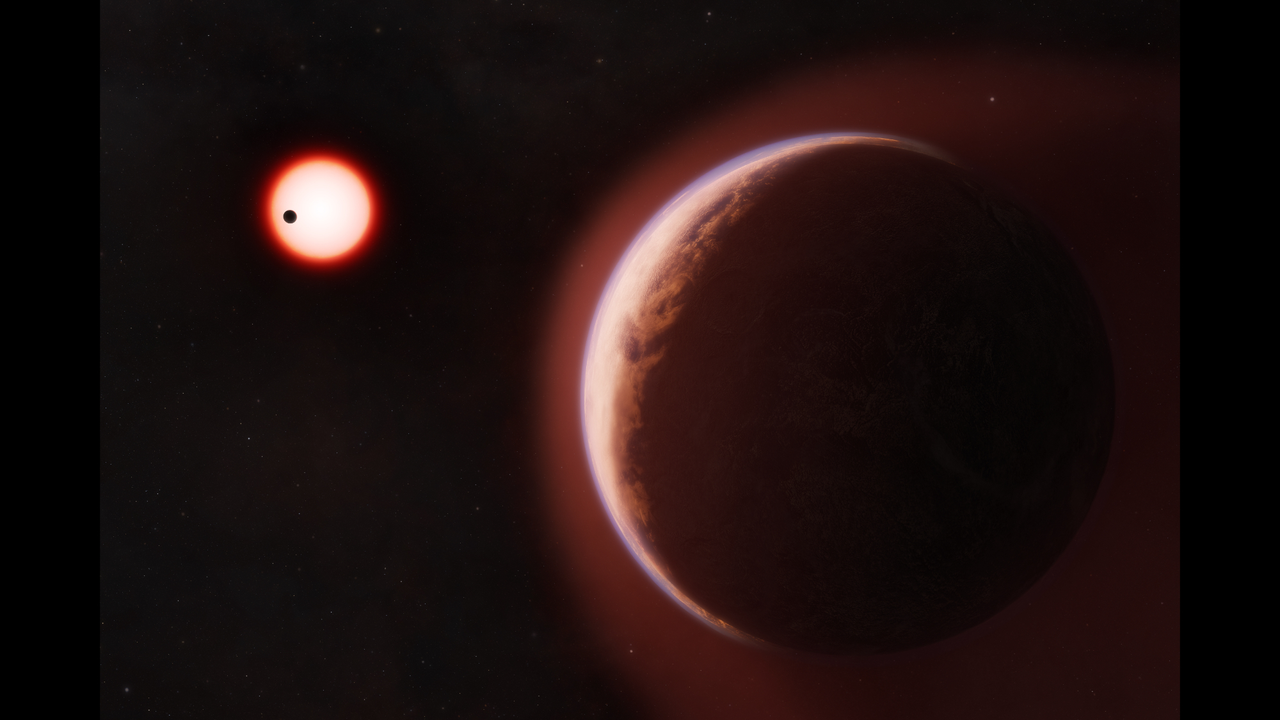
Scientists have for the first time directly detected an atmosphere around a rocky exoplanet in the habitable zone, a milestone that could bring us closer to finding life beyond Earth. The planet, LHS 1140 b, sits 48 light‑years away and orbits a red dwarf star, where conditions allow liquid water to potentially exist.
SpaceX stacks massive Starship rocket ahead of today's Flight 13 test launch (video)
Original Publication Date: 2026-07-16 17:07
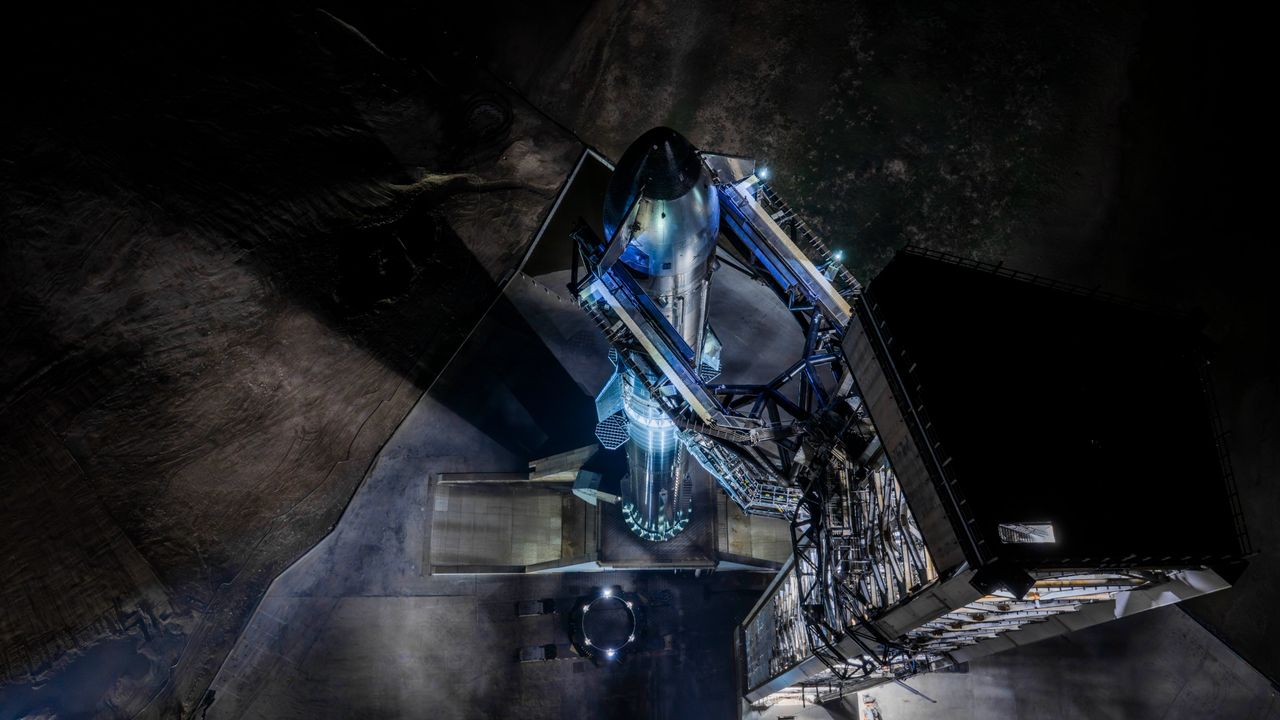
SpaceX has stacked its upgraded Starship V3 rocket and is set to launch its 13th test flight at 6:45 p.m. EDT on July 16 from Starbase in Texas. The test aims to fix glitches from the previous Flight 12, including steering and engine relight issues, while advancing the vehicle toward future crewed missions.
Stephen Hawking's famous 'leaky' black hole theory gets much-needed update
Original Publication Date: 2026-07-16 16:00
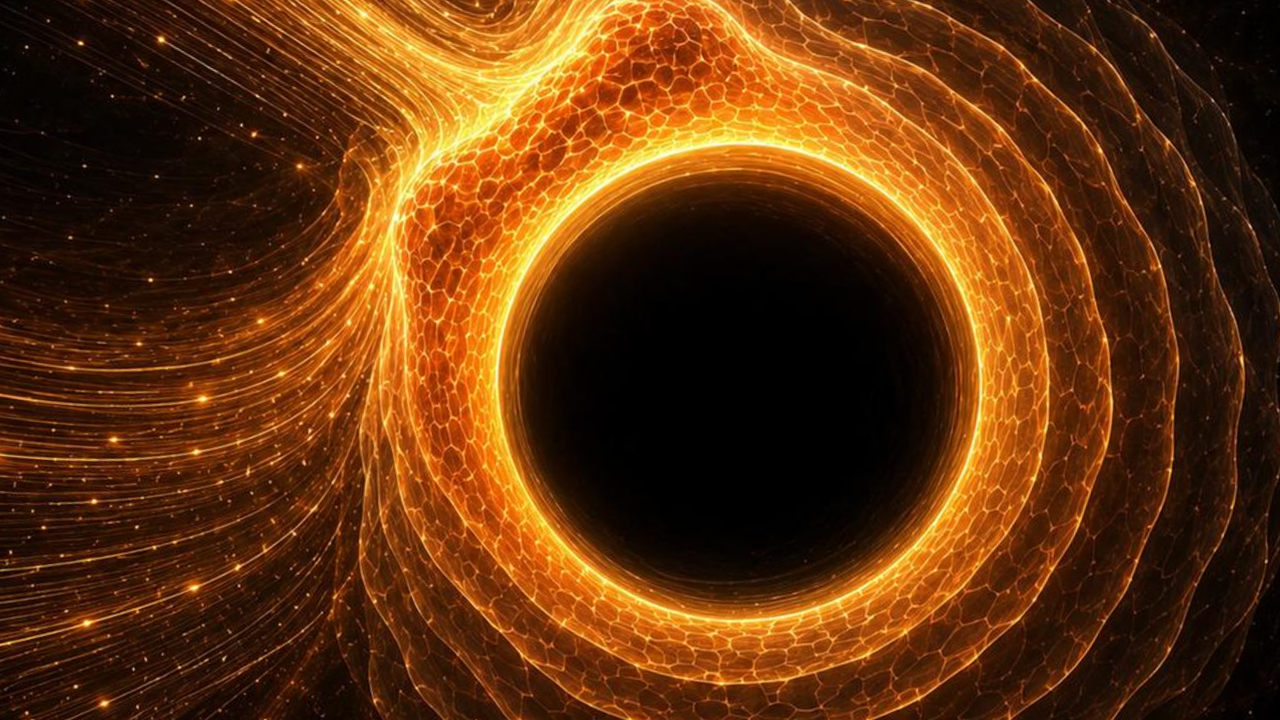
Scientists at Penn State have proposed a new way to describe how black holes leak energy, replacing Hawking’s equilibrium‑based theory with an entropy‑driven model similar to boiling water. The new approach accounts for black holes that grow, merge, and evaporate, offering a more realistic picture of their dynamic behavior. By linking entropy to spin and energy, the model could help predict black hole evolution from formation to explosive death. This update could reshape our understanding of black hole physics and guide future observations.
We've seen helium baked off a rocky exoplanet's atmosphere
Original Publication Date: 2026-07-16 18:00
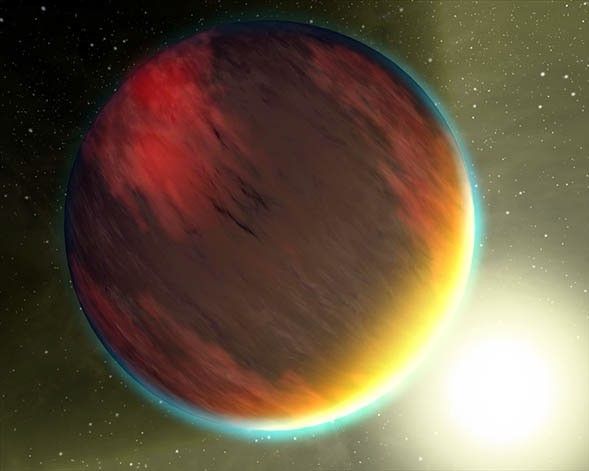
Most of the universe’s gas is hydrogen and helium, and early planetary atmospheres begin with the same mix. Over billions of years those primordial layers can be stripped or transformed, leaving Venus, Earth and Mars with second atmospheres after losing their hydrogen/helium envelopes. The escape of light gases depends on gravity, magnetic fields, stellar radiation and chemistry, making predictions for exoplanets notoriously difficult.
Could China and Russia really destroy Starlink? Only with a boomerang.
Original Publication Date: 2026-07-16 16:19
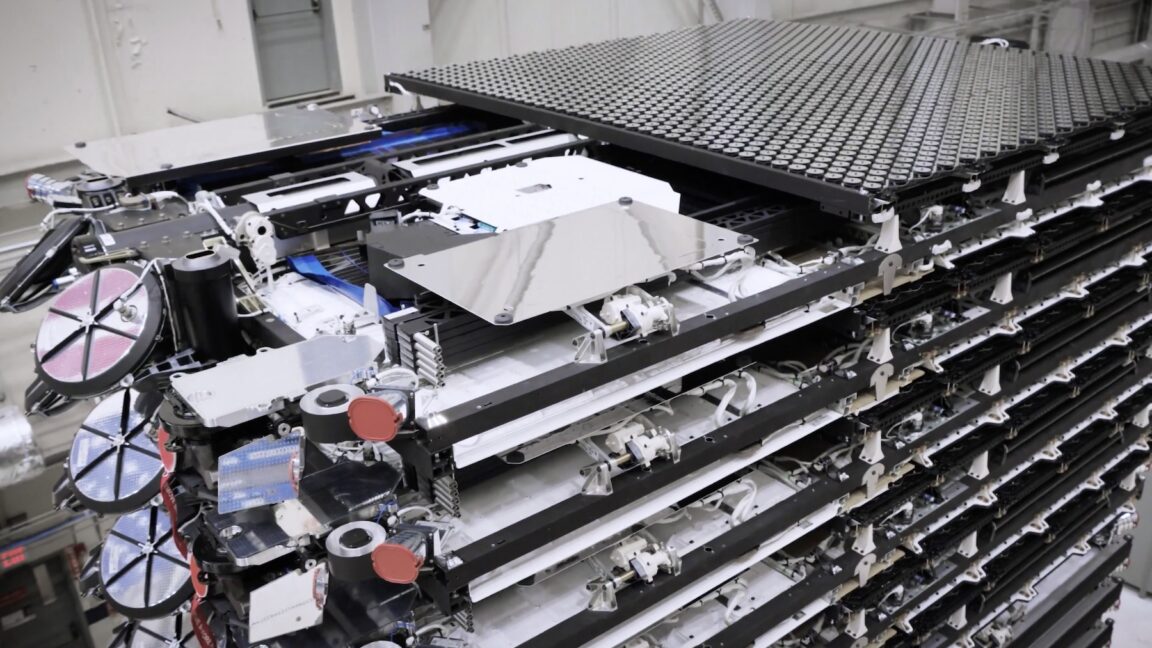
A joint investigation by The Insider, Der Spiegel and Le Monde has uncovered evidence that China and Russia are collaborating on a range of advanced military technologies, including integrated air and missile defense, autonomous swarm munitions, next‑generation armored vehicles and advanced aviation. The documents reveal a deeper partnership in space weapons than either country has publicly acknowledged, with a particular focus on developing countermeasures to SpaceX’s Starlink satellite broadband network. The revelations suggest a coordinated effort to undermine Starlink’s global connectivity and signal a new phase of Sino‑Russian military cooperation. This development raises significant concerns about the future of space security and international defense dynamics.