 Spotify
 Apple Podcasts
 Podcast Addict
 Overcast
 Podcast RSS
China becomes second country to recover orbital booster with Long March 10B
Original Publication Date: 2026-07-10 06:55
China successfully launched its Long March 10B rocket early Friday, and the first stage was recovered on the ground, marking a major milestone for the country’s reusable launch vehicle program. The recovery demonstrates China’s growing capability to recover orbital boosters, placing it second worldwide after the United States. This achievement is a significant step toward reducing launch costs and increasing launch cadence for China’s space ambitions.
Interior Department requests information on offshore launch options
Original Publication Date: 2026-07-09 23:20
The Interior Department has issued a request for information on offshore orbital launch concepts to help ease congestion at existing spaceports. It seeks proposals from industry and experts on viable offshore launch sites and methods. This initiative aims to expand launch capacity and reduce launch delays. The Department will review the submissions and incorporate them into its future spaceport strategy.
SDA TAP Lab Evolves Into BMC3I TAP Lab And In Partnership With Catalyst Campus Launches A New Multi-Phased Program To Accelerate Mission-Focused Technology Development
Original Publication Date: 2026-07-09 22:35
Catalyst Campus for Technology and Innovation (CCTI) and the BMC3I TAP Lab Colorado have launched a new multi‑phased initiative to deepen collaboration between commercial innovators and government agencies. The program builds on the evolution of the SDA TAP Lab into BMC3I TAP Lab, aiming to accelerate mission‑focused technology development. By bringing together industry partners, researchers, and federal stakeholders, the partnership seeks to streamline the path from concept to deployment. This effort underscores the growing emphasis on public‑private collaboration in advancing aerospace and space technology.
The Exploration Company establishes US entity to pursue government contracts
Original Publication Date: 2026-07-09 20:12
Germany’s Exploration Company has created a U.S. Subsidiary, TEC Federal, to compete for federal space programs and contracts. The new entity will allow the firm to bid on American government projects alongside domestic competitors. By establishing TEC Federal, the German company aims to broaden its footprint in the U.S. Aerospace market. This strategic move positions the firm to secure key government contracts.
Environmental groups urge FCC to pause orbital data center applications
Original Publication Date: 2026-07-09 19:39
Environmental and scientific groups are urging the FCC to pause processing orbital data center applications, citing concerns over the rapid expansion of space-based computing. They argue that the rush to deploy these facilities raises the stakes for broader megaconstellation oversight. The groups fear that unchecked growth could lead to increased space debris and regulatory gaps. They call for a more measured approach to ensure sustainable and responsible use of space.
SpaceX launches Falcon 9 rocket on record-breaking 36th flight
Original Publication Date: 2026-07-09 02:14
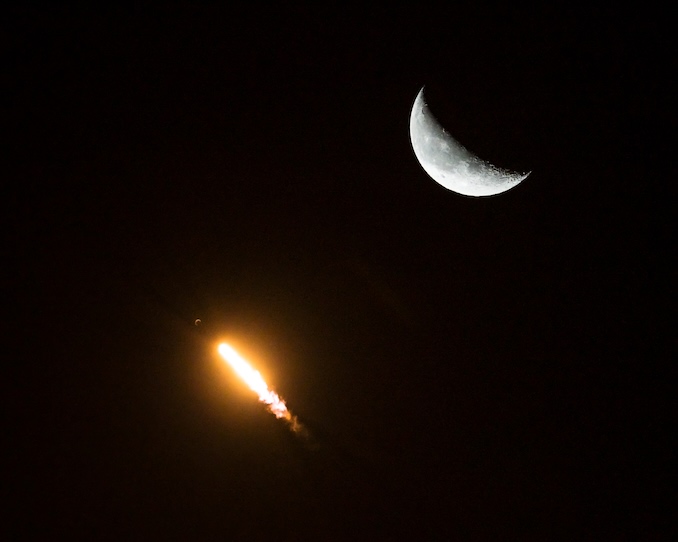
SpaceX launched its most‑flown Falcon 9 booster, B1067, for the 36th time on July 9 2026, adding 29 new Starlink satellites to a constellation that now exceeds 10,700 orbiting craft. The rocket lifted off from Cape Canaveral’s Space Launch Complex 40 at 5:25 a.m. EDT, following a north‑easterly trajectory before deploying the satellites into low Earth orbit. B1067 successfully landed on the drone ship “A Shortfall of Gravitas” about eight minutes after liftoff, marking the vessel’s 160th landing and the company’s 635th booster touchdown.
York Space Systems Finalizes $300 Million Acquisition of Satellite Terminal Provider ALL.SPACE
Original Publication Date: 2026-07-09 21:57
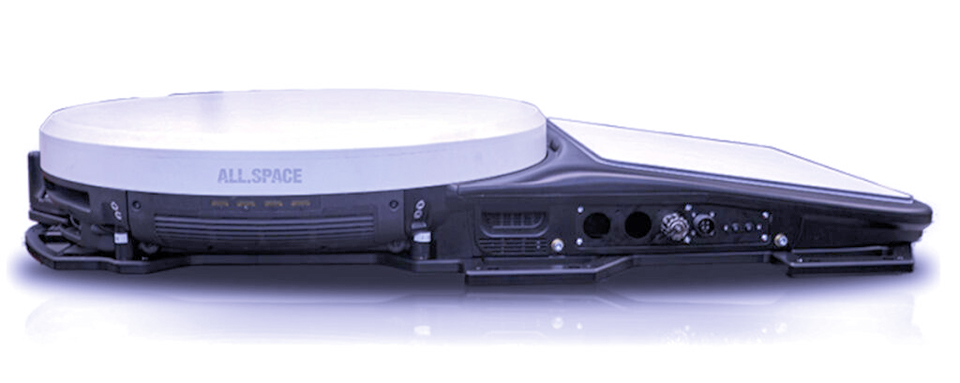
On July 8, 2026, York Space Systems announced it has closed its acquisition of satellite terminal and multi‑network connectivity provider ALL.SPACE. The deal expands York’s portfolio, adding ALL.SPACE’s advanced terminal technology and network services to its lineup.
NASA and ISISPACE Deploy GRITSS CubeSat to Advance Orbital Reference Frame Precision
Original Publication Date: 2026-07-09 19:00
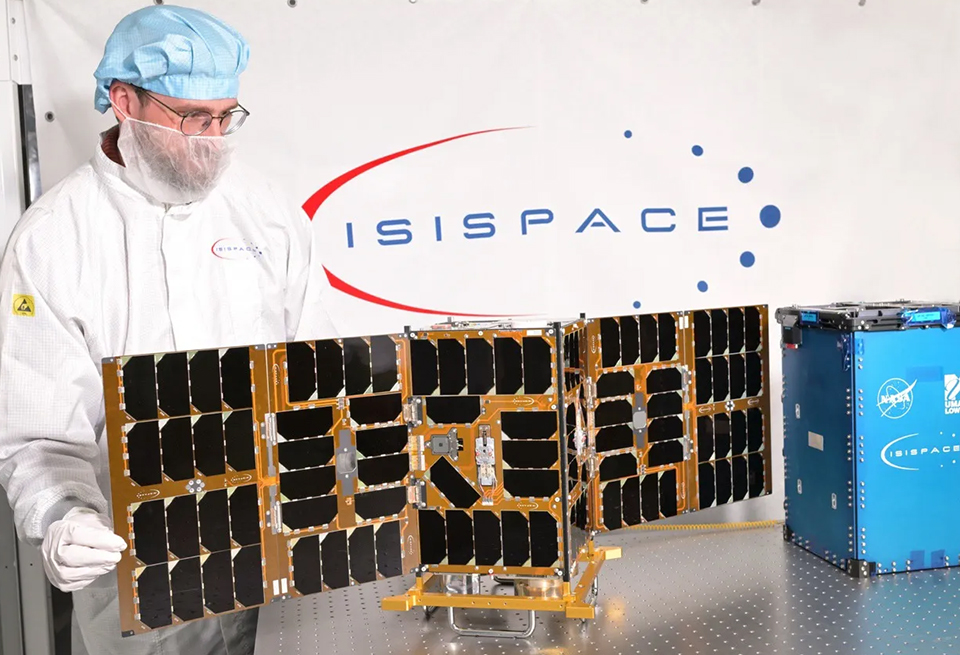
On July 7, 2026, NASA successfully launched the GRITSS technology‑demonstration spacecraft from Vandenberg Space Force Base into low‑Earth orbit. The GRITSS system is designed to provide precise geodetic reference signals for small satellites, testing its ability to transmit high‑accuracy position data. This mission marks a key step toward enabling more reliable satellite navigation and Earth‑observation capabilities. NASA officials say the demonstration will pave the way for future small‑satellite constellations to achieve centimeter‑level positioning accuracy.
Blue Origin Moves to Raise $10 Billion in First-Ever Outside Funding Round
Original Publication Date: 2026-07-09 18:48
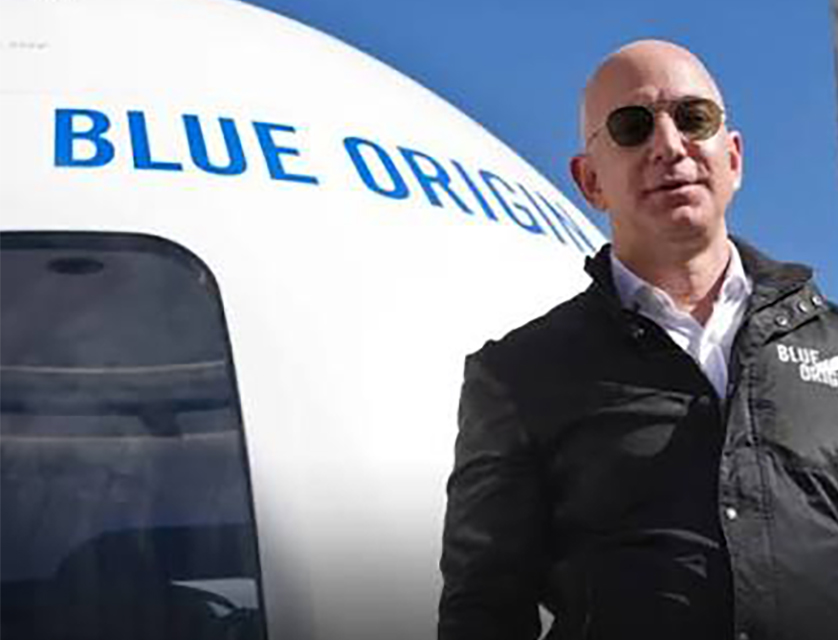
Blue Origin has stepped into the public capital markets for the first time, launching a private financing round that could raise up to $10 billion. The aerospace manufacturer plans to use the proceeds to fund its next‑generation rocket programs and expand its space‑exploration ambitions. Investors will receive equity stakes, marking a significant shift for the previously privately held company. This move signals Blue Origin’s growing confidence in competing with the larger players in the space industry.
EchoStar Governance Reshuffle as Capital Unit Dissolves Following Spectrum Sales
Original Publication Date: 2026-07-09 17:52

EchoStar Corporation announced that its corporate president and CEO, Hamid Akhavan, has stepped down from his leadership roles, marking an unexpected shift in the company’s executive tier. The announcement came during a press briefing in Englewood, Colorado, and the company said Akhavan will remain with the firm in a non‑executive capacity. EchoStar said it will appoint an interim CEO while it searches for a permanent replacement.
Pulse Space Secures $40 Million U.S. Space Force Contract for Laser-Based Power Beaming Technology
Original Publication Date: 2026-07-09 16:23

On Thursday, July 9, 2026, Pulse Space announced it had secured a $40 million technology development contract from the U.S. Space Force. The deal will fund the creation of new space‑hardware technologies to enhance the military’s capabilities in space. Pulse Space said the contract will accelerate innovation and support future missions. This marks a significant milestone for the company and the growing commercial space sector.
NASA Sets Coverage for Astronaut Anil Menon Launch to Space Station
Original Publication Date: 2026-07-09 22:09
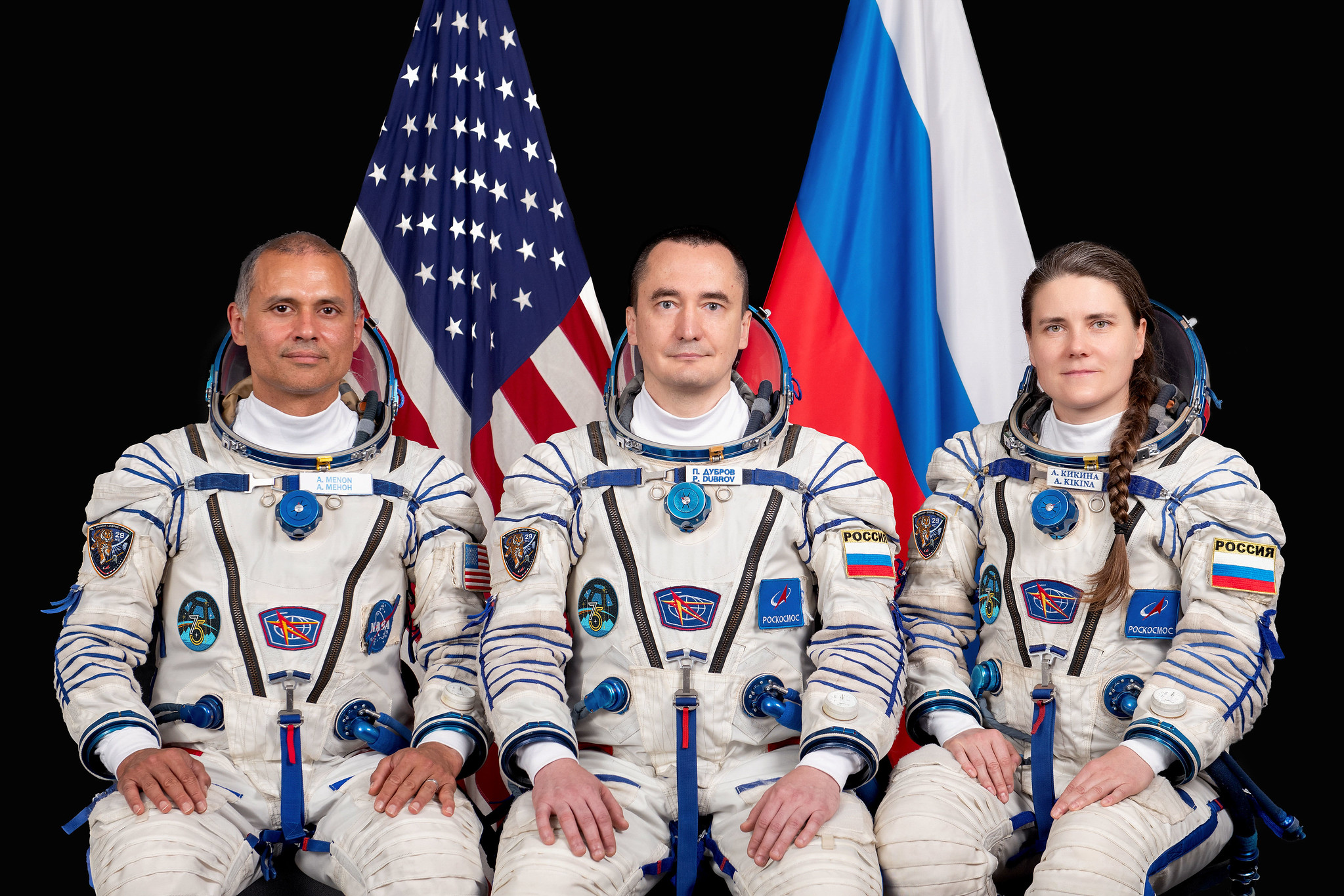
NASA astronaut Anil Menon will launch this Tuesday, July 14, aboard the Roscosmos Soyuz MS‑29 from Kazakhstan, joining cosmonauts Pyotr Dubrov and Anna Kikina to become part of the ISS Expedition 74/75 crew.
Principal Investigator and Quality Assessment Reports Evaluate Umbra Synthetic Aperture Radar Data
Original Publication Date: 2026-07-09 18:14
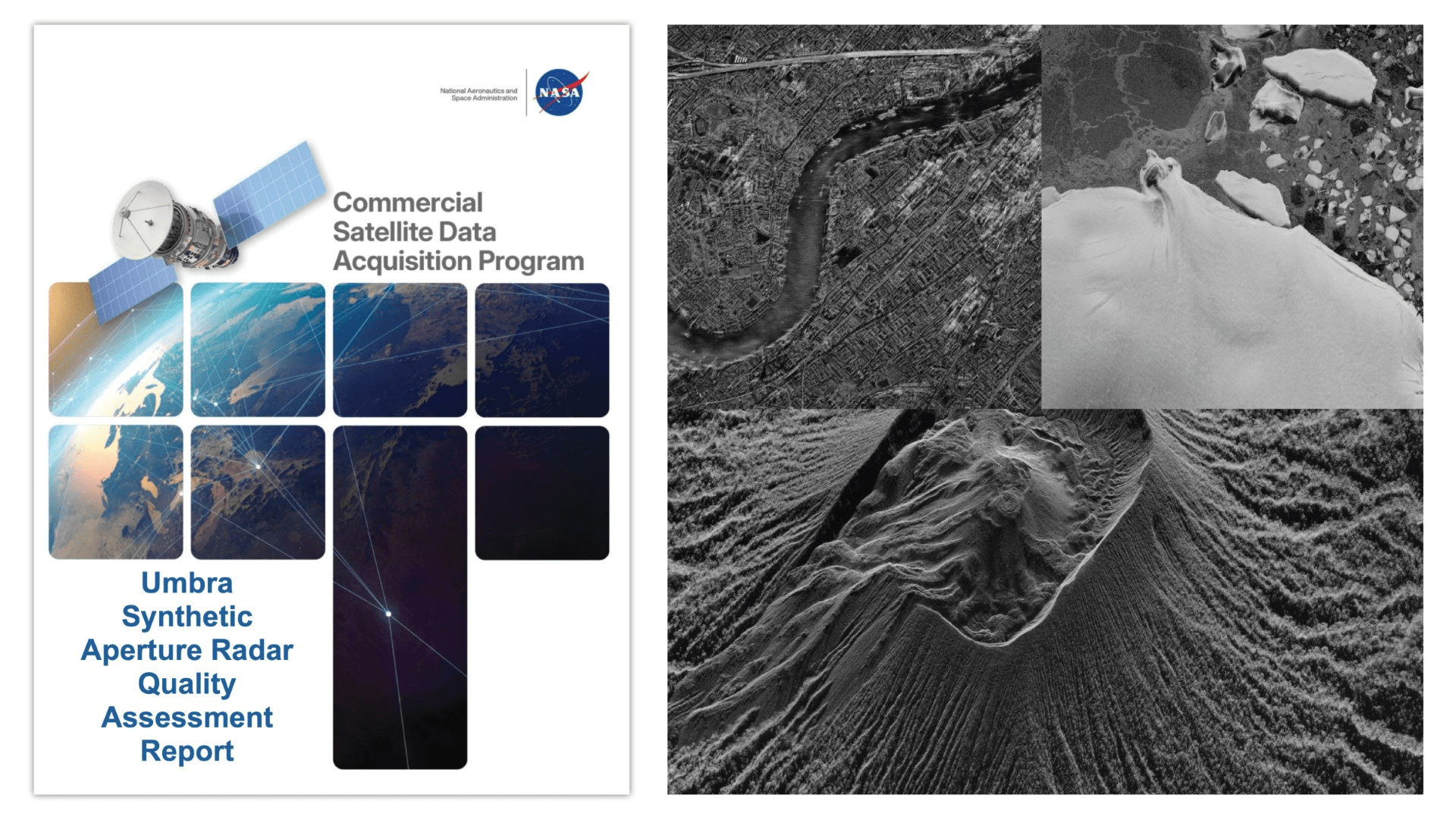
NASA’s Commercial Satellite Data Acquisition program has released two new reports evaluating the Umbra X‑band Synthetic Aperture Radar constellation. The Principal Investigator Evaluation Summary confirms that the high‑resolution, taskable SAR data can support Earth science research, but notes geolocation errors, limited software compatibility, and missing documentation. A separate Quality Assessment Report finds the spatial resolution meets specifications but that positioning accuracy falls short of expectations and radiometric performance lags behind well‑calibrated reference systems. These findings will guide NASA’s use of Umbra data for future Earth observation projects.
Curiosity Sees Martian Sulfur Up Close
Original Publication Date: 2026-07-09 16:33

NASA’s Curiosity rover has captured the first-ever close‑up image of sulfur crystals on Mars, a discovery made when the rover accidentally crushed a rock on May 30, 2024. Using its robotic arm, Curiosity photographed the fragments a few days later, revealing the crystals’ distinctive structure. Scientists believe the sulfur formed about 3 billion years ago when deep‑Earth‑like magma released fluids that settled on the Martian surface. This finding provides new clues about the planet’s volcanic history.
NATO Allies Plan to Stitch Together Sovereign Space Fleets
Original Publication Date: 2026-07-10 05:10

Eight NATO allies—Denmark, Canada, Finland, Germany, Norway, Sweden, Turkey, and the Netherlands—have announced plans to merge their sovereign defense satellite constellations into a single network called HALO. Each country will keep ownership and control of its own satellites while ensuring full interoperability, creating a de‑facto mega‑constellation that can deliver high‑speed communications, intelligence, and missile‑tracking capabilities. The initiative promises to overcome the cost, time, and coverage limits of individual national fleets, offering a unique path to cooperation without sacrificing sovereignty. This collaborative effort could set a new standard for defense space operations across the alliance.
Blue Origin Seeks $10B at $130B Valuation, Reporting Shows
Original Publication Date: 2026-07-09 12:41
Blue Origin is opening its doors to outside investors for the first time, aiming to raise $10 billion at a $130 billion valuation, with $2 billion from Jeff Bezos, $4 billion from Coatue Management and $4 billion from other institutional backers. The move comes after a spring explosion of its New Glenn rocket, yet the company plans to return to flight by year‑end thanks to reengineered launch infrastructure in Cape Canaveral. In addition to its launch business, Blue Origin is expanding into satellite broadband with TeraWave, moon‑related contracts from NASA, and new spacecraft projects like Blue Ring and Orbital Reef. This funding push signals Blue Origin’s ambition to rival SpaceX’s scale and potentially surpass Amazon’s valuation in the long run.
Auxilium Demos Tech To Enable Sustainable Bioprinting in Orbit
Original Publication Date: 2026-07-09 12:00
Auxilium Biotechnologies has just 3‑D printed liver, kidney, cartilage and nerve‑repair tissues aboard the ISS, marking the first time such organs have been manufactured in space. Their AMP‑1 printer uses interchangeable cartridges, proving a single machine can produce a variety of tissues and opening the door to a scalable in‑orbit bio‑manufacturing industry. In zero gravity the cells form correctly and mature faster, giving a clear advantage over Earth‑based production. The company envisions a future where astronauts can print custom medical treatments on demand, while the technology eventually supports patient care on Earth after regulatory approval.
Making history! China lands rocket during an orbital launch for 1st time ever (video)
Original Publication Date: 2026-07-10 06:55
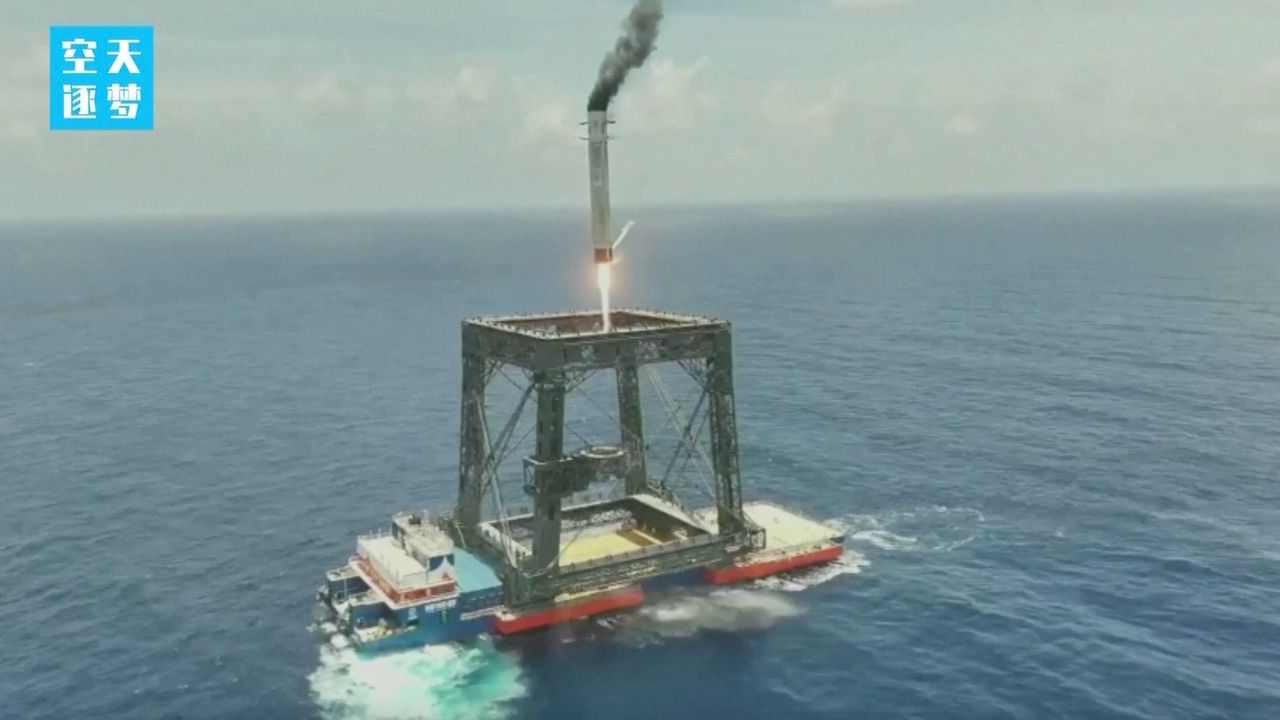
China has landed a launch vehicle for the first time, with the Long March 10B’s first stage touching down in a net on a sea‑based platform during its maiden flight. The successful recovery marks the country’s first controlled, network‑based return of a rocket, a milestone that could slash future launch costs. Officials say the booster will be refly by year‑end, aiming to rival SpaceX’s frequent reusable landings. The mission also delivered a satellite into orbit, completing a full flight success.
Wally Funk, trailblazing pilot and astronaut, passes away at 87
Original Publication Date: 2026-07-09 22:00

Wally Funk, the pioneering aviator who flew to space at 82, passed away at 87. A former Mercury 13 member, she became the oldest person and oldest woman to reach space aboard Blue Origin’s New Shepard in 2021. Throughout her career she broke barriers—as the first female civilian flight instructor at a U.S. Military base, the NTSB’s first female air safety investigator, and a champion for women in aviation. Her legacy will inspire future explorers, as Blue Origin noted, “Fly Wally, Fly.
Scientists have discovered the oldest quasar ever seen, and it shines with the light of a trillion suns
Original Publication Date: 2026-07-09 21:00
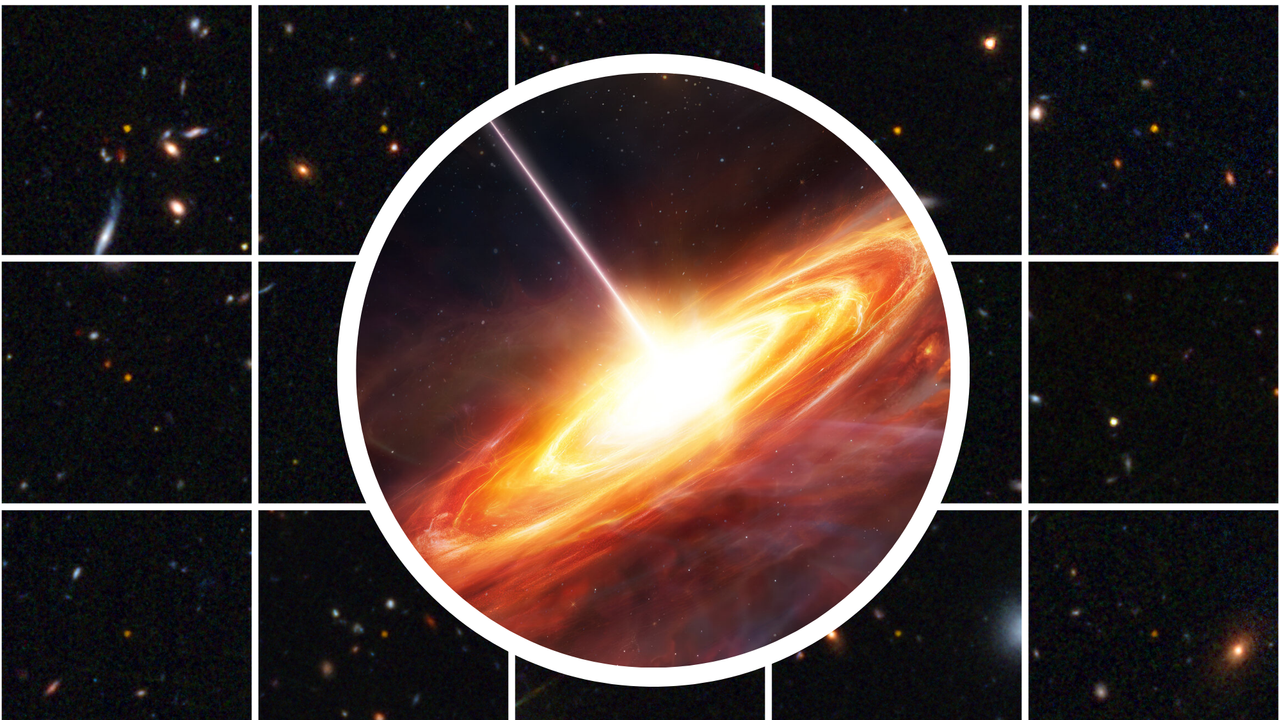
Scientists using ESA's Euclid telescope have uncovered 31 ancient quasars, including the most distant ever seen, shining with the light of a trillion suns just 670 million years after the Big Bang. These supermassive black holes, glowing brighter than their host galaxies, provide a rare glimpse into the epoch of reionization when the universe’s dark ages ended. Euclid’s wide survey, covering a third of the sky, has more than doubled the known population of such primordial quasars, offering new clues to how black holes grew so rapidly in the universe’s infancy. The discovery, published in Astronomy & Astrophysics, marks a major step toward understanding the early cosmos and the mysteries of dark matter and dark energy.
SpaceX wants to launch 100,000 Starlink satellites to orbit
Original Publication Date: 2026-07-09 19:28
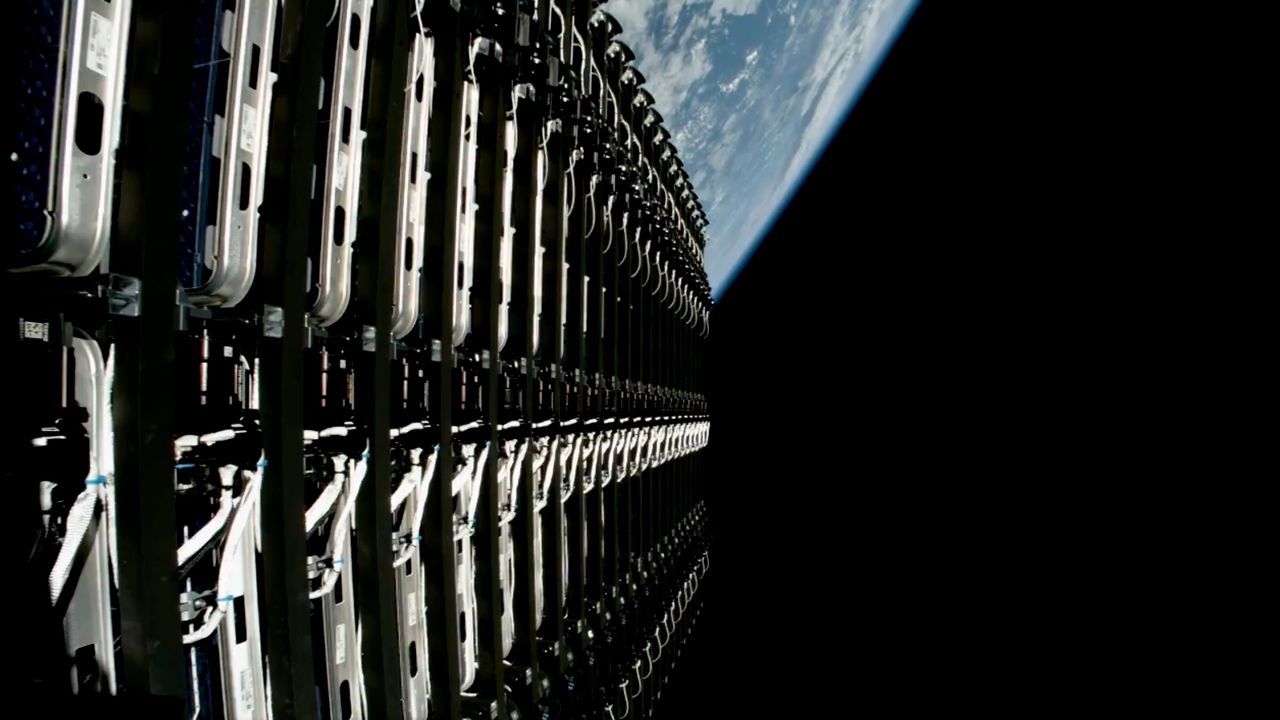
SpaceX has filed with the FCC to launch a 100,000‑satellite Gen3 Starlink constellation, each weighing 4,400 to 5,500 pounds and far larger than the current V2 Mini units. The company plans to deploy these massive satellites on its Starship rocket, expanding its existing fleet of about 10,800 spacecraft in low‑Earth orbit.
Payloads used to dictate the terms of launch. That's finally changing.
Original Publication Date: 2026-07-09 11:00
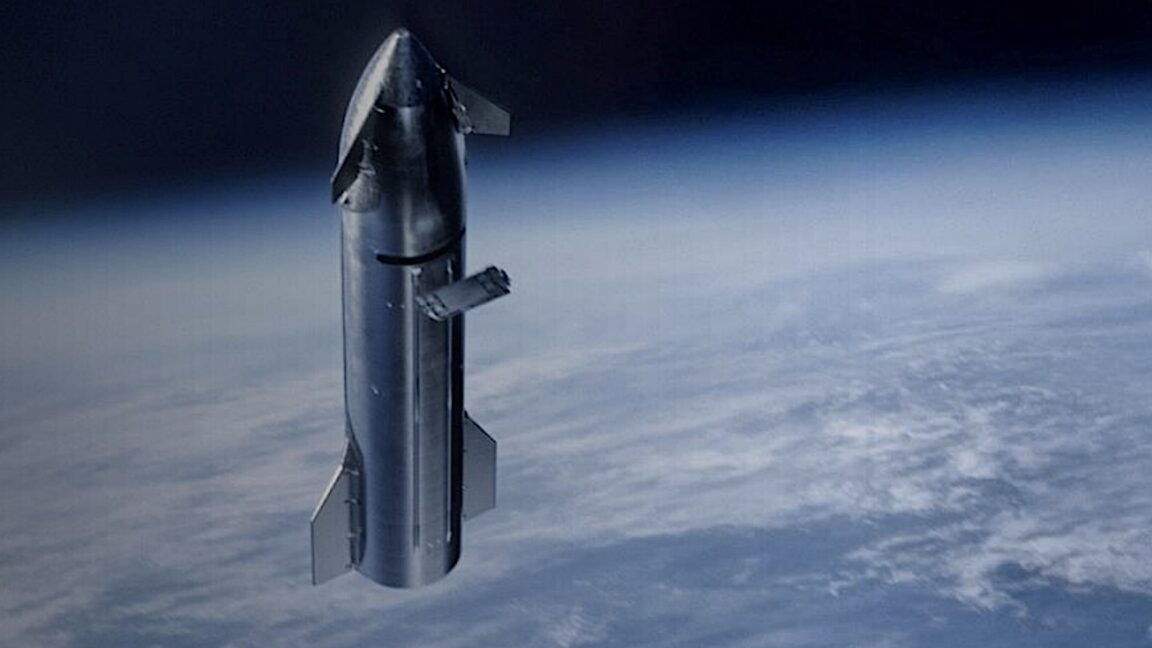
SpaceX's Starship, capable of carrying more than 100 metric tons to low‑Earth orbit, is reshaping the space industry, prompting NASA, the U.S. Military, and satellite manufacturers to explore its use for lunar missions, deep‑space cargo, and massive telescope launches. Though still experimental and far from confirming Elon Musk's boldest claims, the rocket’s refueling capability could enable payloads to higher orbits, the Moon, and Mars. Competitors, notably China, are also pursuing their own heavy‑lift vehicles in response. The growing interest signals a new era of high‑capacity launch vehicles that could transform both commercial and defense space operations.