 Spotify
 Apple Podcasts
 Podcast Addict
 Overcast
 Podcast RSS
Pegasus launches Swift reboost mission
Original Publication Date: 2026-07-03 20:55
A Northrop Grumman Pegasus XL rocket launched from a carrier aircraft on July 3, deploying the 425‑kilogram Link spacecraft into low Earth orbit after three days of weather and technical delays. Link, built under a $30 million NASA contract, will rendezvous with the aging Swift gamma‑ray observatory and use its robotic arms and ion engines to raise Swift’s orbit from about 360 km to 550‑600 km.
Chinese satellite manufacturer Hongqing raises $191 million
Original Publication Date: 2026-07-03 13:10
Hongqing Technology, the satellite manufacturing arm of launch firm Landspace, has closed a record‑breaking single‑round investment of $191 million. The funding positions the company among the largest deals for a Chinese commercial satellite maker. The capital will support expansion of its satellite production capabilities. The deal underscores growing international interest in China’s commercial space industry.
Starship in Florida pushing for launch this year
Original Publication Date: 2026-07-03 21:26

SpaceX is tightening the timeline for Starship launches from Cape Canaveral, with significant progress at LC‑39A and the new SLC‑37A pad. The Gigabay at Roberts Road, begun in March 2025, now has finished structural steel and nearly completed cladding, while new hangars and work stands are rising to support booster handling. Upgrades to LC‑39A’s water‑deluge system—including extra gas generators and drainage dips—are underway, and recent tests of the launch mount and chopsticks confirm the pad’s readiness.
Inside the Deepening Ties Between Europe and the Middle East
Original Publication Date: 2026-07-03 05:46
Latitude has secured a launch agreement with Oman’s Etlaq Spaceport, enabling its rocket to debut from Omani shores in late 2027, a move driven by cost and geographic advantages rather than a push for European launch sovereignty. The deal highlights a growing trend of European space firms partnering with Middle Eastern operators to tap new markets, capital, and rapid deployment capabilities. Examples include Orbitworks’ U.S.–UAE joint venture that blends European expertise with American components, and UAE’s Space42 forging multi‑regional collaborations to build satellite constellations and manufacturing facilities. These partnerships underscore that Europe’s space ambitions can thrive through shared, mutually beneficial alliances rather than isolation.
Could humans someday explore Saturn's moon Titan, or will humanoid robots do it for us?
Original Publication Date: 2026-07-03 18:00

The Humans to Titan Summit in Boulder on June 11‑12 brought together scientists and engineers to debate whether the next giant leap in space exploration will be human astronauts or AI‑powered robots heading to Saturn’s moon Titan. Pascal Lee of the Mars Institute cautioned that a crewed Titan mission is still decades away, while noting that advanced humanoid robots—such as China’s Walker S2, which can swap its own battery—could lay the groundwork first. He highlighted the rapid rise of general‑intelligence AI, which could enable robots to perform human‑like tasks without the biological risks or costs of sending people. Lee envisions Titan as the logical step beyond Mars, potentially serving as a robotic hub that could one day host human explorers on a distant, methane‑laden world.
1 private spacecraft intercepts another on Space Force's groundbreaking 'Victus Haze' mission
Original Publication Date: 2026-07-03 16:00
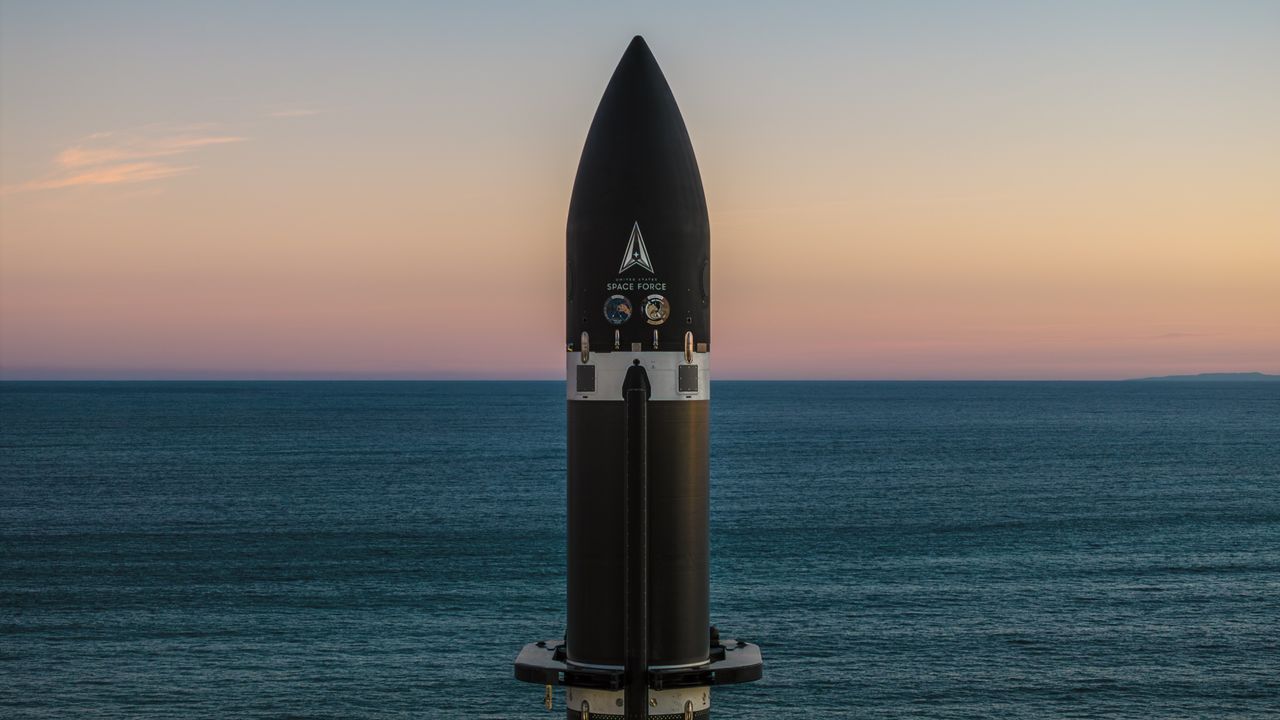
On June 19, 2026 the U.S. Space Force completed its first tactical intercept of an orbital target in the Victus Haze mission, pitting the Jackal‑0004 satellite against Rocket Lab’s Puma.
Space science has come a long way since July 4, 1776. Here's a look back at the saga
Original Publication Date: 2026-07-03 14:54

America’s 250th birthday celebrates a 250‑year journey from Newton’s laws to modern astronomy, a path paved by discoveries like Jupiter’s moons and the realization that Earth orbits the Sun.
Infant stars celebrate their independence with cosmic fireworks| Space photo of the day for July 3, 2026
Original Publication Date: 2026-07-03 14:00

The James Webb Space Telescope has captured a breathtaking view of the FS Tau star‑forming region, revealing dozens of infant protostars igniting their own cosmic fireworks as they break free from their natal cloud. These young stars, located about 450 light‑years away, are still gathering material in episodic bursts that shoot out powerful jets, carving blue ridges of shocked gas into the surrounding dust. NASA released the image to celebrate the 250th anniversary of the United States, drawing a parallel between the birth of a nation and the birth of stars. The new infrared data give astronomers unprecedented detail on how low‑mass stars influence their environment during their formative years.
America at 500: Where will we be in space in 2276?
Original Publication Date: 2026-07-03 10:00
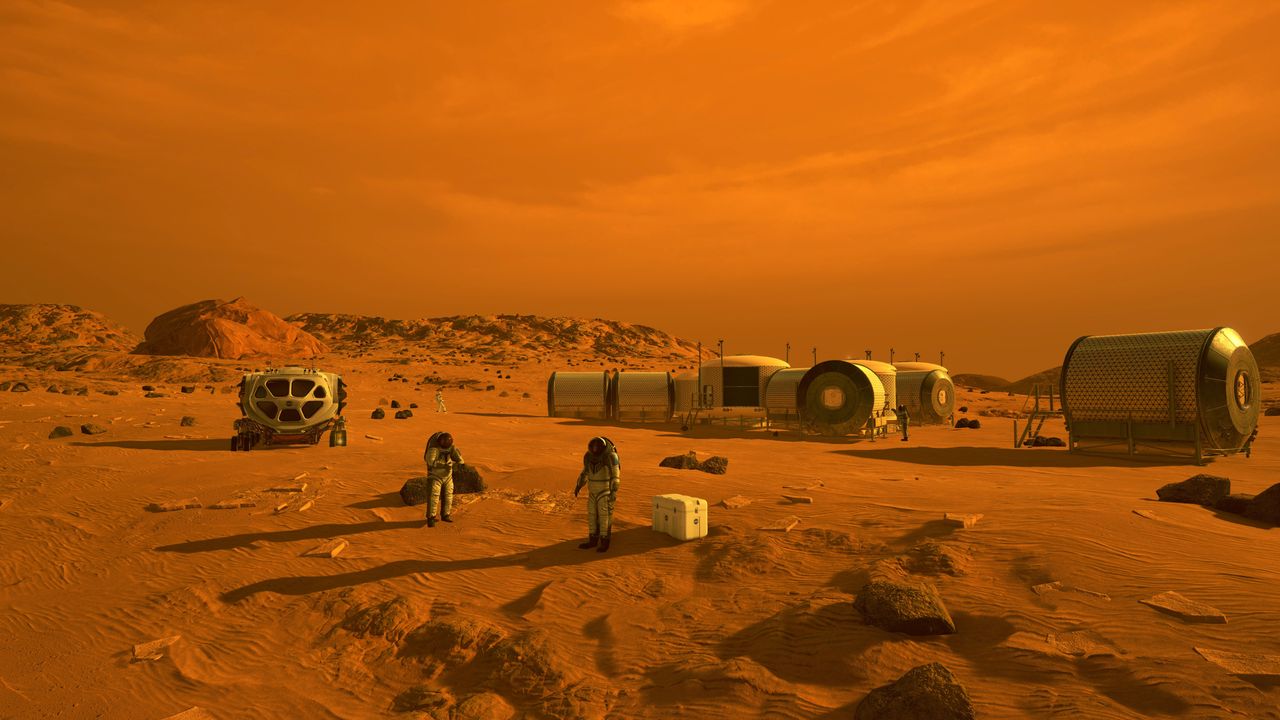
The United States has already made remarkable strides in space, landing astronauts on the Moon, operating the International Space Station, and sending robotic probes across the solar system. Experts predict that by 2276, an off‑Earth economy will thrive on satellite services, space tourism, in‑space manufacturing, and asteroid mining. Companies such as Varda Space are producing pharmaceuticals in microgravity, while AstroForge and TransAstra are exploring asteroid resources for water, fuel, and precious metals. As robotics and AI evolve, humanity may merge with machines and rely on asteroid‑derived propellant depots to propel deeper exploration, shaping the future of American space ambitions.
Rocket Report: Indian startup nears first launch; SpaceX's millenary milestone
Original Publication Date: 2026-07-03 13:55
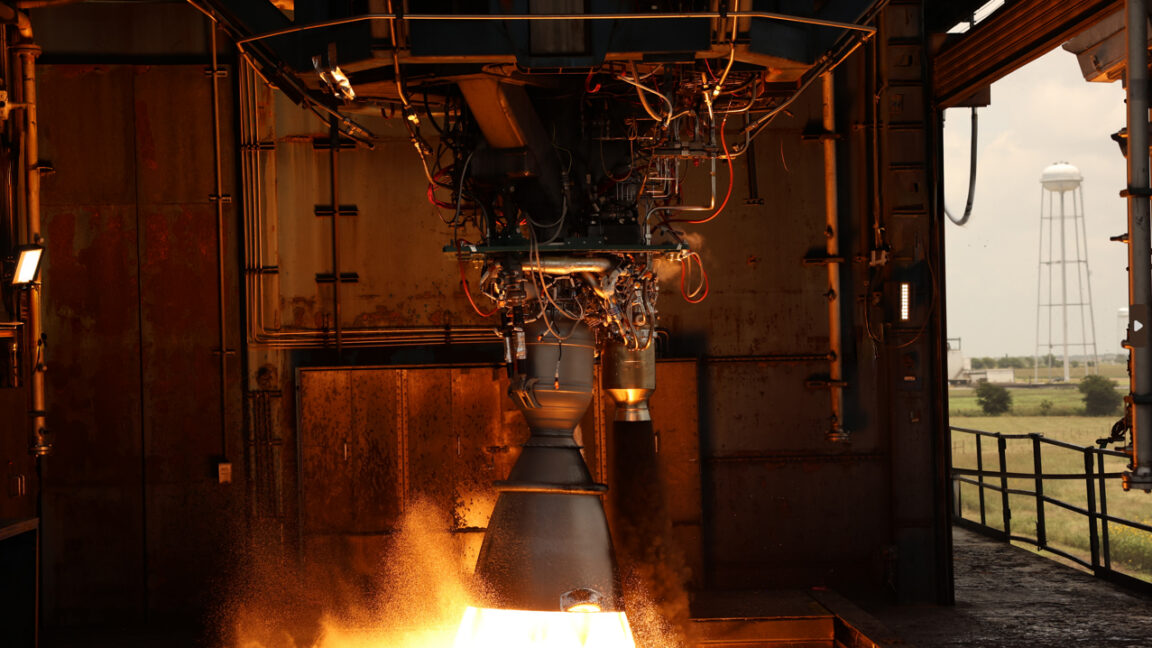
Rocket Report's ninth edition reviews the 20 most anticipated 2026 launches, noting that only NASA's Artemis II flew in April and many events have slipped into 2027, with the Roman Space Telescope still on schedule. The report also highlights the Swift Boost Mission, a commercial effort that finally reached orbit after two weather‑related aborts and a launch‑vehicle glitch.