 Spotify
 Apple Podcasts
 Podcast Addict
 Overcast
 Podcast RSS
Starliner investigation identifies flawed NASA decision making
Original Publication Date: 2026-02-19 21:47
NASA has declared the 2024 Starliner crewed test flight a Type A mishap, the agency’s most serious incident, after an independent review blamed decision‑making and leadership failures more than hardware faults. The mission, which suffered thruster failures on its approach to the ISS, forced the uncrewed return of the spacecraft while the two astronauts stayed aboard the station for over eight months.
Creating new demand in the nascent orbital economy
Original Publication Date: 2026-02-19 15:45
In the latest episode of Space Minds, SpaceNews host David Ariosto sits down with Matt Kuta, president and co‑founder of Voyager Technologies, to discuss the company’s push into commercial low‑Earth orbit. Kuta outlines plans for a commercial space station, a rapidly expanding military and missile‑defense arm, and the responsible use of AI in space—from weather mapping to potential robotic conflicts. The conversation highlights Voyager’s ambitions to partner with research and industry players while balancing technological innovation with ethical considerations. Space Minds airs every Thursday on SpaceNews.com, YouTube, Spotify and Apple, bringing listeners front‑row access to the future of space.
EarthDaily in Orbit: From First Launch to Commercial Operations
Original Publication Date: 2026-02-19 14:09
The EarthDaily Constellation will add six more satellites in May, with additional launches scheduled later this year. These moves are paving the way for the constellation to enter full commercial operations by summer 2026, delivering daily, consistent global coverage. SpaceNews reports that the expanded fleet will provide reliable Earth‑observation data to users worldwide. The launch schedule highlights the growing demand for high‑frequency satellite imaging services.
Golden Dome will fail without software-defined warfare
Original Publication Date: 2026-02-19 14:00
The United States cannot rely solely on hardware to defend against next‑generation missile and aerial threats. While sensors, radars, and interceptors are essential, they are no longer sufficient on their own. The Golden Dome system’s effectiveness hinges on advanced software that can integrate, test, adapt, and fight in real time. Without a software‑defined warfare approach, Golden Dome will fail to protect the homeland.
Moon mission fueling test concludes with no major problems
Original Publication Date: 2026-02-20 04:11
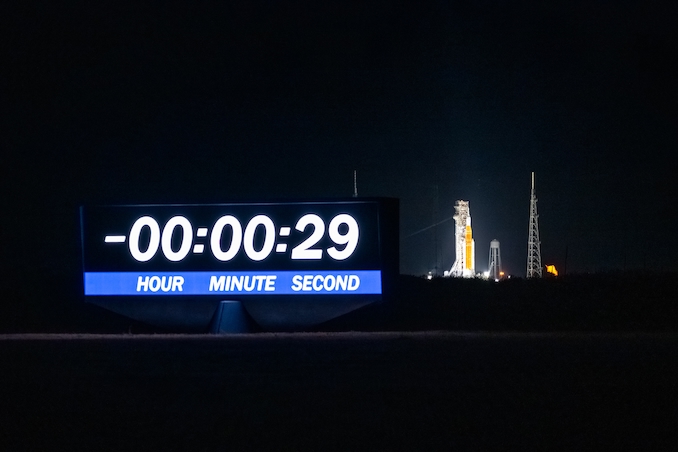
NASA’s wet dress rehearsal at Kennedy Space Center on Feb. 19 filled the SLS rocket’s first and second stages with 750,000 gallons of supercold propellants, and the countdown clock ran to T‑
Independent report sharply criticizes NASA management, Boeing for troubled Starliner flight
Original Publication Date: 2026-02-19 23:24
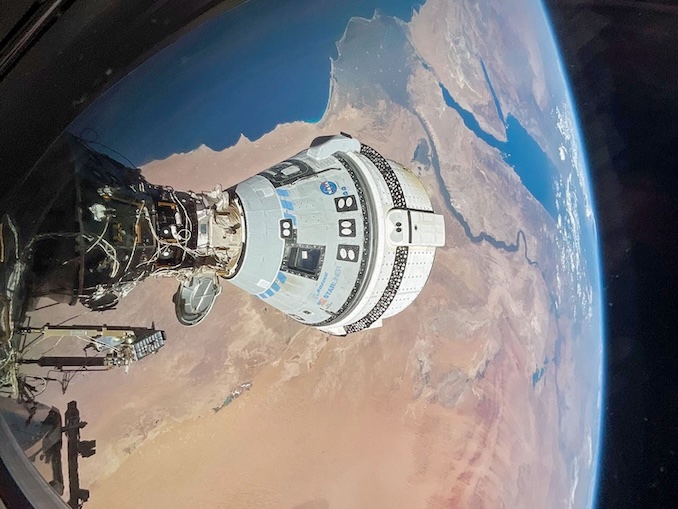
NASA’s independent review found Boeing’s first crewed Starliner flight was a potentially life‑threatening mishap, citing technical glitches and management failures that forced astronauts to stay in orbit for 286 days before returning on a SpaceX Dragon.
SpaceX launches second Falcon 9 rocket to return to a landing in The Bahamas
Original Publication Date: 2026-02-19 23:11
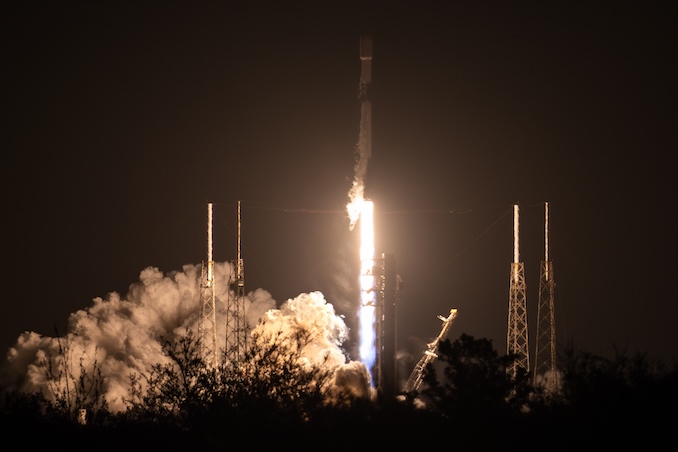
SpaceX’s Falcon 9 booster B1077 lifted off from Cape Canaveral on Feb. 19, 2026, carrying 29 Starlink satellites into orbit for the company’s 10‑36 mission. The launch, which received a >95 % favorable weather forecast, saw the booster return to Earth after less than eight and a half minutes, landing on the drone ship “Just Read the Instructions” off the coast of Exuma in the Bahamas. This marks the second time a Falcon 9 has landed in Bahamian waters, the 150th landing on that vessel and the 573rd booster landing for SpaceX to date. The successful return follows last year’s first Bahamas landing and demonstrates SpaceX’s growing proficiency in rapid, reusable launch operations.
MDA Space Establishes 49North to Secure Multi-Billion Canadian Defense Pipeline
Original Publication Date: 2026-02-19 21:25
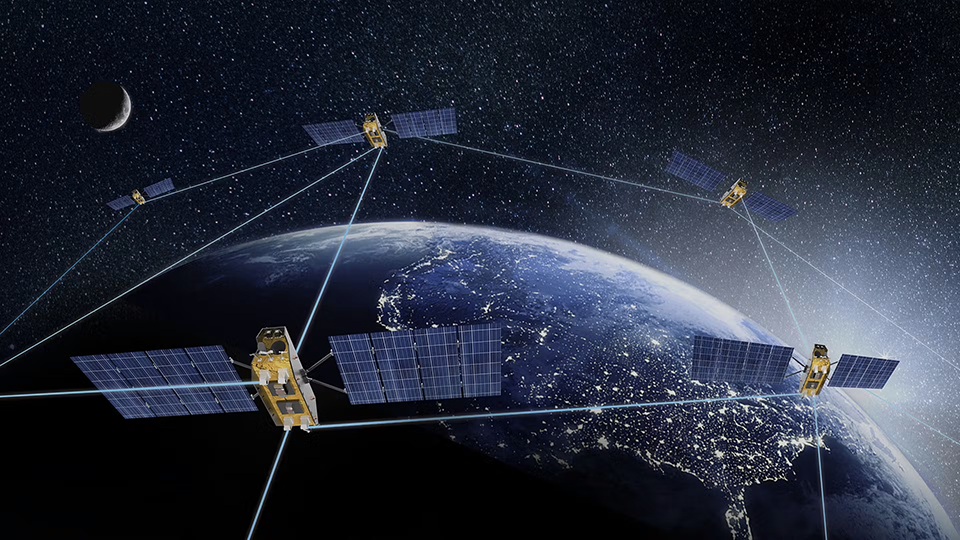
MDA Space Ltd. Has unveiled 49North, a wholly‑owned Ottawa‑based subsidiary aimed at capturing a share of Canada’s $180 billion defence procurement under the new Defence Industrial Strategy.
Orbital Infrastructure: The Engineering Hurdles of Upper Stage Reusability
Original Publication Date: 2026-02-19 21:14
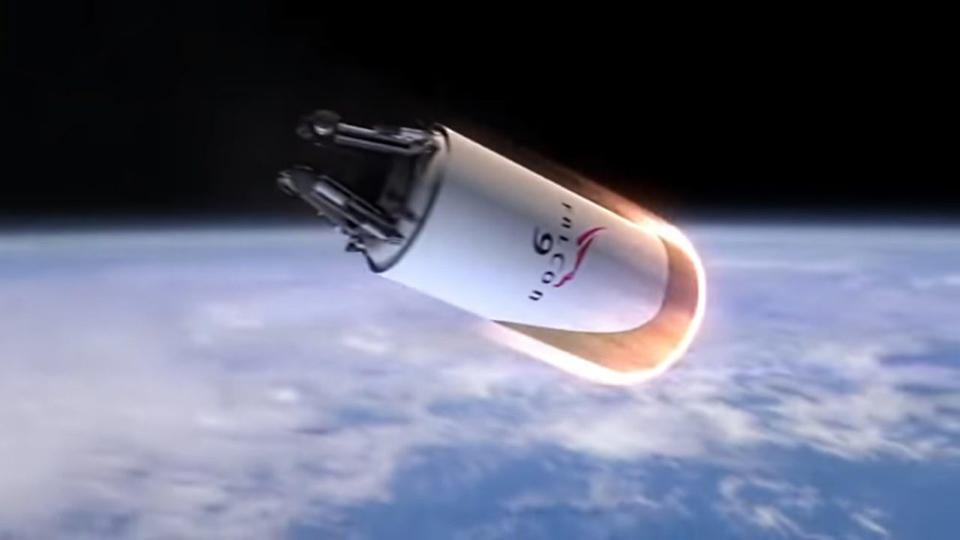
Space policy analyst Robert Oler released a technical analysis on Feb. 16, 2026, outlining why fully reusable launch vehicles haven’t yet become industry standard, citing the heavy mass penalties and thermal challenges of returning upper stages.
Geopolitical Analysis: China Challenges SpaceX Dominance with Massive LEO Governance Strategy
Original Publication Date: 2026-02-19 20:48

China is shifting from a technical catch‑up to a “regulatory flooding” strategy in Low Earth Orbit, filing for roughly 203,000 satellites in December 2025 and using EPFD limits to reserve interference space, a move that threatens SpaceX’s Starlink and signals a new sovereign‑commercial nexus. The East Asia Forum’s analysis shows China’s state‑supported, distributed manufacturing model contrasts with SpaceX’s vertical integration, allowing Beijing to marshal massive resources once a constellation becomes a national priority. This surge in filings forces Western operators to prove their hardware will not interfere with China’s “ghost constellations,” potentially throttling their network performance and extending deployment timelines. If China can launch and operate these mega‑constellations within the ITU’s seven‑year window, it could reshape orbital governance and shift the balance of power in LEO by 2032.
NBN Co Unveils LEO Wholesale Pricing to Protect Market Share from Starlink
Original Publication Date: 2026-02-19 20:12
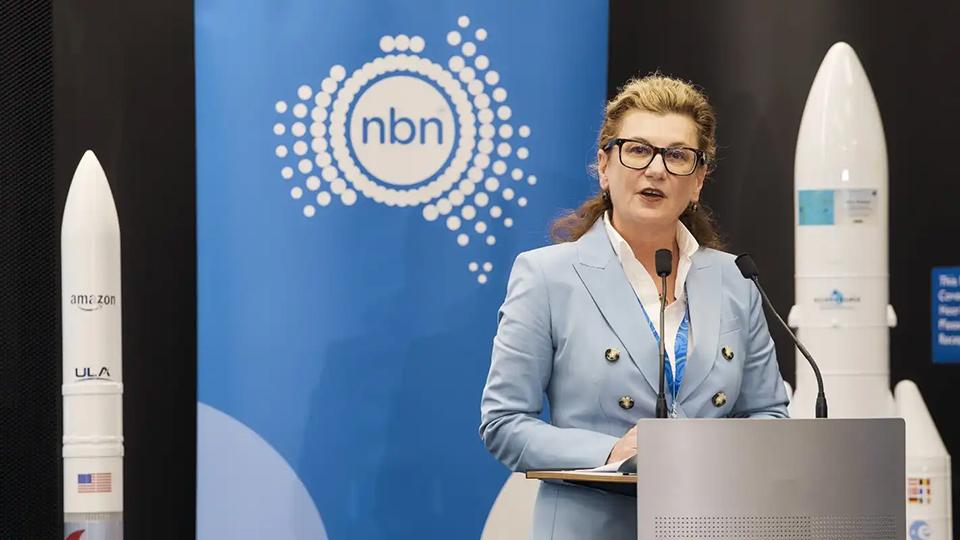
NBN Co has launched a consultation on wholesale pricing for a new Low Earth Orbit satellite service powered by Amazon Leo, aiming to lock in regional customers before the older Sky Muster fleet is retired. The proposed 50/10 Mbps LEO plan would be sold to retailers at $35.84 per month, matching or beating current Sky Muster Plus rates, and eligible customers could receive free Amazon Leo equipment. The partnership positions NBN Co to compete directly with SpaceX’s Starlink, offering lower latency and a “city‑fast” experience to roughly 300,000 remote Australians.
Ovzon Reports Record 2025 Results Driven by NATO and Defense Breakthroughs
Original Publication Date: 2026-02-19 15:20
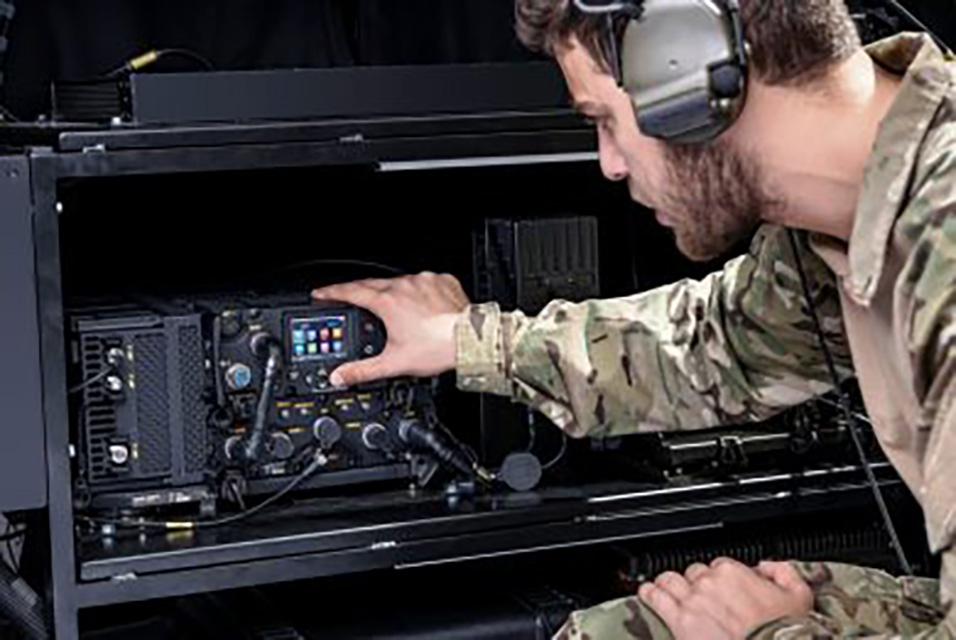
Stockholm‑based Ovzon AB reported a record‑breaking 2025, with EBITDA soaring to over 290 MSEK and a Q4 margin of 42% thanks to the full‑scale launch of its Ovzon 3 satellite and multi‑year defense contracts. The company secured a 1.04 billion‑SEK order from the Swedish Defence Materiel Administration, a 58 MSEK supplementary order in Q4, and a 240 MSEK NATO deal, boosting its order book beyond 1 billion SEK. A strategic refinancing in Q4 cut net debt and improved cash flow, positioning Ovzon for future satellite expansion.
Winds Whip Up Fires and Dust on the Southern Plains
Original Publication Date: 2026-02-20 05:01
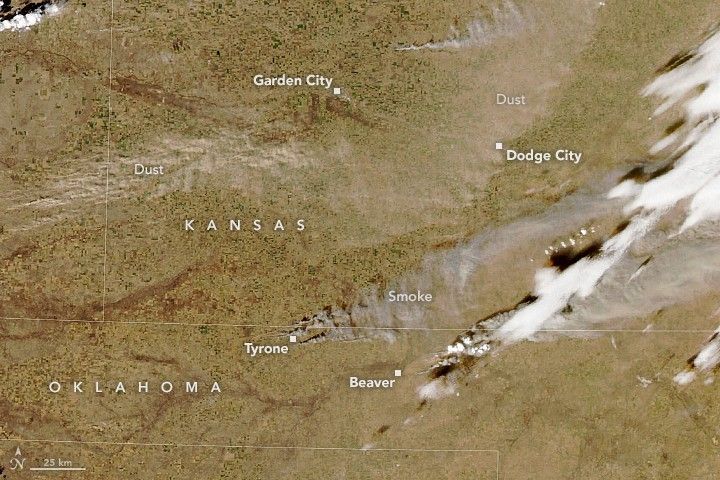
High winds and dry conditions sparked fast‑spreading wildfires across the Oklahoma Panhandle on February 17, 2026. The largest, the Ranger Road fire, consumed 145,000 acres by evening, with total burned area exceeding 155,000 acres that day. Gusts up to 70 mph also generated dust storms that lowered visibility and caused a deadly vehicle pileup on I‑25 in Colorado. Evacuations were ordered, a disaster emergency declared, and the fires doubled in size on February 18, with red‑flag warnings still in effect into February 19.
NASA Investigates How People Respond to Air Taxi Noise
Original Publication Date: 2026-02-19 20:54

NASA has just finished a study on how people react to the sounds of future air taxis. 359 participants in Los Angeles, New York City and Dallas‑Fort Worth listened to 67 simulated aircraft noises and rated their annoyance. Those who live in already noisy cities reported feeling more bothered than residents of quieter suburbs, indicating heightened sensitivity to added noise. The results will help guide the design and operation of advanced air‑mobility aircraft so they can be safely integrated into communities.
NASA Releases Report on Starliner Crewed Flight Test Investigation
Original Publication Date: 2026-02-19 19:06
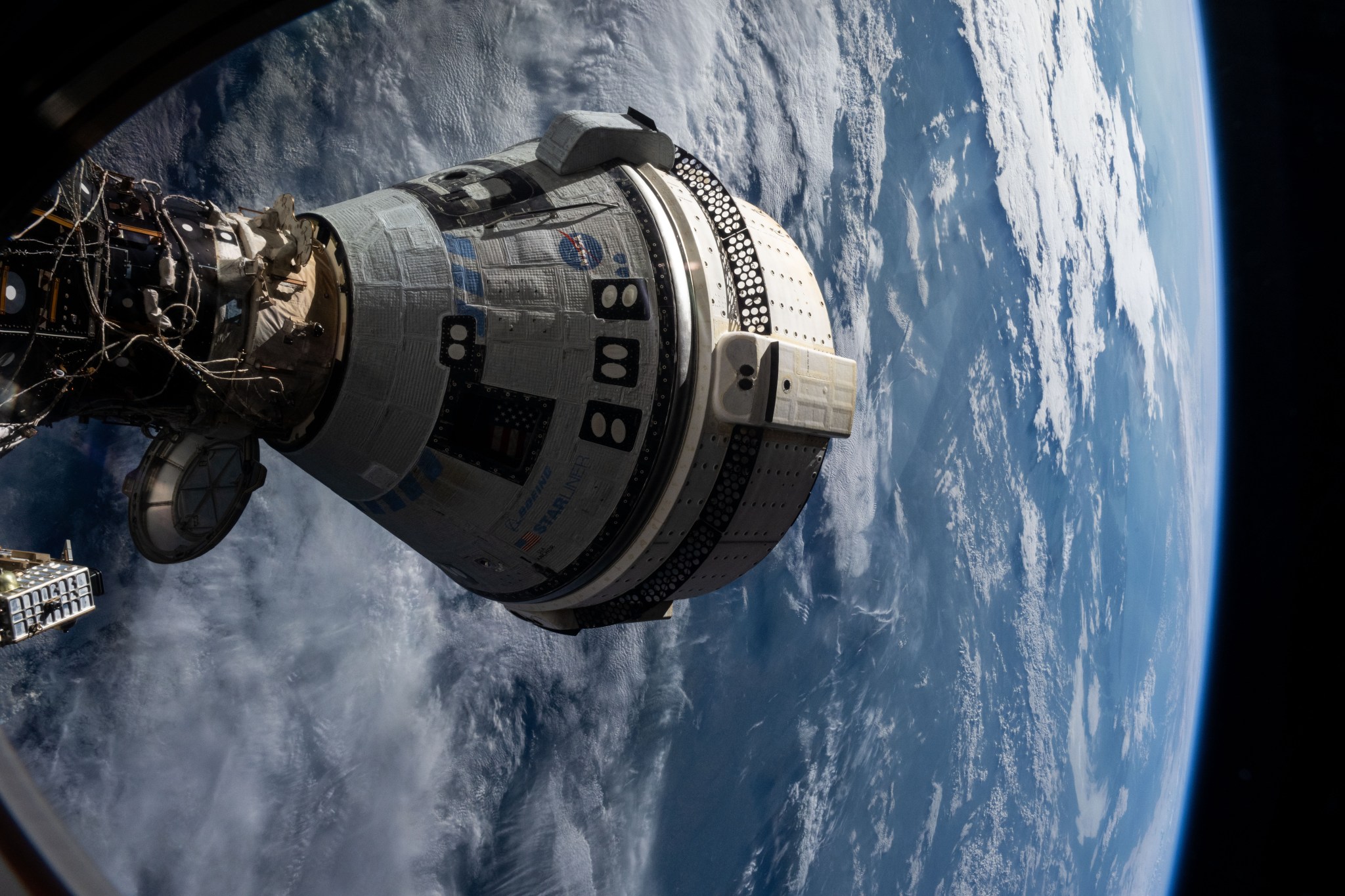
NASA’s latest investigation into the Boeing CST‑100 Starliner crew‑flight test has classified the mission as a Type A mishap, citing hardware failures, qualification gaps and leadership missteps that jeopardized the spacecraft’s maneuverability during docking with the International Space Station. The report, released after an independent team examined the technical, organizational and cultural factors, calls for comprehensive corrective actions and a renewed partnership between NASA and Boeing to address the root causes before the next Starliner flight. Although the two astronauts, Butch Wilmore and Suni Williams, returned safely to Earth aboard SpaceX’s Crew‑9 in March 2025, the Starliner mission was extended to 93 days and ultimately landed at White Sands in September 2024. NASA now plans to incorporate the investigation’s recommendations to ensure crew and mission safety on future Starliner flights and across all NASA programs.
NASA to Provide Starliner Crew Flight Test Review Findings Today
Original Publication Date: 2026-02-19 17:09
NASA will hold a live news conference Thursday at 2 p.m. EST to discuss findings from investigations into the 2024 Boeing Starliner crewed test flight to the International Space Station, with Administrator Jared Isaacman and Associate Administrator Amit Kshatriya in attendance. The event will stream on NASA’s YouTube channel and an instant replay will be available online afterward. Media wishing to participate must RSVP to the NASA Headquarters newsroom at least 30 minutes before the call, and NASA’s media accreditation policy can be found online.
Award-Winning NASA Camera Revolutionizes How We See the Invisible
Original Publication Date: 2026-02-19 16:31
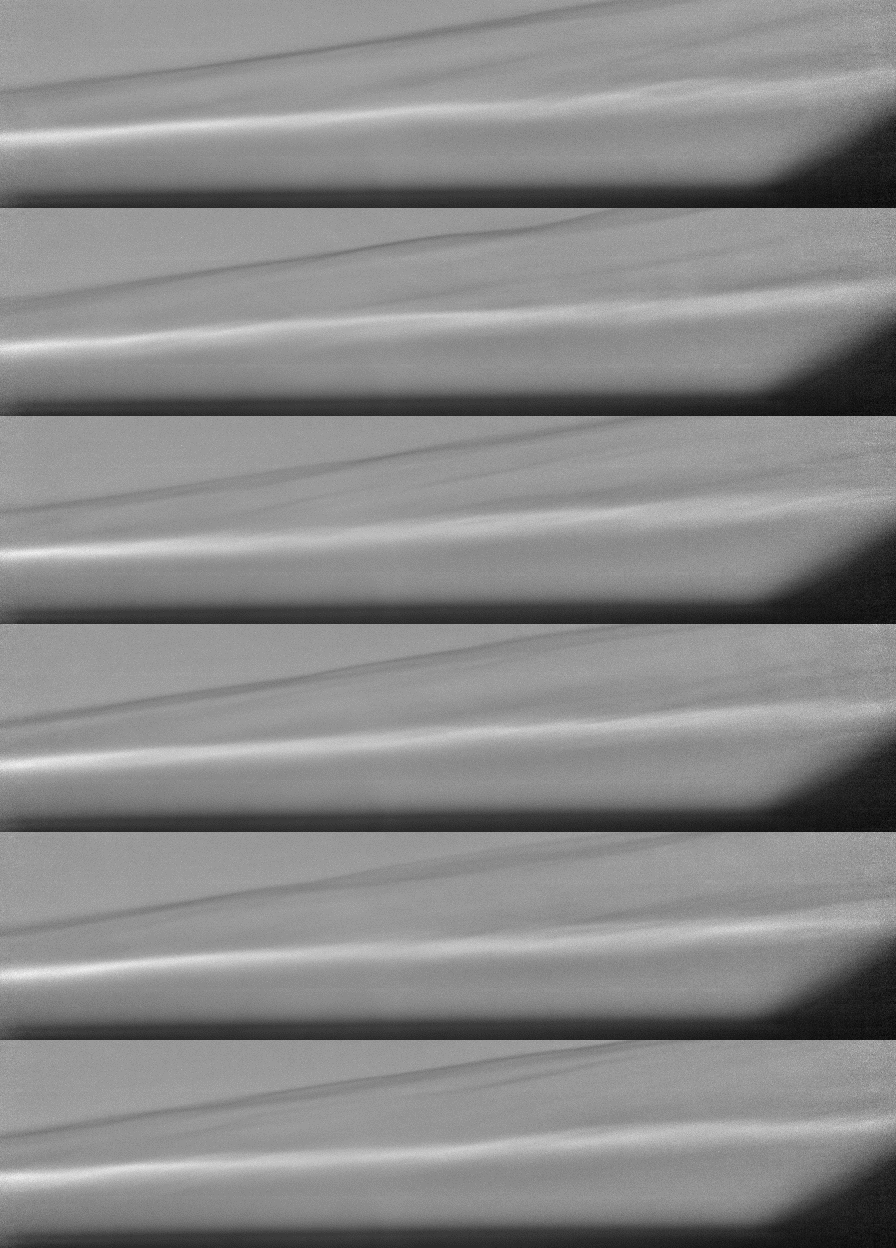
NASA’s Langley Research Center has unveiled the Self‑Aligned Focusing Schlieren (SAFS) camera, a compact, low‑cost tool that uses light polarization to visualize invisible airflow around aircraft and rockets. By requiring only a single side of the test object and eliminating the complex dual‑grid alignment of traditional schlieren systems, SAFS cuts setup time from weeks to minutes and reduces downtime and costs in wind‑tunnel experiments.
Second SLS WDR appears to go as planned
Original Publication Date: 2026-02-18 13:18

NASA’s second Wet Dress Rehearsal for Artemis II proved successful after a first‑test hydrogen leak, with all core and interim cryogenic tanks filling to 100 percent and countdown milestones met. The crew observed the test from Launch Control, noting hydrogen levels stayed below the 16 % threshold and a brief hold at T‑10 minutes resolved without delay. Work on the Tail Service Mast Umbilical interface was completed on Pad 39B, avoiding a rollback and keeping the mission on track for a March launch window. The data gathered will help NASA fine‑tune the launch sequence and ensure crew safety for the historic mission.
Inside Finland’s Rapid Rise as a Space Powerhouse
Original Publication Date: 2026-02-20 02:13
Finland, with fewer than 6 million people, has become a surprisingly competitive space hub in under a decade, thanks to targeted investment in next‑generation Earth observation, AI, and ground‑station technology.
NASA: Agency ‘Failed’ Starliner Astronauts
Original Publication Date: 2026-02-19 21:29
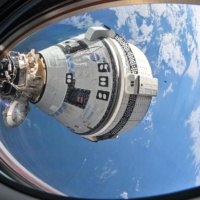
NASA admitted it failed to protect two astronauts on the 2024 Boeing Starliner crew flight, citing leadership and decision‑making failures. During the flight, five of the capsule’s 28 thrusters failed, but the crew managed a safe docking and the vehicle was later returned uncrewed. Both NASA and Boeing released investigations that blamed each other for oversight lapses, and the mishap is classified as a serious “Type A” incident. NASA pledged that the next uncrewed Starliner test in April will launch only when fully ready, even if it means a delay.
NASA Authorization Could Kick Start Space Nuclear Power
Original Publication Date: 2026-02-19 14:00
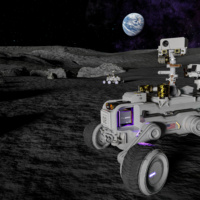
The NASA Reauthorization Act of 2026, passed unanimously by the House Science Committee, could be a turning point for the emerging space nuclear power industry. It expands NASA’s nuclear capabilities, encourages coordination with the DOE, and pushes for commercial collaboration, giving agencies the authority to move faster. Companies like Zeno Power see the bill as a chance to de‑risk radioisotope power systems for lunar missions, while the Nuclear Energy Institute urges lawmakers to address indemnification and set clear deployment timelines. If the bill reaches the president’s desk and passes both chambers, it could unlock a sustainable pathway for commercial and government use of space nuclear technology, potentially enabling a lunar surface deployment as early as 2028.
US Chamber Fighting For Licensing, ITAR Reform in 2026
Original Publication Date: 2026-02-19 13:30
The US Chamber of Commerce’s Space Leadership Council celebrated a key win last year when Congress passed the One Big Beautiful Bill Act, granting spaceports the same municipal bond funding tools as airports and seaports. Executive Director John Neal highlighted the council’s successes, including securing an extra $10 billion for NASA, pushing acquisition reform to boost competition, and raising concerns over anticompetitive language in the EU Space Act draft. Looking ahead, the council plans to streamline FCC licensing, engage the administration on regulatory oversight, and push the State Department to reform ITAR so U.S. Firms can compete globally. By convening executives, bankers, and venture capitalists, the Chamber aims to integrate space into the broader economy and drive infrastructure modernization.
Supermassive serial killers: Astronomers discover how black holes 'kill off' neighboring galaxies
Original Publication Date: 2026-02-20 11:00
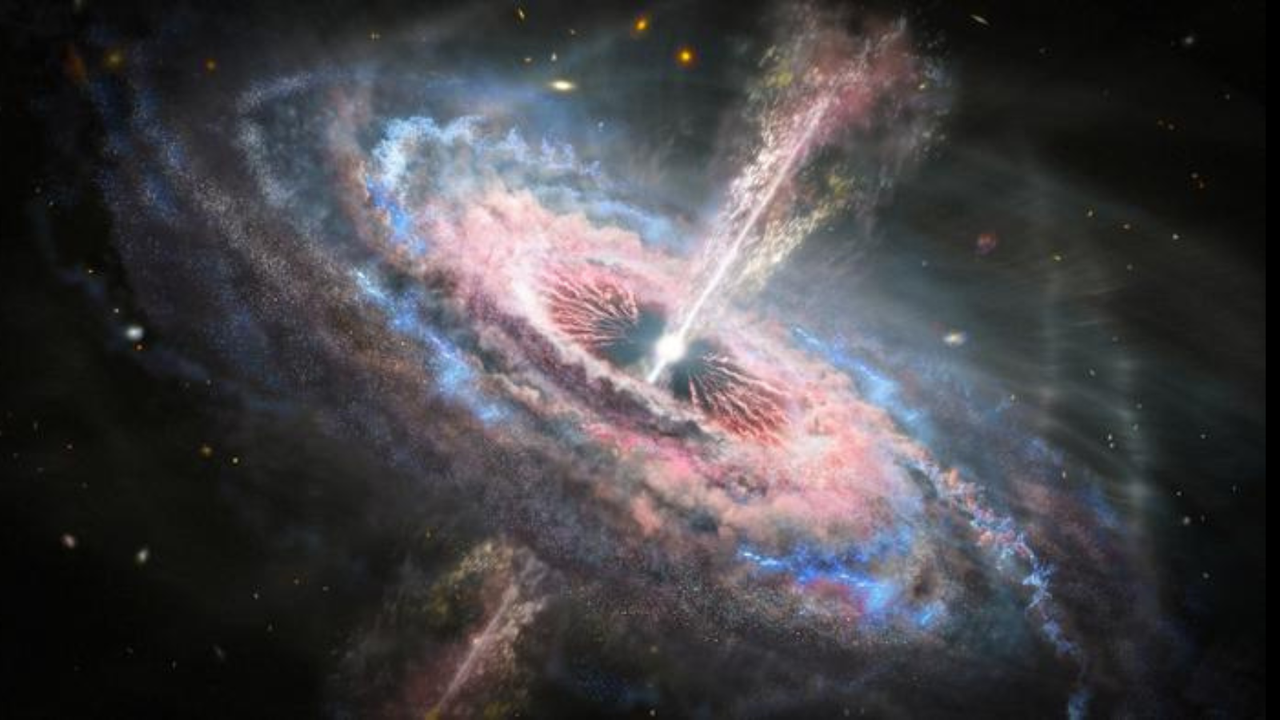
New research shows that an active supermassive black hole can suppress star formation not just in its own galaxy but in neighboring galaxies millions of light‑years away, acting like a cosmic serial killer. Dr. Yongda Zhu of the University of Arizona and colleagues found that the intense radiation and twin jets from these black holes heat and push away the gas needed for star birth, reshaping entire galactic neighborhoods.
The James Webb Space Telescope just mapped auroras on Uranus in 3D for the 1st time, and scientists are thrilled
Original Publication Date: 2026-02-19 23:00
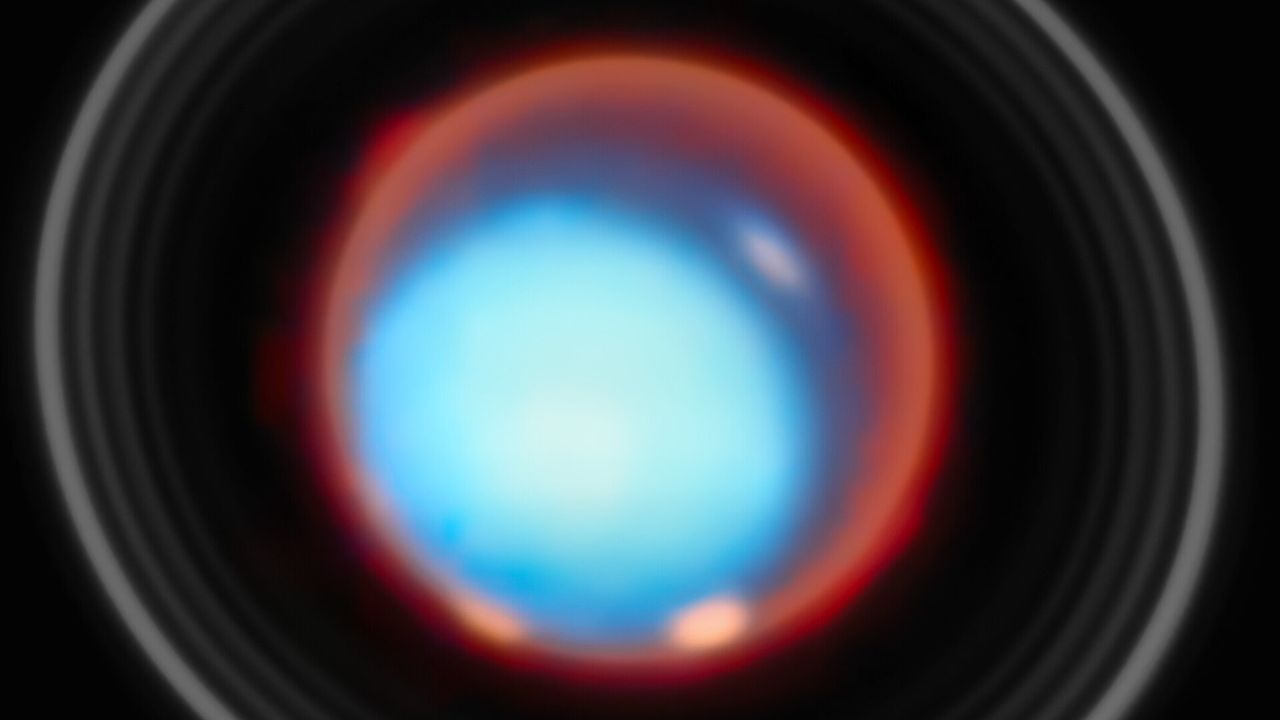
The James Webb Space Telescope has, for the first time, mapped Uranus’s auroras in three dimensions, revealing how the planet’s tilted magnetosphere sweeps bright auroral bands across its clouds. Using the NIRSpec instrument, scientists measured temperature and ion variations up to 426 K, confirming that Uranus’s upper atmosphere is still cooling—a trend that began in the early 1990s. The detailed data show how energy moves upward in the ice giant’s atmosphere, offering a crucial step toward characterizing similar giant planets beyond our solar system. These findings deepen our understanding of Uranus and help guide future studies of distant exoplanets.
'We almost did have a really terrible day.' NASA now says Boeing's 1st Starliner astronaut flight was a 'Type A mishap'
Original Publication Date: 2026-02-19 22:06
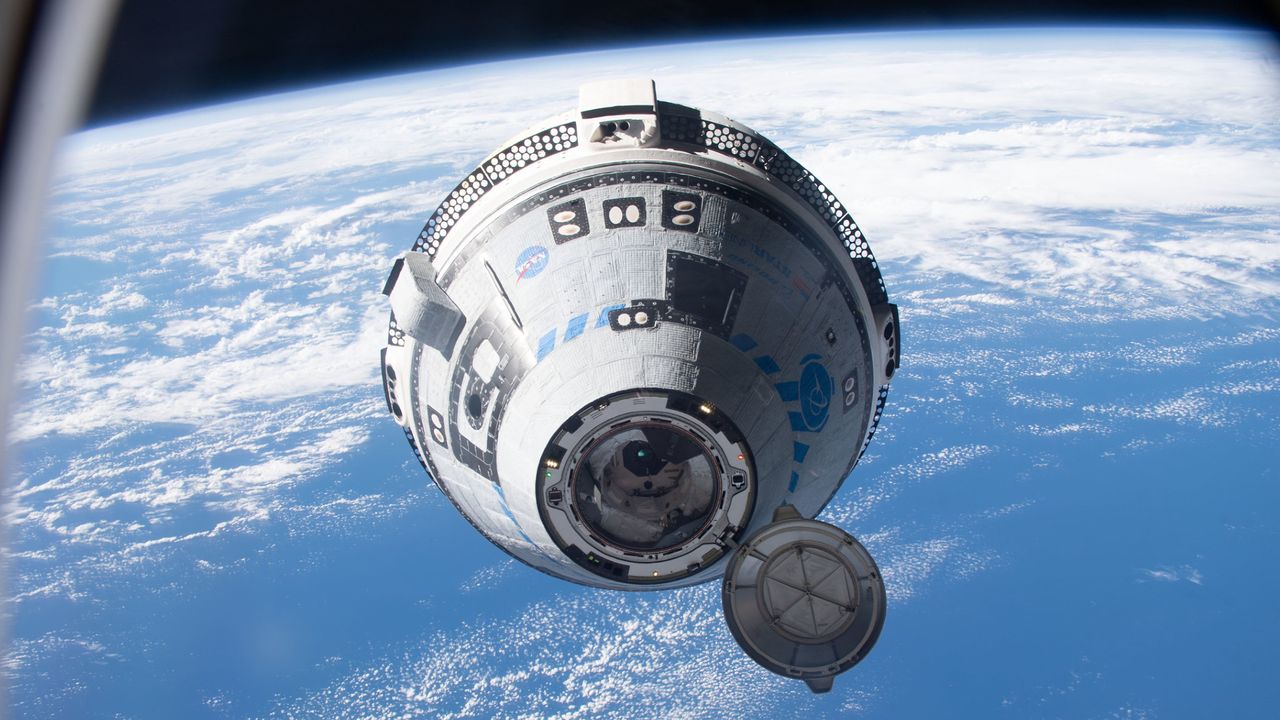
NASA has reclassified Boeing’s first Starliner crew flight test as a Type A mishap, the most serious category of spaceflight incident. The 2024 mission, which sent astronauts Suni Williams and Butch Wilmore to the ISS, suffered multiple thruster failures that temporarily knocked the capsule out of control, yet docking was ultimately achieved. Officials say the mishap could have ended far worse had different decisions been made, and the crew’s stay was extended to study the issues before the capsule returned uncrewed in September.
Scientists measure air pollution from reentering SpaceX rocket in real-time: 'It's never been done before'
Original Publication Date: 2026-02-19 22:00
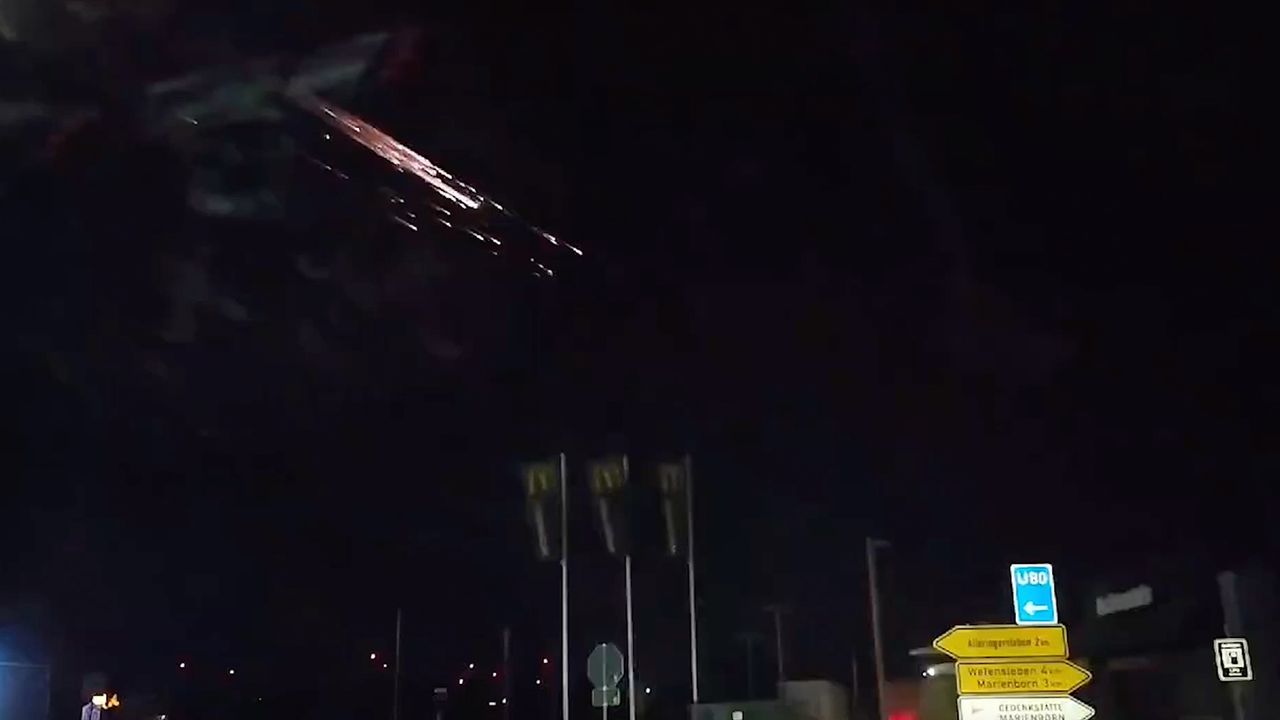
Scientists have, for the first time, captured a cloud of air pollution in real time as a SpaceX Falcon 9 rocket stage burned up over Europe, using a LIDAR laser instrument to detect the lithium released from the vehicle’s aluminum‑lithium hull and batteries. The plume, which traveled roughly 20 hours across western Europe, was traced back to the re‑entry trajectory with a global atmospheric model, confirming the source. This breakthrough measurement will help researchers understand the chemical reactions and potential climate impacts of space junk burning in the atmosphere. The study marks a pivotal step in assessing how growing numbers of re‑entering satellites and rocket stages may affect Earth’s protective ozone layer and thermal balance.
Hubble telescope discovers rare galaxy that is 99% dark matter
Original Publication Date: 2026-02-19 20:00
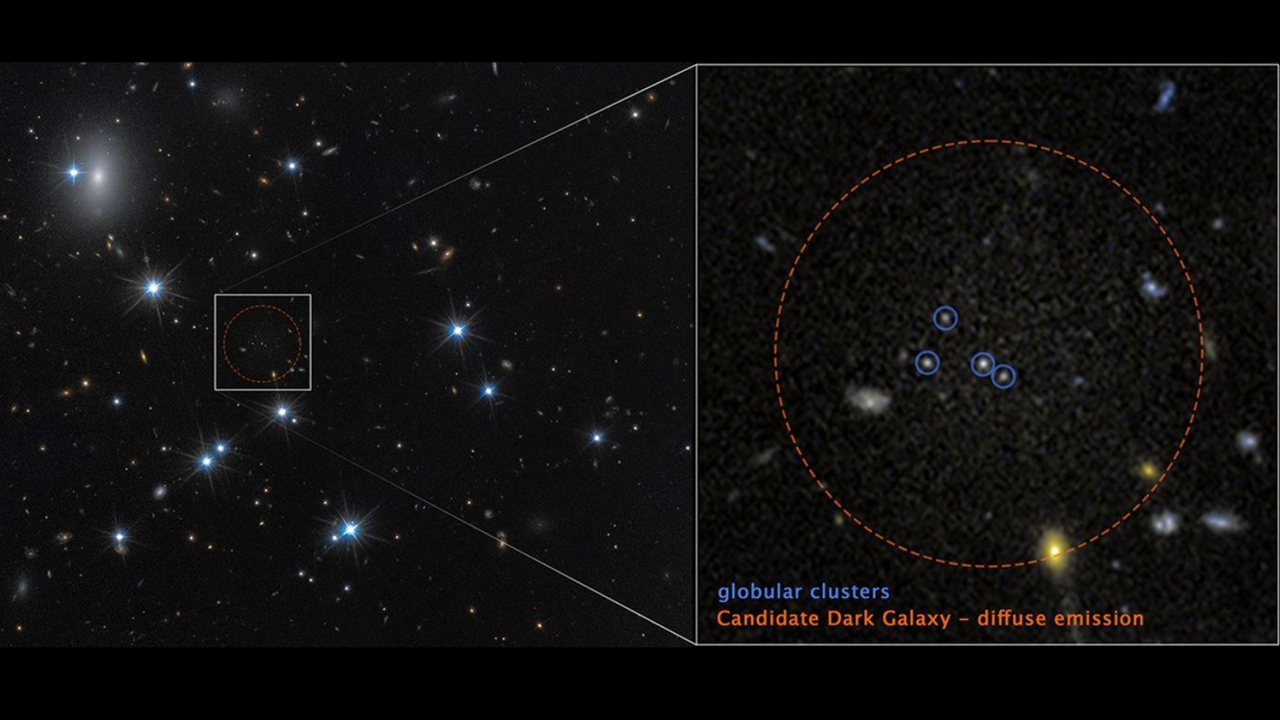
Astronomers using the Hubble and Euclid space telescopes have identified CDG‑2, a galaxy that is almost entirely made of dark matter—about 99 % of its mass is invisible. The faint galaxy lies roughly 245 million light‑years away in the Perseus cluster and was first spotted through a tight grouping of globular clusters. With only about 6 million sun‑like stars, CDG‑2 is the first galaxy discovered solely by its star clusters, revealing how much dark matter can dominate a galaxy’s mass. This discovery underscores the elusive nature of dark matter and the power of modern telescopes to uncover the universe’s hidden structures.