 Spotify
 Apple Podcasts
 Podcast Addict
 Overcast
 Podcast RSS
China’s iSpace launch firm raises record $729 million for reusable rockets
Original Publication Date: 2026-02-13 10:58
Chinese launch firm iSpace has raised a record 5.037 billion yuan in a D++ funding round, eclipsing all previous rounds for a domestic launch startup.
Space startups find more paths to liquidity as investors warm to maturing sector
Original Publication Date: 2026-02-12 22:27
Young space startups now have a growing toolbox to raise capital or exit, with options ranging from public market debuts to sales to aerospace, defense, or AI players. Experts at the SmallSat Symposium noted that even as venture funding remains abundant, many companies see no need to go public yet, relying instead on large private and government-backed sums.
First Ariane 64 launches Amazon Leo satellites
Also covered by: NASASpaceFlight, Payload Space, Ars Technica
Original Publication Date: 2026-02-12 21:53
Europe’s Ariane 64 rocket made history on Feb. 12 by lofting 32 Amazon Leo broadband satellites into orbit from French Guiana, marking the first flight of the heavy‑lift variant with four solid‑fuel boosters. The launch, part of Arianespace’s 18‑mission contract with Amazon, demonstrated the Ariane 64’s doubled payload capacity—about 20 tons to low Earth orbit—compared to the earlier Ariane 62. ESA praised the success as a key step in restoring Europe’s autonomous launch capability, while Amazon continues to push its Project Kuiper constellation toward its FCC deadline. The mission also set the stage for future Ariane 64 flights, with Arianespace planning several more Amazon launches in 2026.
Axiom Space raises additional $350 million
Original Publication Date: 2026-02-12 21:00
Axiom Space has secured $350 million in a new funding round led by Type One Ventures and Qatar Investment Authority, with additional investors including 1789 Capital, 4iG, and LuminArx Capital Management.
ThinKom gets military contract to supply portable ground stations for satellite communications
Original Publication Date: 2026-02-12 19:07
ThinKom Solutions’ U.S. Military contract to demo portable phased‑array ground stations has been extended, with funding rising to $3.9 million. The Pentagon is testing these systems as a lighter, aircraft‑free alternative to traditional parabolic dishes, aiming to give dismounted troops satellite connectivity in remote or contested areas.
NASA loading liquid hydrogen aboard Artemis 2 rocket in unannounced test
Original Publication Date: 2026-02-12 15:18
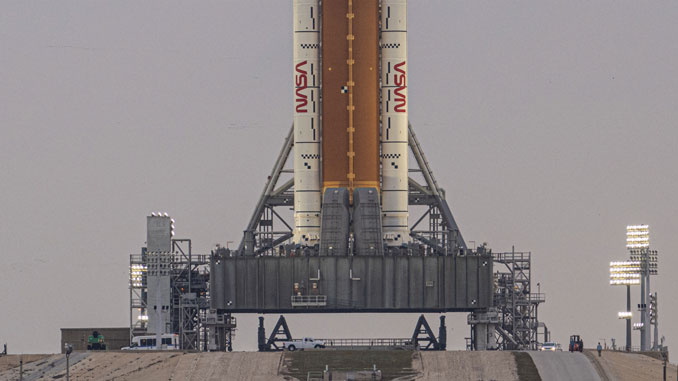
NASA has begun loading liquid hydrogen into the Space Launch System’s core stage at Kennedy Space Center to test new seals on a leaky umbilical that halted a February 2 wet‑dress rehearsal. The test will determine whether the repaired seals can contain the tiny hydrogen molecules that previously escaped during a critical countdown. Engineers are running hydrogen through the interface and partially filling the tank, with data guiding the schedule for a possible next rehearsal. If the seals perform as expected, a second wet‑dress rehearsal could be slated for next week.
Vulcan suffers solid rocket booster problem during USSF-87 launch
Original Publication Date: 2026-02-12 11:56
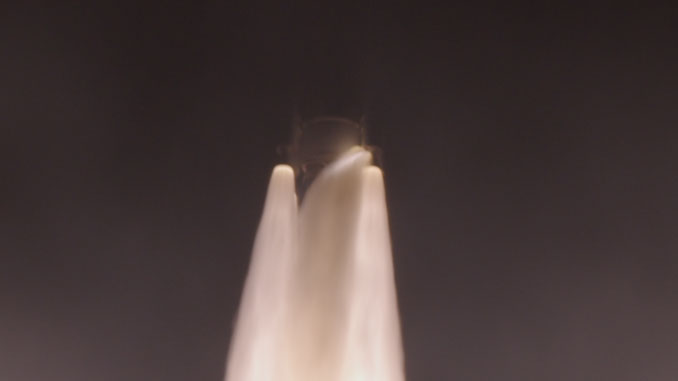
On Feb. 12, 2026, United Launch Alliance’s Vulcan rocket lifted off from Cape Canaveral carrying the USSF‑87 national‑security payload. Within 30 seconds a plume from one of the four solid‑rocket boosters suggested a nozzle burn‑through, causing the vehicle to roll more than expected. The rocket countered the anomaly, jettisoned the boosters at T + 1:37, and continued on a nominal trajectory to deliver the Space Force satellites. ULA is reviewing the data, noting this is the second such issue in four flights, but remains confident in the vehicle’s readiness for future missions.
ULA to launch geosynchronous orbit surveillance satellite for the U.S. Space Force
Original Publication Date: 2026-02-11 20:06
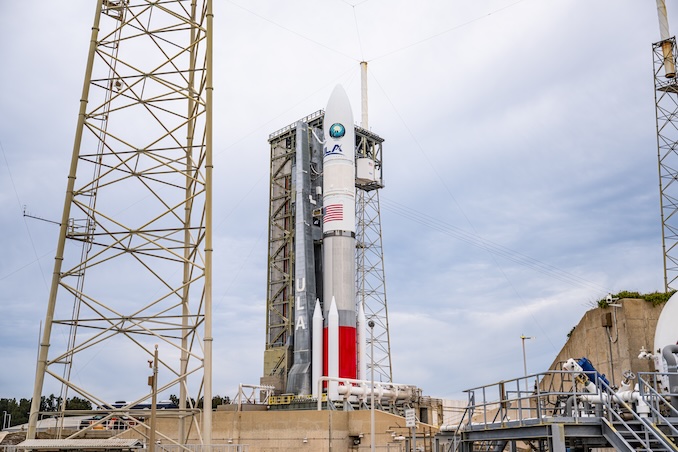
United Launch Alliance’s new Vulcan rocket, V‑005, is set to lift off from Cape Canaveral’s Space Launch Complex 41 at 3:30 a.m. EST for the U.S. Space Force’s USSF‑87 mission, a 10‑hour flight that will deploy a cluster of national‑security satellites, including the high‑performance Geosynchronous Space Situational Awareness Program (GSSAP) sensors. The launch will use a VC4S configuration with four side‑mounted GEM 63XL solid boosters that jettison just two minutes after liftoff, followed by the separation of the Vulcan booster from its Centaur 5 upper stage. Weather forecasters predict a 95 percent chance of clear conditions, though they’re monitoring for potential X‑ray solar flares that could affect the mission. This flight marks ULA’s longest mission to date and the second national‑security launch of its Vulcan rocket, underscoring the vehicle’s design for complex, high‑orbit payloads.
The Hybrid Architecture Is No Longer Theoretical
Original Publication Date: 2026-02-12 23:59
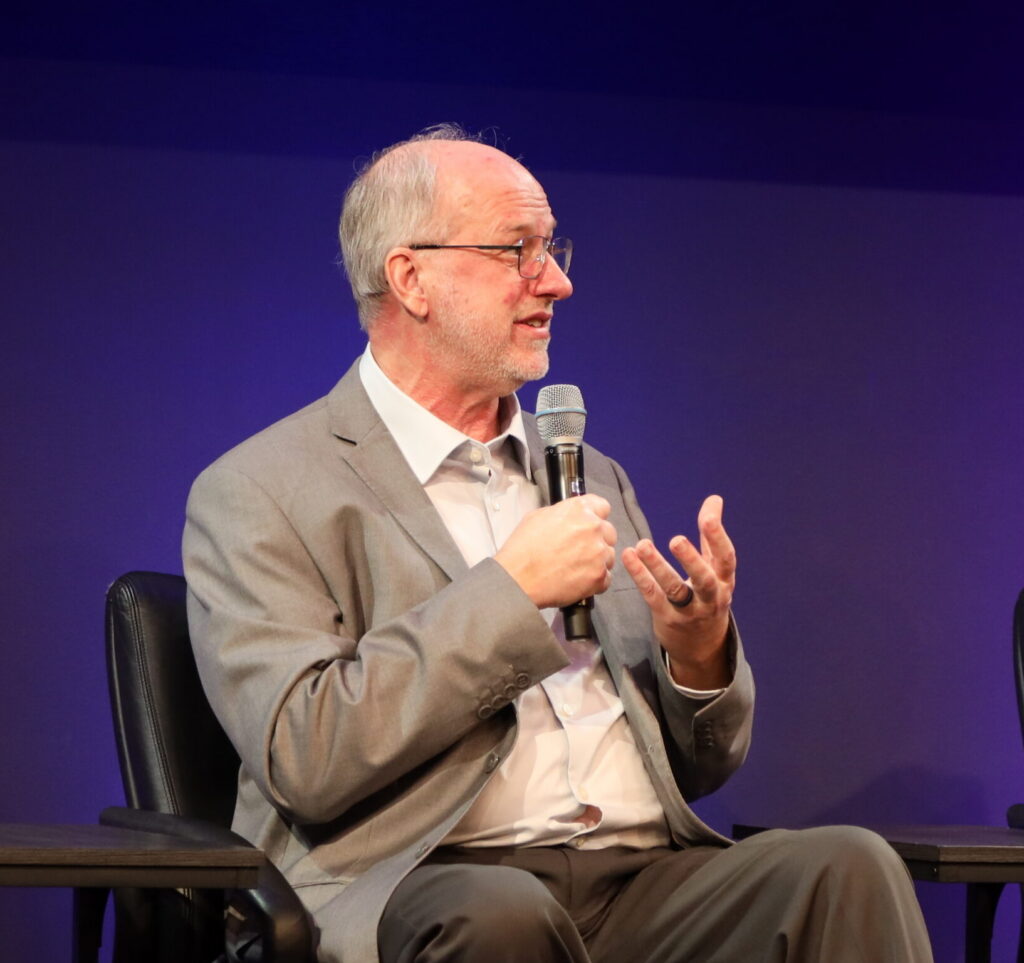
The SmallSat Symposium’s final session revealed a sharp pivot from commercial “democratization” to military integration, with panelists arguing that any gap between commercial and defense satellites has vanished. Speakers emphasized that in contested skies the real currency is low‑latency decision‑making, not high‑resolution data, and that the Pentagon’s Space Development Agency is driving this urgency. A heated debate over whether to process data on‑orbit or on the ground highlighted the trade‑offs of edge computing, while the discussion of debris removal underscored its dual‑use potential for anti‑satellite operations. Despite confidence in U.S. Innovation, panelists expressed concern over situational awareness in GEO/MEO, suggesting that the advantage may be less secure than presumed.
The Thruster Reality Check: Why Boring is the New Stealth
Original Publication Date: 2026-02-12 23:38

At the SmallSat Symposium, industry leaders highlighted that commercial satellite operators prioritize reliable, proven propulsion over high agility, challenging the military vision of dynamic space operations.
Balance Sheets Now Matter More Than Rockets
Original Publication Date: 2026-02-12 23:36

At this year's SmallSat Symposium in Mountain View, investors and financiers replaced dreamers as they recalibrated the $613 billion space economy toward disciplined, revenue‑driven growth. Panelists warned that the era of $50 million napkin‑deck funding is over, insisting that companies now need proven traction and long‑term returns, while a K‑shaped recovery splits the market into stable mid‑stream firms and vulnerable launch start‑ups.
70,000 Satellites, One Big Bottleneck: The Industry Wakes Up to the Data Trap
Original Publication Date: 2026-02-12 23:35

The SmallSat Symposium highlighted a critical shift: while the launch market is booming, the ground‑side data pipeline is choking the industry. Experts warned that 70,000 satellites could be launched in the next decade, representing $134 billion, yet the current RF downlink and store‑and‑forward model cannot deliver timely data for high‑value uses.
Software Defines the New Front Lines of Space Defense
Original Publication Date: 2026-02-12 23:34

At the SmallSat Symposium in Mountain View, industry leaders announced a decisive shift from bulky hardware to software‑driven satellite operations, with defense clients willing to pay for waveforms rather than “pizza boxes.” The conference highlighted the battle between centralized hyperscale cloud and space‑edge processing, arguing that in contested environments, processing data in orbit tightens the OODA loop and reduces egress costs. Experts also discussed fully autonomous kill chains, where satellites detect and task assets without human intervention, but warned that rapid AI deployment raises significant risk if data quality is compromised. This new software‑centric paradigm promises faster decision‑making, but its success hinges on rigorous verification and secure, low‑latency infrastructure.
Sunlight Extracts Oxygen From Regolith Using Solar Chemistry
Original Publication Date: 2026-02-13 09:00
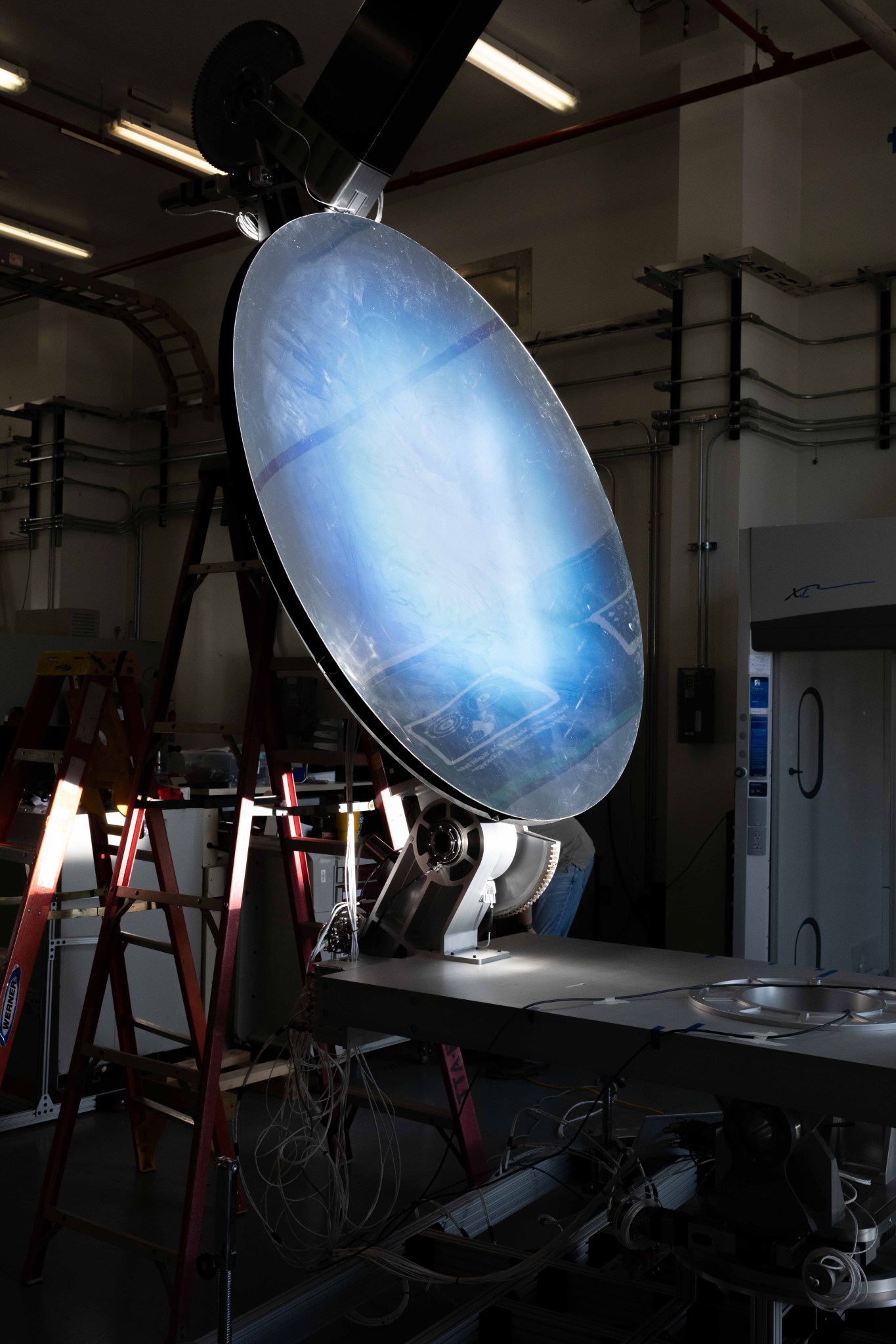
NASA’s Carbothermal Reduction Demonstration (CaRD) project has successfully tested a solar concentrator that extracts oxygen from simulated lunar regolith using concentrated sunlight, confirming carbon monoxide production. The integrated prototype combined a carbothermal reactor, a NASA‑designed concentrator, precision mirrors, and advanced avionics to demonstrate the feasibility of producing oxygen and propellant solely from lunar materials and sunlight. This breakthrough could dramatically lower the cost and complexity of sustaining long‑term human presence at the Moon’s south pole. The same technology could also be adapted for converting CO₂ to oxygen and methane on Mars.
Stonebreen’s Beating Heart
Original Publication Date: 2026-02-13 05:00
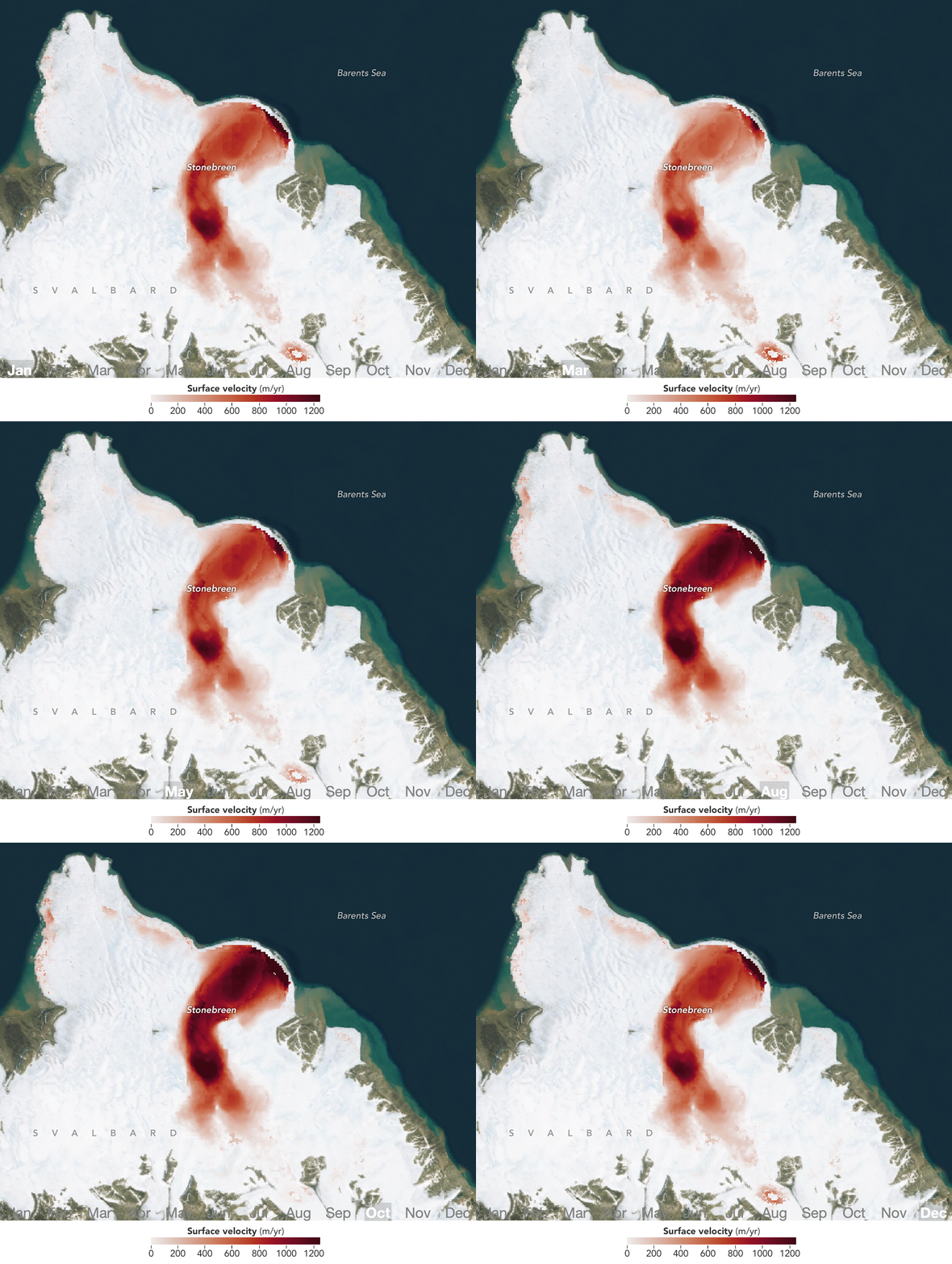
Stonebreen, a surge‑type glacier on Edgeøya in Svalbard, has been pulsing like a heart, speeding up dramatically in summer and slowing to a trickle in winter. Satellite data from NASA’s ITS_LIVE project show the ice can surge over 2,500 meters per year—about 23 feet a day—when meltwater lubricates its base. After years of rapid surging, the glacier entered a quiet phase in 2023, gliding only briefly in summer before largely coming to a halt. These seasonal beats and long‑term shifts illustrate how meltwater and glacier dynamics drive the Arctic’s icy rhythm.
NASA Selects Vast for Sixth Private Mission to Space Station
Also covered by: Payload Space
Original Publication Date: 2026-02-12 21:11
NASA and private company Vast have secured the sixth private astronaut mission to the International Space Station, scheduled to launch no earlier than summer 2027 from Florida. The two‑week flight will carry up to four crew candidates selected by NASA and will be launched aboard a SpaceX vehicle, with Vast purchasing consumables and cold‑chain sample‑return services from NASA. Vast’s entry marks its first crewed launch to the ISS and introduces fresh competition after Axiom handled the first five missions, as NASA plans to award Phase 2 contracts to multiple companies later this year.
NASA Moon Mission Spacesuit Nears Milestone
Original Publication Date: 2026-02-12 18:11
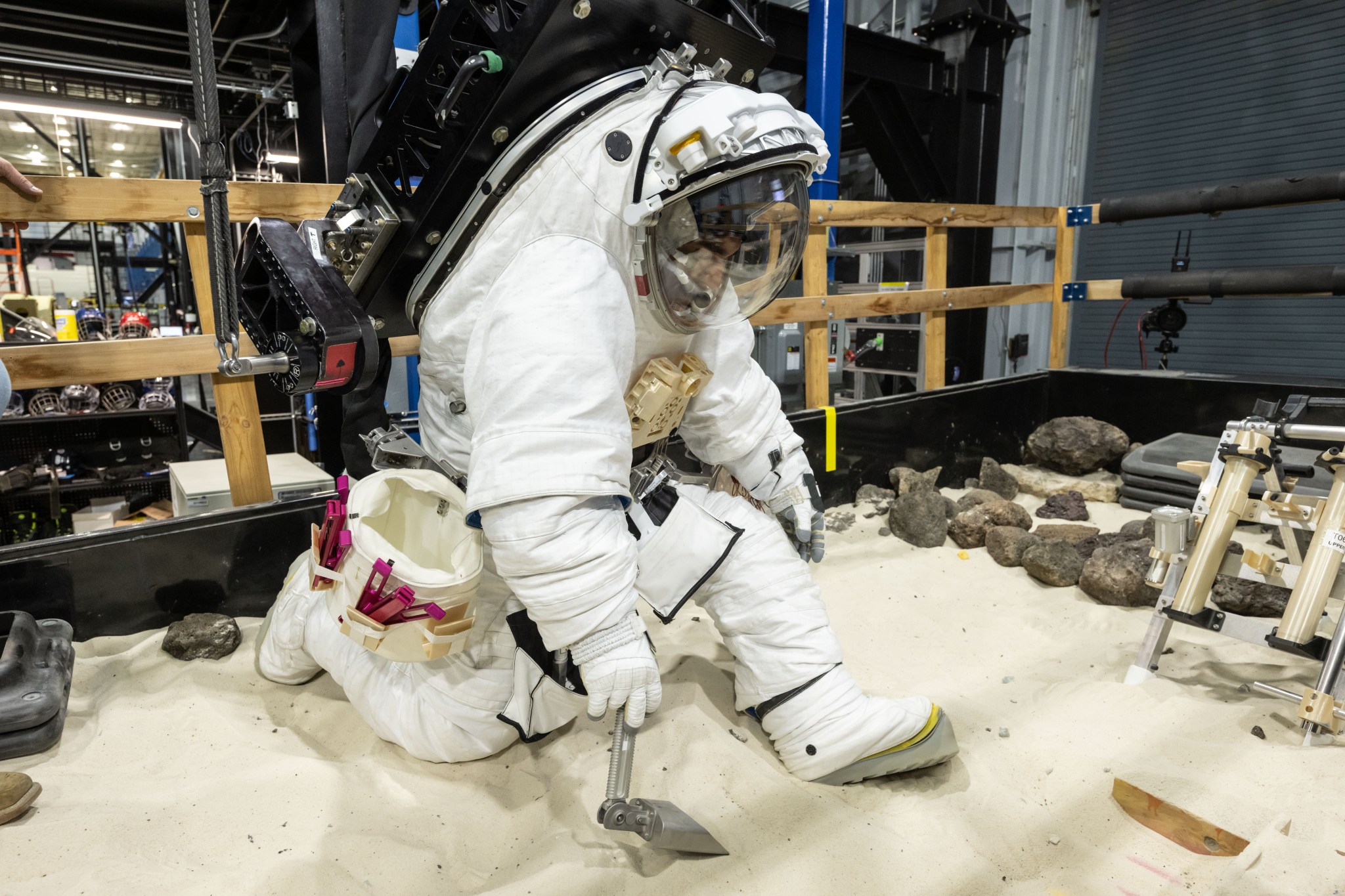
NASA and Axiom Space have just completed a contractor‑led technical review of the AxEMU, the next‑generation lunar spacesuit slated for the Artemis III mission to the Moon’s South Pole.
Shimmering Light in Egg Nebula
Original Publication Date: 2026-02-12 16:07
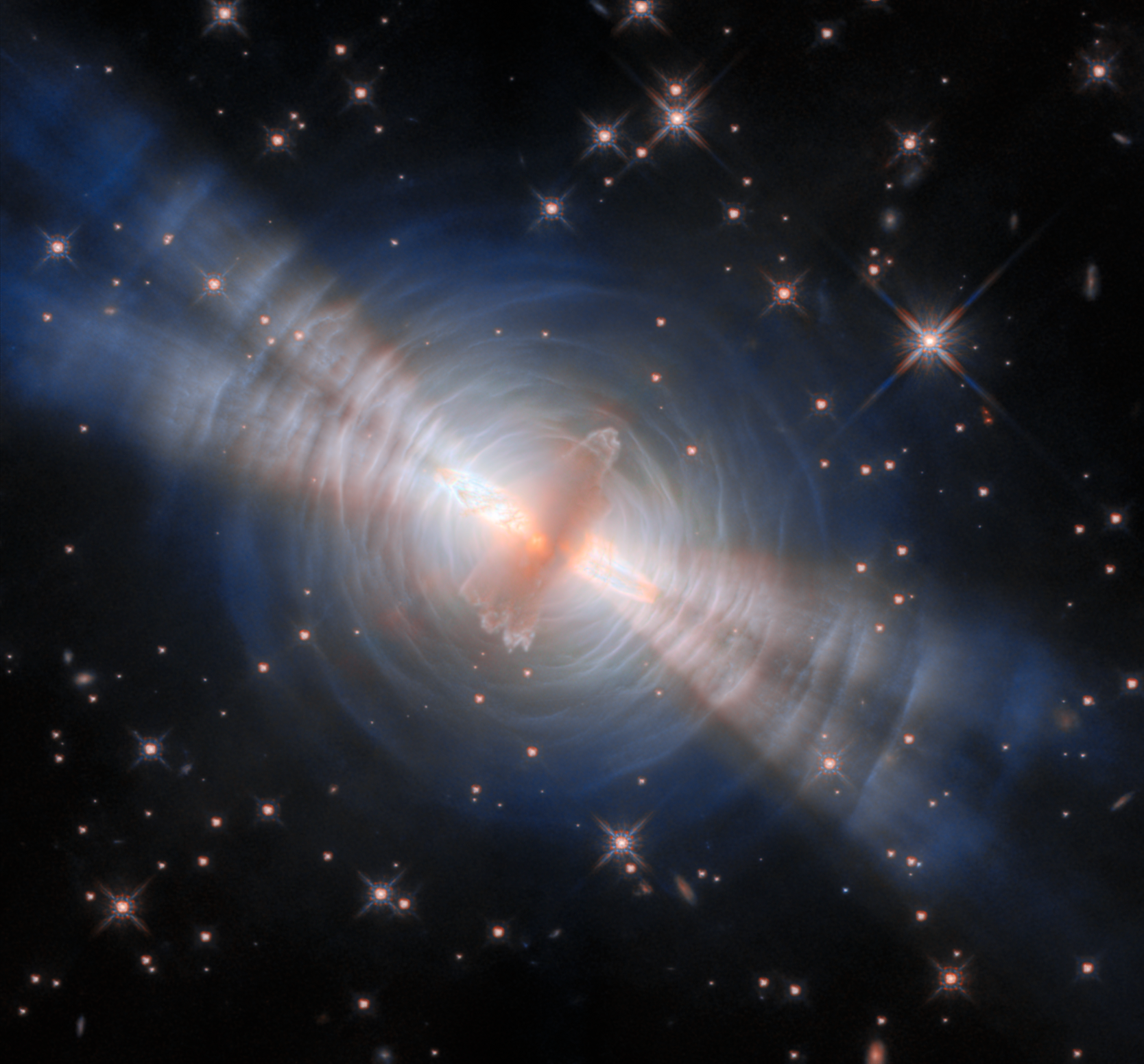
NASA’s Hubble Space Telescope has captured the clearest image yet of the Egg Nebula, a pre‑planetary nebula about 1,000 light‑years away in Cygnus. The stunning view, taken with the Wide Field Camera 3, shows a bright central star hidden behind a dense dust cloud, creating a dramatic yolk‑and‑egg effect. This is the youngest, closest, and first discovered pre‑planetary nebula, offering a rare glimpse into the late stages of a Sun‑like star’s life. The image, released on February 10, 2026, highlights the intricate interplay of light and shadow sculpted by freshly ejected stardust.
Archival Data From NASA’s NEOWISE Tracks Star Turning Into Black Hole
Original Publication Date: 2026-02-12 18:00
NASA’s NEOWISE telescope captured the quiet demise of a massive star in Andromeda, M31‑2014‑DS1, which failed to explode as a supernova but instead vanished, shedding gas and
Orbex’s Troubles Open Opportunities for Skyrora
Original Publication Date: 2026-02-13 06:14
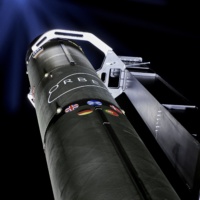
Orbex, the Scottish launch startup, has entered administration amid £49 million of debt after fundraising and M&A talks collapsed, signalling a potential end to the company’s operations. Skyrora, the other UK launch firm, has offered to buy up select Orbex assets—including the Sutherland Spaceport—for up to £10 million, aiming to preserve domestic launch capability and secure intellectual property. Meanwhile, the UK government has shifted its stance on sovereign launch support, cutting ESA contributions, folding UKSA into the Department of Science, Innovation and Technology, and pledging only a fraction of €144 million to the European Launcher Challenge. Skyrora remains poised for an inaugural launch this year, while the government promises further details on future space investment plans that will prioritize taxpayer impact.
Vulcan, Ariane 64 Blast Off
Original Publication Date: 2026-02-12 21:55
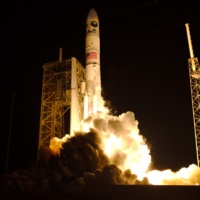
Two mega‑launchers blasted off Thursday, with ULA’s Vulcan carrying a Space Force satellite to geosynchronous orbit and Arianespace’s Ariane 64 lifting 32 Amazon Leo satellites from French Guiana. The Vulcan mission was a success, but a “significant performance anomaly” in one of its solid rocket motors prompted an investigation and a review before the next national‑security payload. The Ariane 64, a four‑boosted version of the Ariane 6, delivered more than double the payload mass, earning praise from European space leaders and signaling a strengthened European launch capability. Both launches highlighted the growing momentum of commercial and national space programs, even as engineers work to iron out the Vulcan’s anomaly.
Deep Space Energy Pockets €980K to Build European Space Nuclear Power
Original Publication Date: 2026-02-12 12:54
Latvian startup Deep Space Energy has secured €930 k to develop a radioisotope power system that could keep lunar rovers alive through the 14‑day lunar night. The funding comes from a €350 k pre‑seed round led by Outlast Fund and €580 k in public contracts from ESA, NATO Diana and the Latvian government. Their design uses a single‑piston Stirling engine that is four to five times more efficient than conventional RTGs, cutting the amount of nuclear fuel needed. The company plans a 2029 demonstration flight and aims to launch operational missions in the early 2030s, hoping the Moon will be full of autonomous rovers by 2035.
Satellite megaconstellations continue to grow. Could their debris fall on us?
Original Publication Date: 2026-02-13 11:00

A Canadian study warns that as satellite megaconstellations grow, the risk of debris surviving reentry could hit the ground. Researchers modeled 73,369 satellites across eleven constellations and found a 40 % chance of on‑ground casualties if any piece survives. Materials like aluminum are more likely to burn up, but high‑melting components such as titanium and tungsten may persist. Unless operators plan controlled reentries, the scattered debris could threaten people, aircraft, and infrastructure worldwide.
Watch SpaceX launch Crew-12 astronaut mission to the International Space Station this morning
Also covered by: Space.com, NASASpaceFlight
Original Publication Date: 2026-02-12 22:00
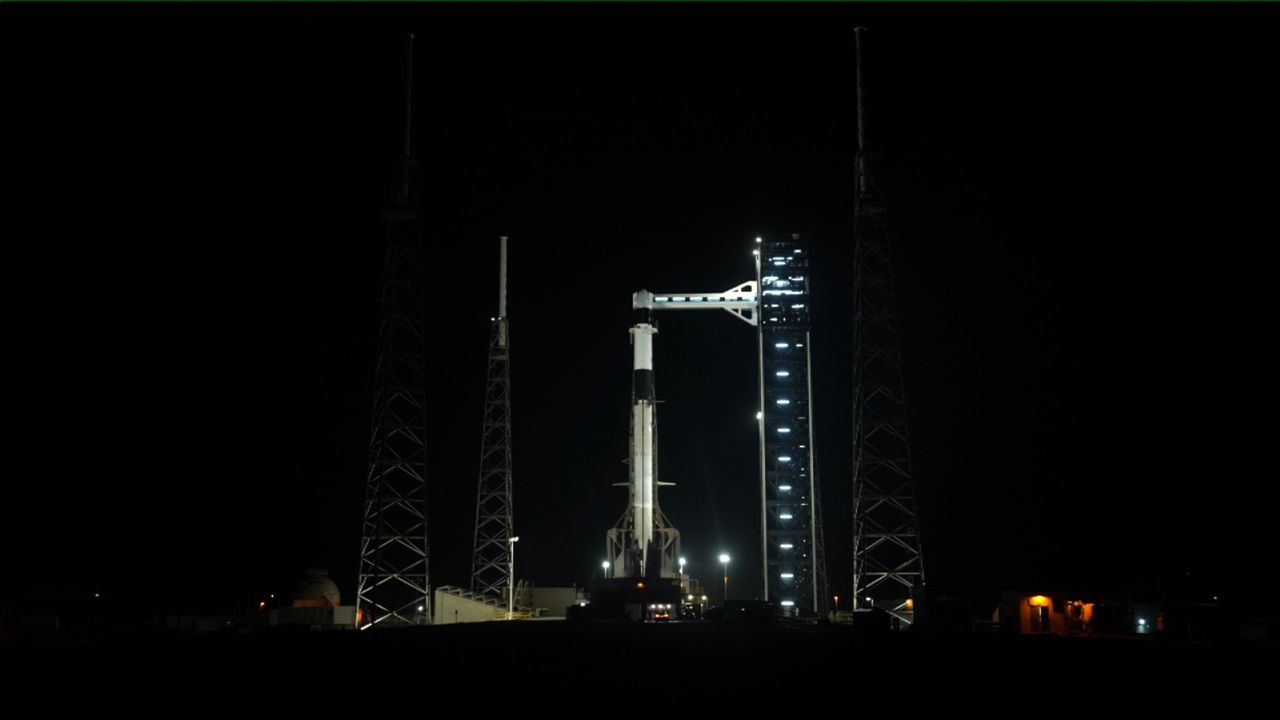
SpaceX launched the Crew‑12 mission on Friday, Feb. 13 2026, at 5:15 a.m. EST from Cape Canaveral’s Space Force Station aboard a Falcon 9 rocket. The four‑person crew—NASA astronauts Jessica Meir and Jack Hathaway, ESA astronaut Sophie Adenot, and Roscosmos cosmonaut Andrey Fedyaev—were sent to the International Space Station. The spacecraft is expected to dock with the ISS the following day, bringing the station’s crew to its full complement of seven. The crew will remain aboard for a nine‑month stay.
Deja vu: Vulcan Centaur rocket powers through 'significant performance anomaly' on satellite launch
Original Publication Date: 2026-02-12 21:00
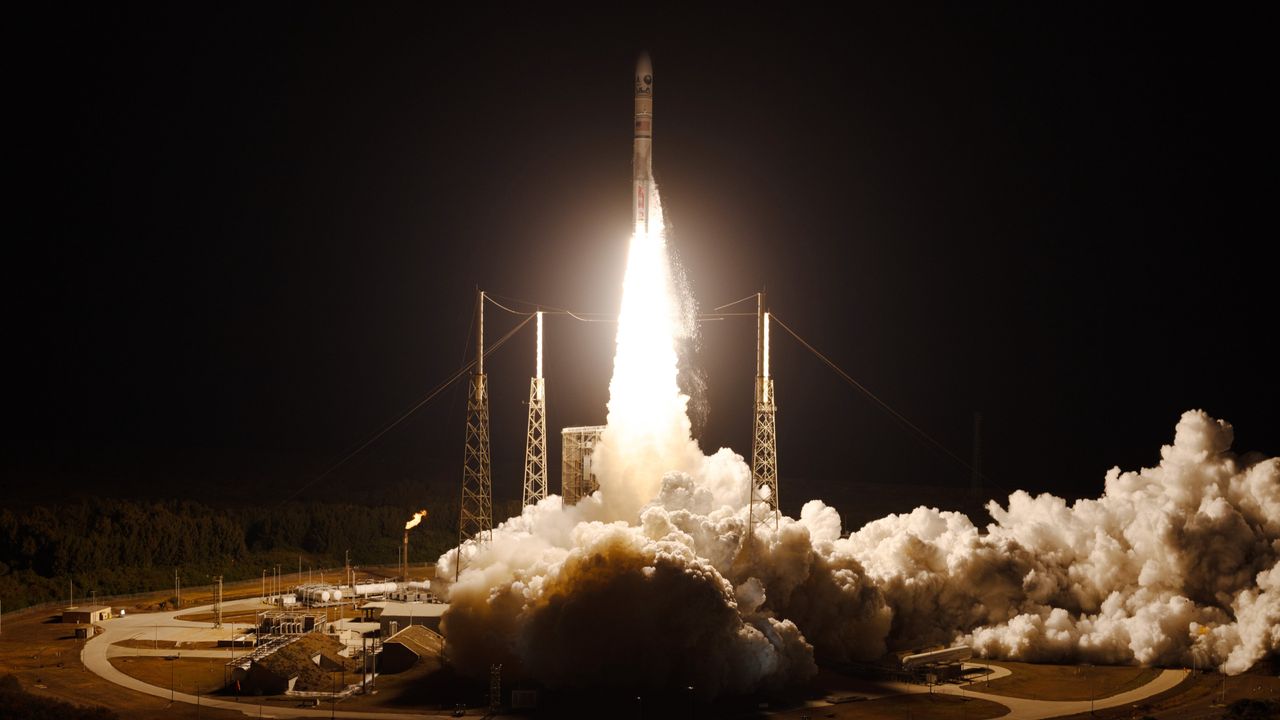
ULA’s new Vulcan Centaur rocket lifted off from Cape Canaveral on Feb. 12, 2026, carrying two U.S. Space Force spy satellites to geosynchronous orbit. An early performance anomaly was detected in one of the four solid rocket motors, yet the booster and upper stage remained on target and delivered the payload successfully. ULA is reviewing the data, investigating the cause, and will implement corrective actions before the next Vulcan mission.
Scientists have found a weird 'inside out' planetary system. Here's what it looks like
Original Publication Date: 2026-02-12 20:00
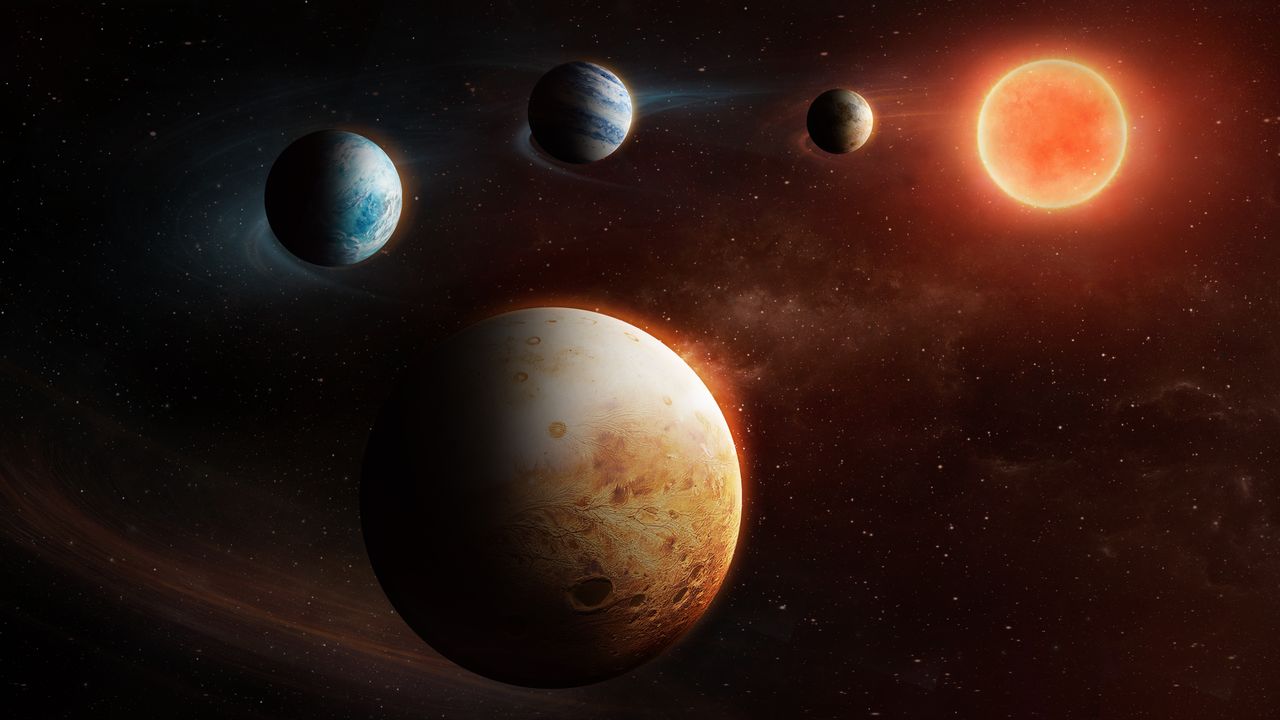
Scientists using space and ground‑based telescopes have discovered four planets orbiting the red dwarf star LHS 1903, a cooler and dimmer cousin to our Sun. The innermost planet is rocky, while the next two are gas giants, and the farthest planet—though the smallest of the group—is also a gas giant. This finding expands our understanding of planetary systems around small stars.