 Spotify
 Apple Podcasts
 Podcast Addict
 Overcast
 Podcast RSS
Arianespace Launches Thales Alenia Space MTG-I2 Satellite Aboard Ariane 62 Rocket
Original Publication Date: 2026-08-27 22:59
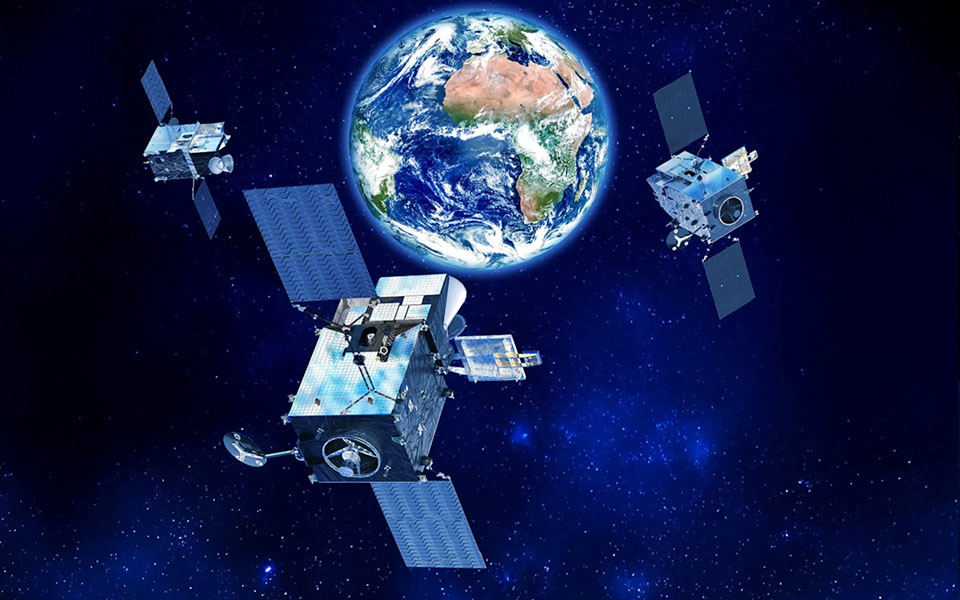
On August 27, 2026, Arianespace launched the MTG‑I2 weather satellite from Kourou’s Spaceport in French Guiana aboard an Ariane 62 rocket.
Financial Modeling Validates SpaceX Falcon 9 Booster Economics and Margins
Original Publication Date: 2026-08-27 18:56
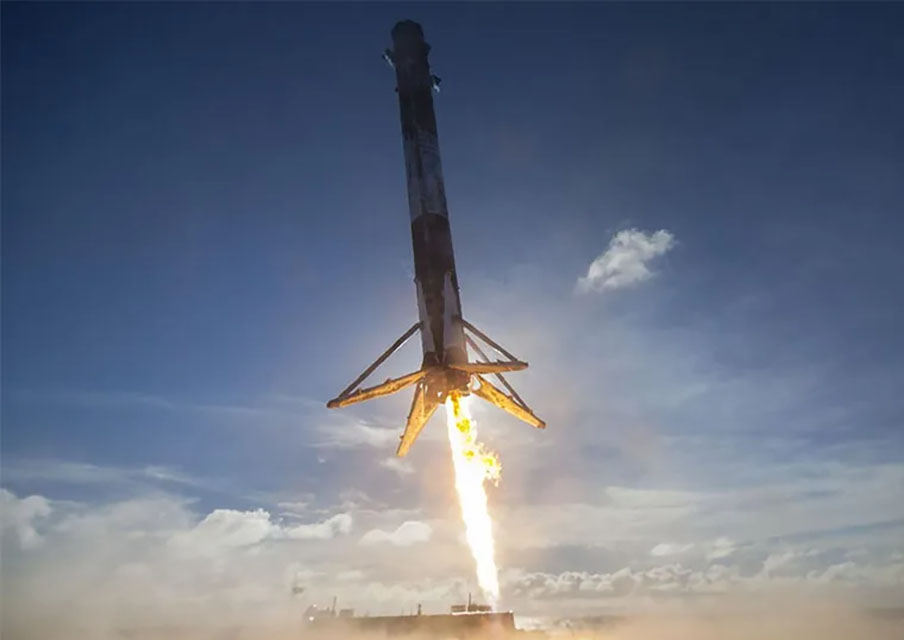
An independent cost analysis by aerospace researcher [Name] shows that reusable launch vehicles can lower per‑launch expenses, yet the upfront manufacturing and ongoing refurbishment costs remain substantial. The study breaks down the capital outlays into manufacturing, refurbishment, and operational components, revealing that reusability cuts launch costs but does not eliminate the high initial investment. It emphasizes that true capital efficiency will depend on streamlining production processes and shortening turnaround times between flights. The findings suggest that future commercial launch services must balance these cost drivers to remain competitive.
Saudi Space Investments Projected to Quadruple to $31.6 Billion by 2035, CST Report Finds
Original Publication Date: 2026-08-27 18:47

Saudi Arabia is set to quadruple its space sector spending over the next decade, with investments projected to rise from $8.7 billion in 2024 to $31.6 billion by 2035. The plan reflects the kingdom’s ambition to become a major player in space technology and exploration. A recent report highlights a growing focus on satellite manufacturing, launch services, and research and development. This bold investment strategy signals Saudi Arabia’s commitment to diversifying its economy beyond oil.
The Forested Floodplains of Congaree National Park
Original Publication Date: 2026-08-28 04:01
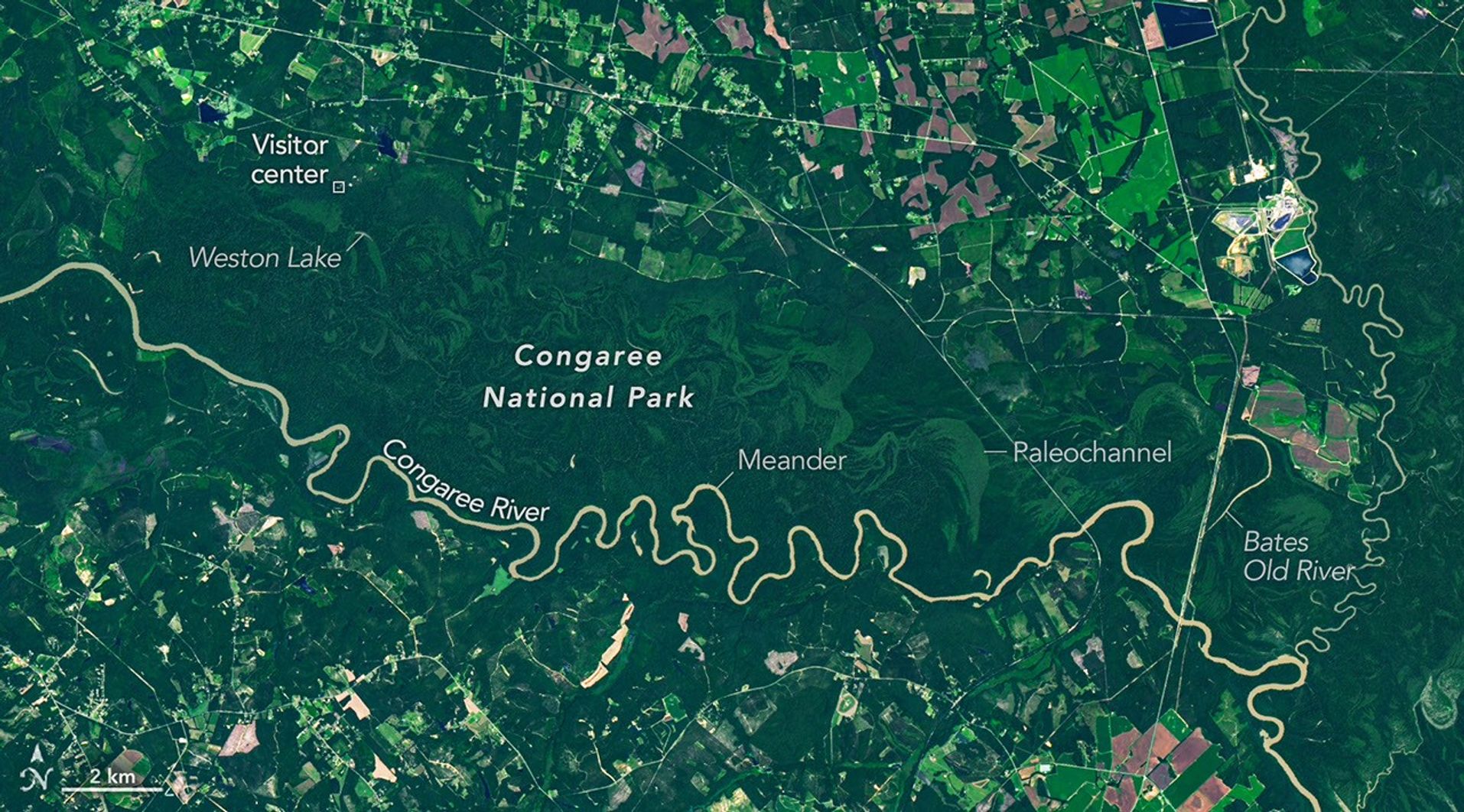
NASA’s Landsat 9 captured a striking view of the Congaree River winding through the floodplain forests of Congaree National Park, where 80 percent of the park lies within the river’s floodplain. The image shows how the river’s slow, meandering flow erodes outer banks, deposits sediment on inner bends, and creates oxbow lakes like Weston Lake and the long Bates Old River. These dynamic water features flood seasonally, spreading nutrient‑rich silt that feeds the park’s old‑growth bottomland hardwoods and supports some of the nation’s largest champion trees. The park’s unique combination of floodplain ecology and towering trees makes it a living laboratory for conservation and a highlight of Earth Observatory’s U.S. National Parks from Space collection.
NASA Invites Media to Turkey Artemis Accords Signing Ceremony
Original Publication Date: 2026-08-27 18:42

Turkey will become the 71st country to sign NASA’s Artemis Accords in a ceremony at Washington’s NASA Headquarters on Aug. 31, with NASA
Civil Servants Sworn in at NASA Ames
Original Publication Date: 2026-08-27 18:02
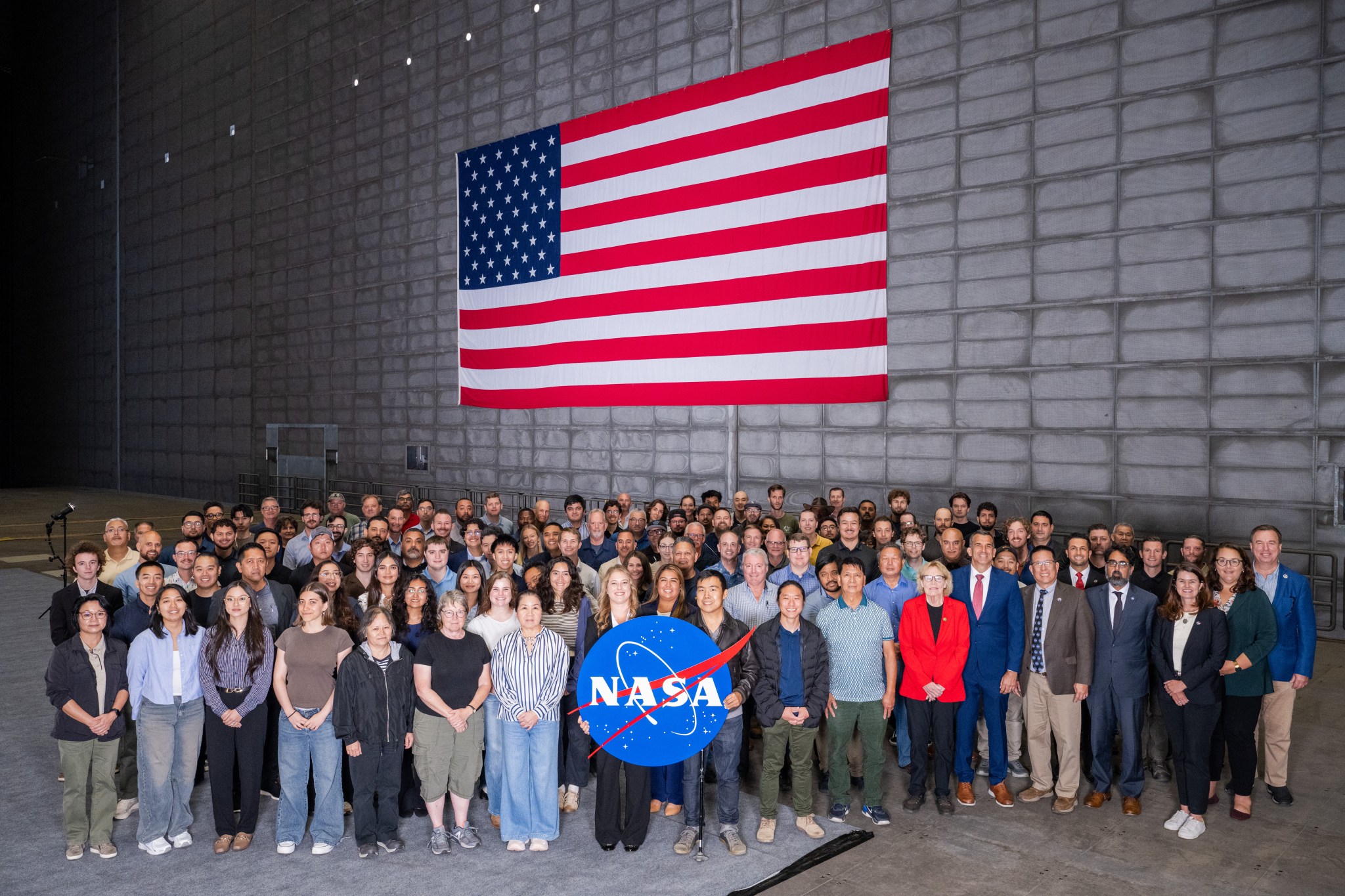
On August 24, 2026, NASA’s Ames Research Center in California’s Silicon Valley hosted the largest swearing‑in ceremony in its 87‑year history, welcoming new civil servants into the agency. The event featured a group photo with NASA and center leadership in the 80‑by‑120‑foot National Full‑Scale Aerodynamics Complex test section N221. The ceremony underscored Ames’ role in advancing aerodynamics research, including its renowned wind tunnels. For more on Ames’ wind tunnels, visit NASA’s website.
ICEYE Opens Three International Offices in a Single Week
Original Publication Date: 2026-08-28 05:37

Finnish SAR satellite maker ICEYE has opened new offices in the Netherlands, South Korea, and India this week, positioning itself to meet a surge in demand for sovereign satellite capabilities from governments and militaries. The expansion follows a €450 million investment that brings ICEYE’s total Series F funding to over €1 billion, and builds on recent openings in Portugal, Germany, and the UAE.
Canadian Companies Partner on SDA Sat Solution
Original Publication Date: 2026-08-27 22:44
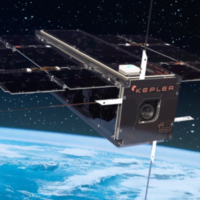
Montreal-based NorthStar Earth & Space is partnering with Toronto’s Kepler Communications to install space domain awareness sensors on Kepler’s spacecraft, aiming to expand their network for real‑time
Space Weather Losses to Double by 2035, Report Finds
Original Publication Date: 2026-08-27 12:55
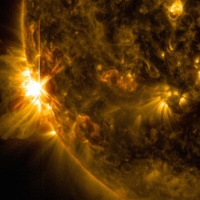
Space‑weather forecasters predict that solar storms could cost the global economy $20.65 billion in 2026, climbing to $44.27 billion by 2035, according to Mission Space. The surge is driven not by a more active sun, but by a growing fleet of satellites and space infrastructure now exposed to solar radiation. Power grids will take the largest hit—$12.88 billion in 2026 and $18.03 billion by 2035—followed by GNSS‑dependent services and space‑infrastructure losses that are projected to rise dramatically. Orbital and deep‑space sectors will account for 42 % of total damages, while lunar missions will face heightened radiation risks that could affect EVA schedules, power operations, and surface transport.
LeoLabs Wins $20.68M Space Force Award for Scout
Also covered by: SatNews
Original Publication Date: 2026-08-27 12:07
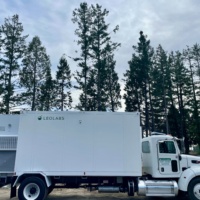
LeoLabs, a commercial radar analytics firm, has secured a $20.68 million Prototype Other Transaction Agreement with the U.S. Space Force to deliver a mobile Scout radar system roughly the size of a shipping container. The radar will enhance the military’s space domain awareness by tracking satellites, debris, and other objects in real time.
James Webb Space Telescope observes 72 stars and finds planet formation is a race against time
Original Publication Date: 2026-08-27 21:00
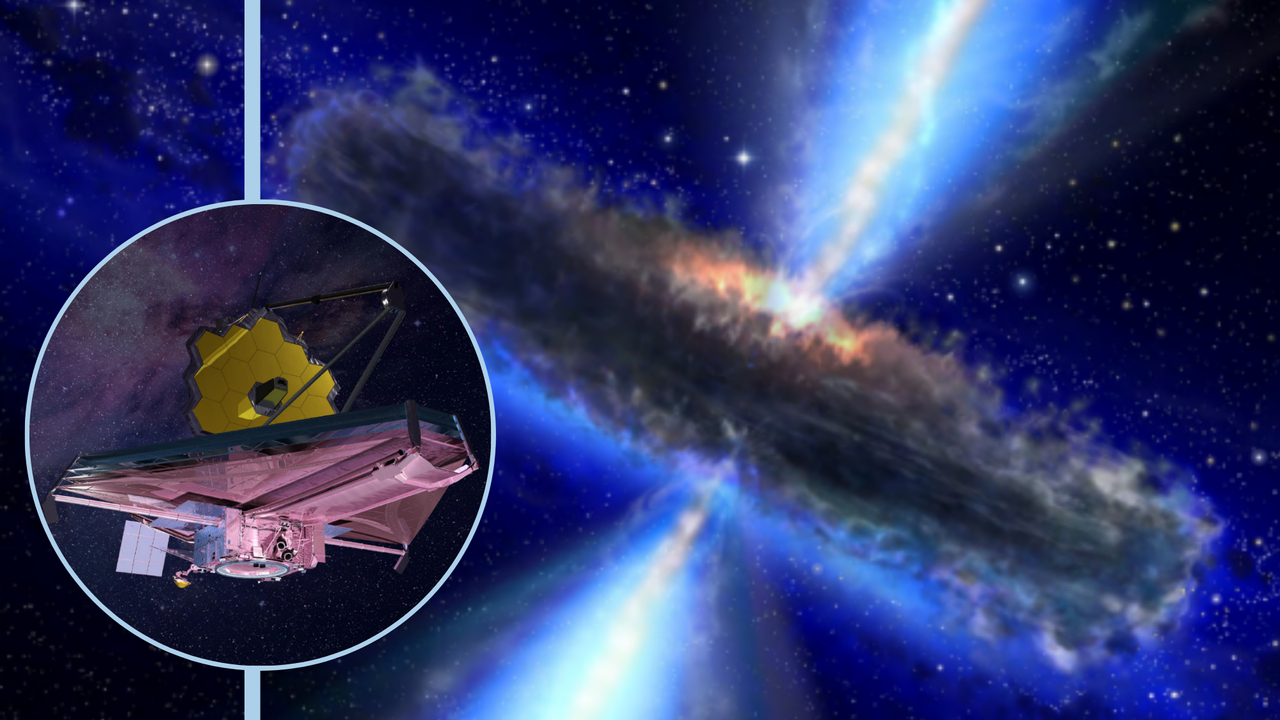
Astronomers using the James Webb Space Telescope have examined 72 young, sun‑like stars and discovered that planet formation is a race against time, as the gas and dust that build planets evaporates from protoplanetary disks. The study shows that early in a star’s life, powerful magnetically driven jets and winds strip material, while later high‑energy radiation from the star photoevaporates the remaining gas. Gas giants like Jupiter must assemble their massive atmospheres while the disk is still rich enough to supply them, or the opportunity to form such planets is lost. This research gives a clearer picture of how and when different types of planets can form around newborn stars.
Astronaut Jonny Kim leaves NASA, will return to active military duty
Also covered by: SatNews
Original Publication Date: 2026-08-27 19:02
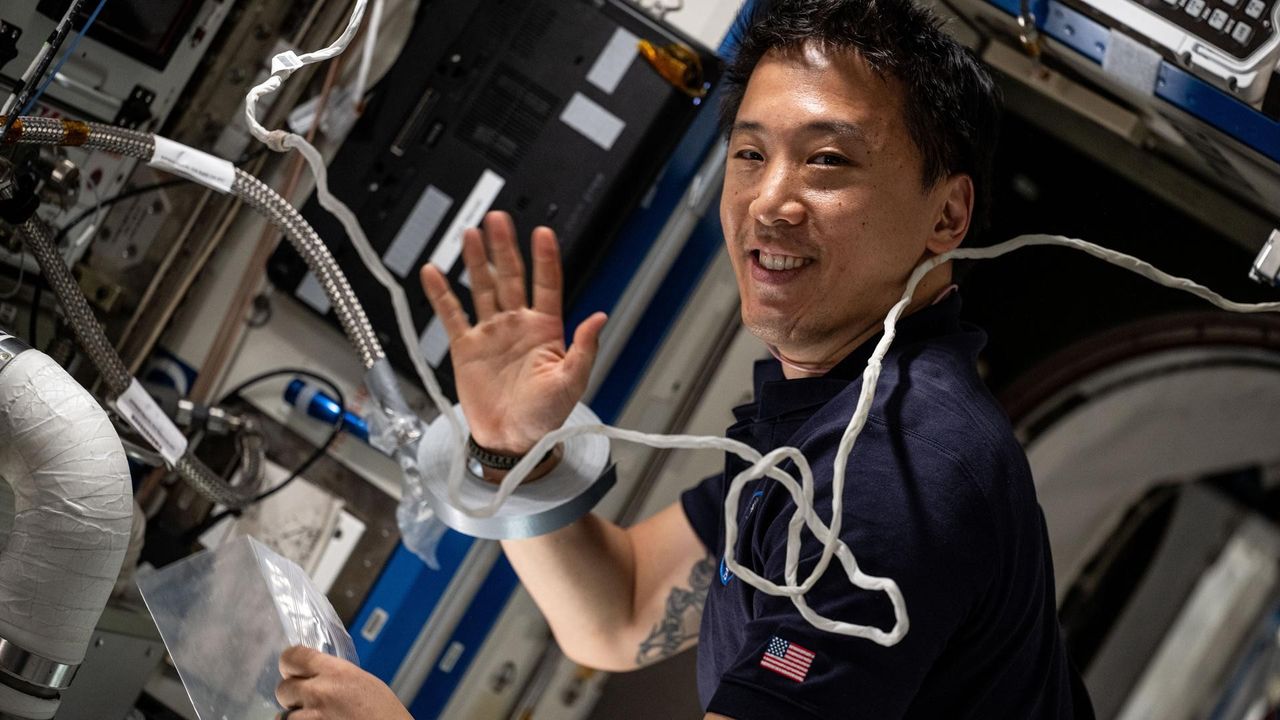
NASA announced on August 27 2026 that Lt. Cmdr. Jonny Kim, a 42‑year‑old former astronaut with a Harvard medical degree, Navy SEAL background, and naval aviator experience, has left the agency to resume full‑time active duty with the U.S. Navy. Kim flew a 245‑day mission to the International Space Station aboard a Soyuz in 2025, conducting scientific experiments and helping shape the Artemis program during his nine‑year NASA career. NASA officials praised his unique blend of medical, combat, and aviation expertise and noted his lasting impact on the agency. Kim said he looks forward to applying his spaceflight experience to future Navy missions and humanity’s broader future.
After failure of private rescue mission, NASA's Swift space telescope will crash back to Earth. But when and where?
Original Publication Date: 2026-08-27 18:00
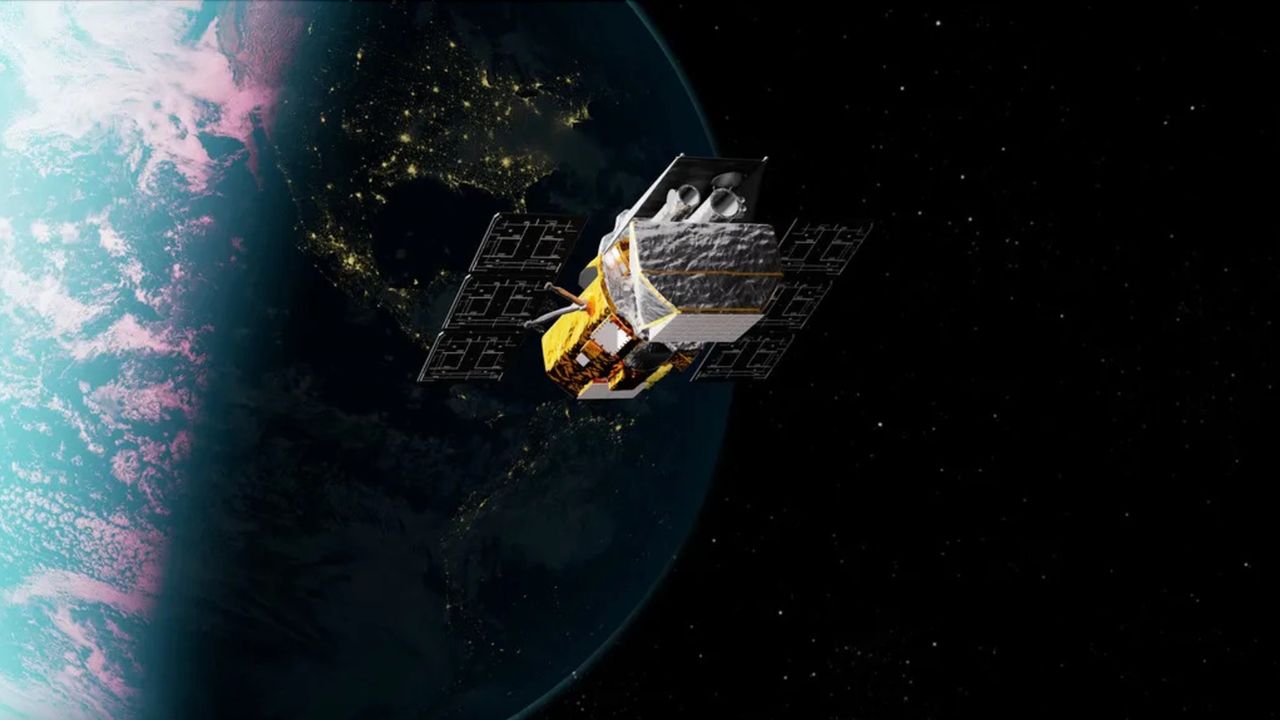
NASA’s aging Swift space telescope, which studied gamma‑ray bursts for 22 years, will soon reenter Earth’s atmosphere after a failed rescue attempt by Katalyst Space Technologies’ robotic craft LINK. The LINK mission suffered attitude‑control problems, preventing it from boosting Swift to a higher orbit and leaving the observatory to descend uncontrolled. NASA estimates most of Swift will burn up, with only a few components potentially surviving and likely falling into the ocean, though a small risk of debris reaching land exists. The agency expects reentry no earlier than October and will issue notifications as the event approaches.
Starship is coming home! SpaceX loads floating spacecraft onto huge ship in the Indian Ocean (photos)
Original Publication Date: 2026-08-27 16:45
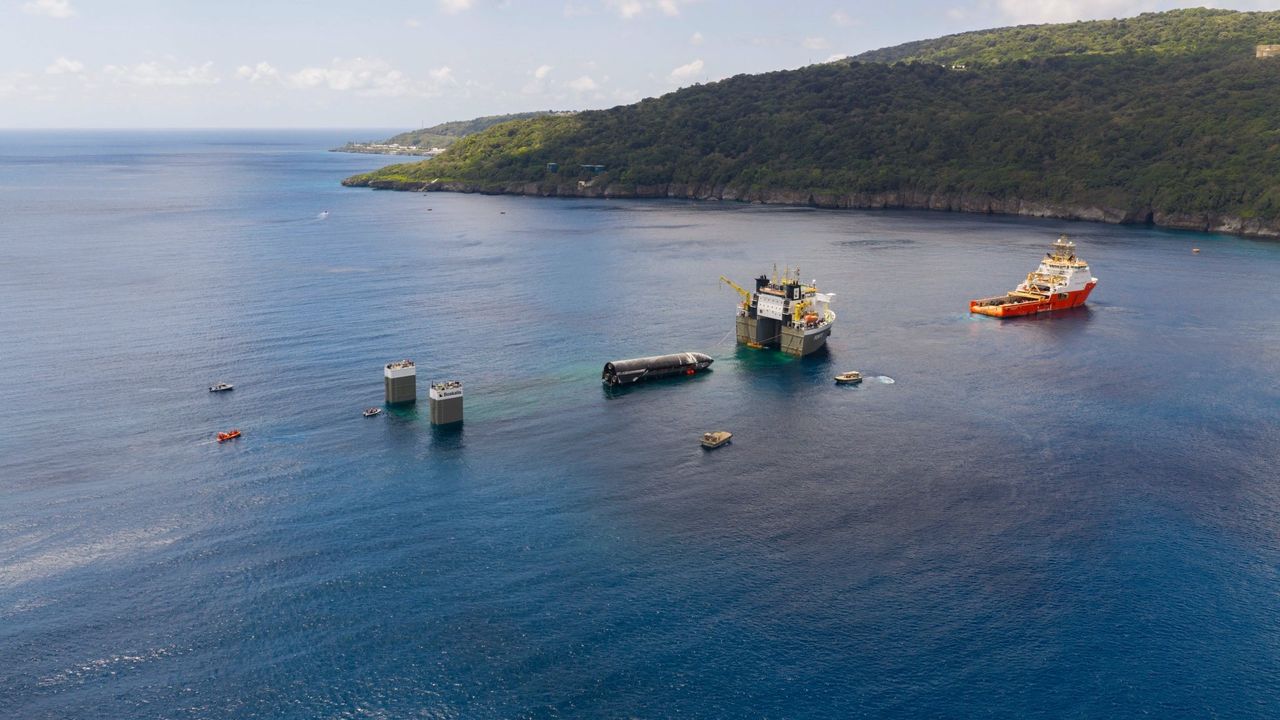
SpaceX has loaded the 171‑foot‑tall upper stage from its 13th Starship test flight onto a semi‑submersible vessel off Christmas Island. The vehicle, which survived a soft splashdown in the Indian Ocean—an unprecedented outcome for the program—will be towed back to Texas, a trip that could take several months. Engineers have already begun collecting heat‑shield samples and other data to refine future Starship designs. This marks a significant step forward for SpaceX’s goal of fully reusable rockets.
Trump tried to scrap NASA's Roman Space Telescope last year. Now it's ready to launch
Original Publication Date: 2026-08-27 15:00
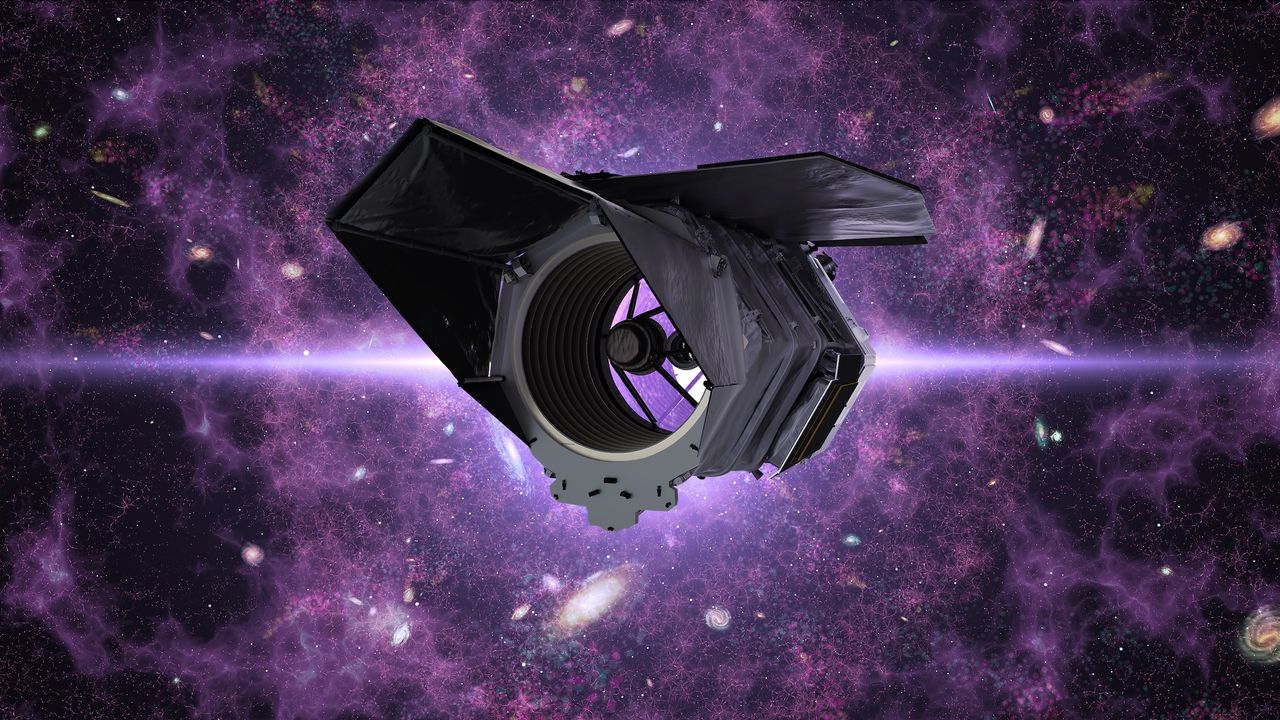
NASA’s Nancy Grace Roman Space Telescope, its flagship observatory, is set to launch Sunday, Aug. 30 atop a SpaceX Falcon Heavy from Kennedy Space Center. The $4‑billion mission, which will travel to the Sun‑Earth L2 point to study dark matter, exoplanets, and capture wide‑field images, nearly fell victim to a 24% budget cut proposed by President Trump last year.