 Spotify
 Apple Podcasts
 Podcast Addict
 Overcast
 Podcast RSS
Landspace aims to refly recovered Zhuque-3 booster within six months
Original Publication Date: 2026-08-21 08:54
Landspace, the Chinese commercial launch firm, plans to refly its Zhuque‑3 first‑stage booster within months after its historic vertical landing on August 18. The company’s representative confirmed the intent to reuse the recovered booster, aiming for a reflight in the near term. This marks a significant step toward sustainable rocket operations in the region.
New space transportation policy focuses on increased launch rates
Original Publication Date: 2026-08-20 23:30
The White House unveiled a revamped space transportation policy on Aug. 20, setting a target of 1,000 U.S. Launches and reentries a year by 2030, a sharp jump from just under 200 in 2025. The policy prioritizes upgrading launch infrastructure, opening the door for new launch sites, and establishing scheduling criteria to maximize use of federal ranges for both commercial and government missions. It also calls for rapid development of reentry locations, a workforce strategy, and the possibility of foreign launch providers using U.
Golden Dome chief touts progress as funding questions loom
Original Publication Date: 2026-08-20 23:02
Gen. Michael Guetlein flew to North Dakota to explain the Pentagon’s Golden Dome missile‑defense plan, a layered system that links existing and new sensors and interceptors to protect the homeland from ballistic, hypersonic and drone threats.
Elve qualifies millimeter-wave amplifiers for spaceflight
Original Publication Date: 2026-08-20 22:51
California startup Elve has achieved spaceflight qualification for its 100‑watt millimeter‑wave traveling wave tube amplifier platform, a milestone backed by U.S. Space Force Small Business Innovation Research funding. The qualification demonstrates the amplifier’s readiness for high‑frequency communications and radar applications in orbit. Elve’s technology promises to enhance spaceborne data links and signal processing with superior power and bandwidth. This achievement positions the company as a key player in the emerging space electronics market.
SpaceWERX selects 11 firms to scale technologies for military space
Original Publication Date: 2026-08-20 21:44
SpaceWERX has announced the award of a new round of STRATFIs to 11 firms, including Agile Space Industries, Antares Nuclear, EO Solutions, Hydrosat, Kall Morris, Method Security, Muon Space, Scout Space, Sedaro, Star Catcher Industries and ThinkOrbital. These companies will receive funding and support to scale their technologies for military space applications. The initiative aims to accelerate innovation in defense‑related space solutions. This marks a significant step in bolstering the U.S. Military’s space capabilities.
Last-minute abort stalls Cape Canaveral Starlink mission
Original Publication Date: 2026-08-20 09:10
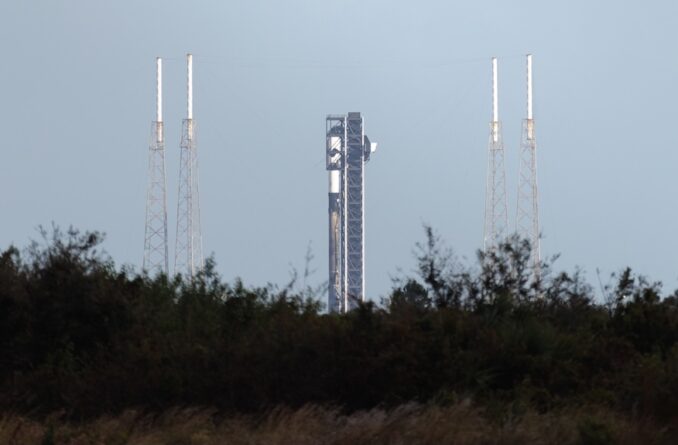
SpaceX scrubbed its Starlink 6‑61 launch on Thursday, aborting the countdown in the last 30 seconds with no explanation given. The 75th batch of Starlink satellites for the year will instead launch as mission Starlink 10‑39, adding 29 broadband satellites to the constellation. A possible launch on Friday, August 21, faces an 80 % favorable weather outlook at the start of the window, though showers and storms along the sea breeze could reduce the probability later. If the Falcon 9 booster B1078 lifts off, it will make its 30th flight and aim for a drone‑ship landing off South Carolina, marking the 652nd Falcon booster touchdown for SpaceX.
Orbital Data Center Constellations Face Scrutiny Over Atmospheric Re-entry Pollution and Space E-Waste
Original Publication Date: 2026-08-20 17:43
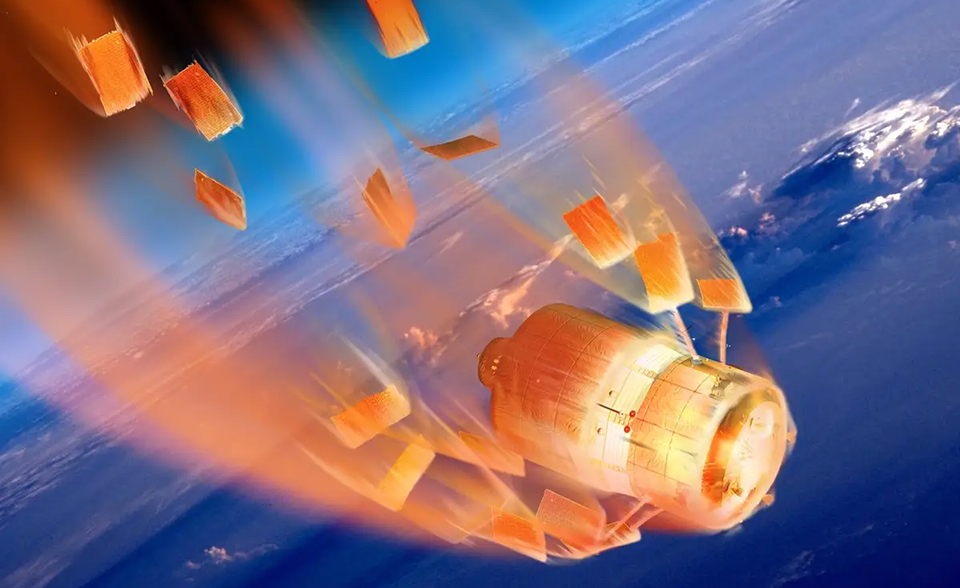
An environmental study released on August 20, 2026 examined filings from commercial orbital computing firms, warning that future mega‑constellations aimed at space‑based AI could generate significant long‑term e‑waste and upper‑atmosphere pollution. The analysis highlighted how discarded satellite components and debris could accumulate, potentially damaging the ozone layer and disrupting atmospheric chemistry. Experts call for stricter regulations and recycling protocols to mitigate these risks before the launch of large AI‑processing constellations. The report urges policymakers to act now to protect both the planet and the burgeoning space industry.
Muon Space Reaches $1.5 Billion Valuation Following $250 Million Series C Round
Original Publication Date: 2026-08-20 17:36
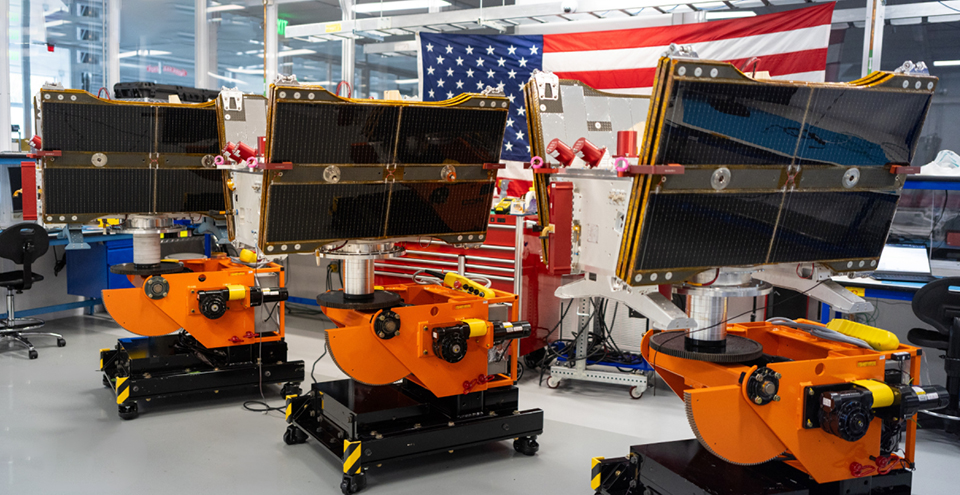
On August 20, 2026, satellite manufacturer Muon Space announced a $250 million Series C funding round that values the company at $1.5 billion. The new capital brings the firm closer to its goal of expanding its satellite constellation across the globe.
United Launch Alliance Upsizes Private Bond Offering to $1.5 Billion to Fund Infrastructure Expansion
Original Publication Date: 2026-08-20 15:54
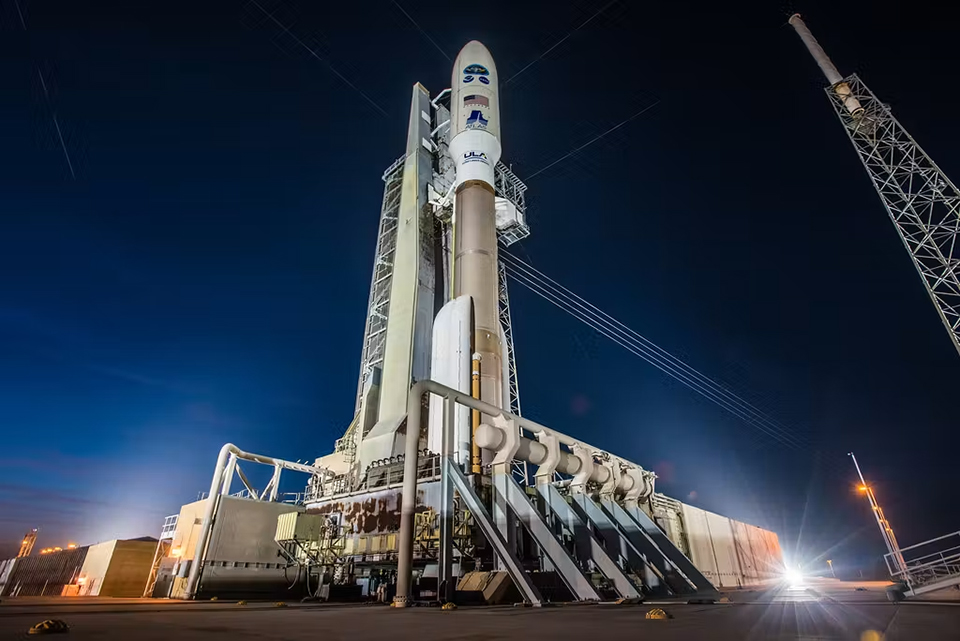
United Launch Alliance announced on August 20, 2026 that it had launched a $1.5 billion private bond placement to fund the expansion of its launch infrastructure and increase production capacity for its heavy‑lift vehicles.
Artificial Intelligence Integrations Drive Satellite Data Analytics Toward 14.2 Percent Annual Growth
Original Publication Date: 2026-08-20 14:48

On August 20, 2026, market intelligence reports revealed that the satellite data analytics sector is expanding at a robust 14.2 % compound annual growth rate. This surge reflects growing demand for real‑time space‑based insights across defense, agriculture, and environmental monitoring. Analysts attribute the growth to advancements in sensor technology, lower launch costs, and the rise of edge computing. The trend signals a bright future for companies delivering actionable intelligence from orbit.
INNOSPACE Terminates Initial Flight Test of SEBIT Suborbital Rocket Following Trajectory Anomaly
Original Publication Date: 2026-08-20 14:28
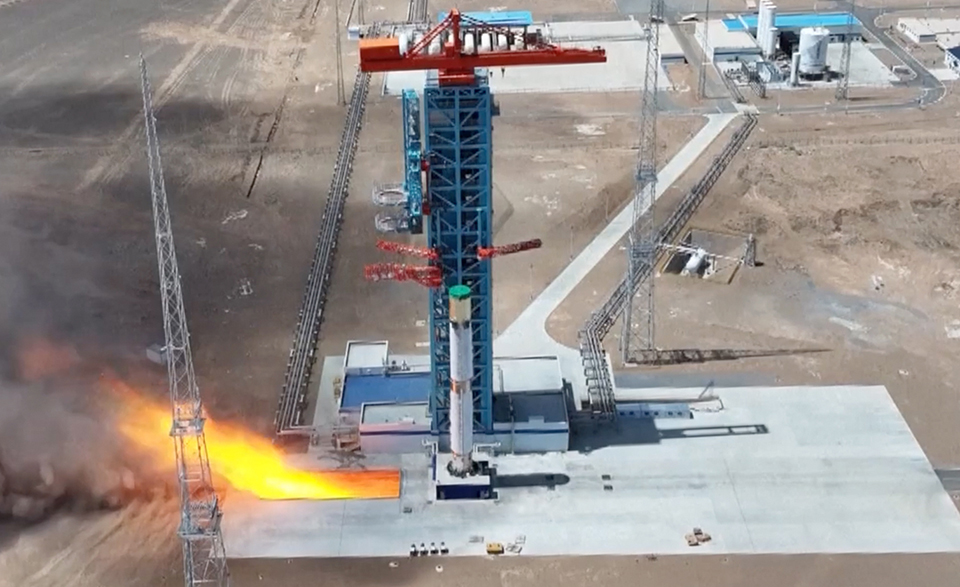
On August 20, 2026, South Korean launch provider INNOSPACE announced that the Brazilian Air Force activated the Flight Termination System during the first test flight of its SEBIT rocket. The activation indicates that the vehicle experienced a critical deviation or malfunction, prompting an emergency shutdown to safeguard the launch site and surrounding area. This event marks a milestone in the collaboration between South Korea and Brazil, highlighting the importance of rigorous safety protocols in commercial spaceflight. The incident underscores the challenges of bringing new launch vehicles to operational status while maintaining stringent safety measures.
SmallSat 2026
Original Publication Date: 2026-08-20 20:05
NASA’s SmallSat 2026 event will showcase the agency’s latest small satellite technologies and partnership opportunities, with exhibits at booths 635, 835, 641, and 940 featuring storytelling by NASA experts. The conference, running Monday Aug 24 through Wednesday Aug 26, offers a packed agenda of panels, workshops, and launch‑opportunity discussions, covering topics from supply‑chain observations to robotic missions and reboost strategies. Key sessions include “Smallsats by the Numbers: 2026,” “From Rideshare to Dedicated Launches,” and “Science as a Service: What SmallSat Providers Need to Know.” Attendees can explore innovative payload concepts, launch‑cycle best practices, and collaborative mission design with industry leaders and NASA centers.
Artemis Mission Patches
Original Publication Date: 2026-08-20 15:13
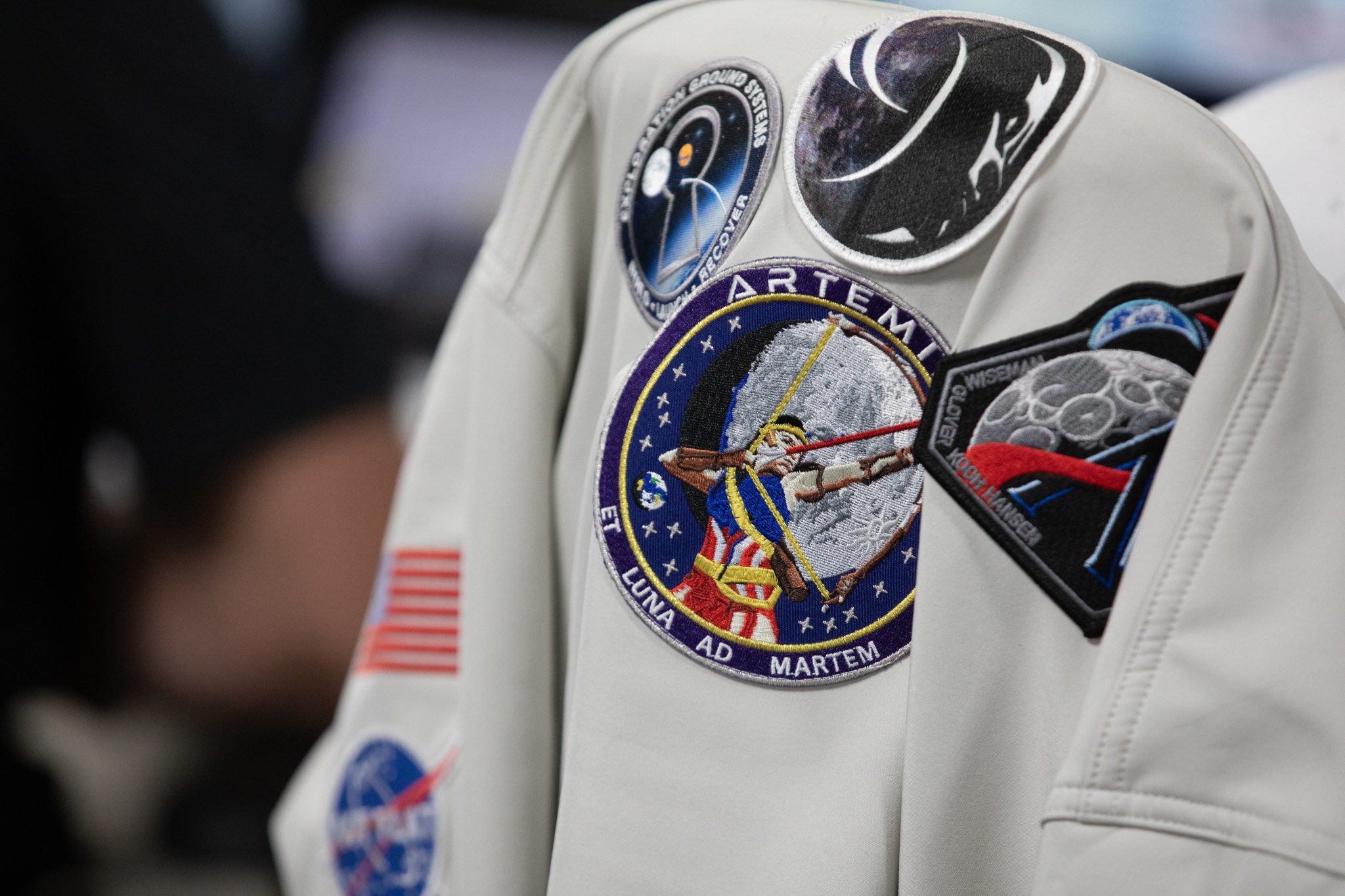
NASA’s Launch Control Center at Kennedy Space Center hosted a terminal countdown simulation for Artemis III on August 6, 2026, showcasing the final five hours of launch preparation. The exercise, led by the Exploration Ground Systems team, tested the spacecraft’s critical systems that will be essential for future lunar landings starting with Artemis IV. A chair in the control room displays patches from Artemis I and II, reminding crews of the program’s historic milestones. The simulation underscores NASA’s continued commitment to safely returning humans to the Moon.
NASA Selects University Teams to Help Advance Aviation Research
Original Publication Date: 2026-08-20 14:57

NASA has awarded $30 million to four university teams through its University Leadership Initiative, focusing on supersonic propulsion, AI‑enabled avionics, low‑noise urban flight paths, and uncertainty‑driven aircraft design. These four‑year projects aim to accelerate high‑speed commercial aircraft, safely integrate machine learning into flight systems, reduce city noise from future urban air mobility vehicles, and streamline design with advanced modeling tools. The initiative supports student‑led teams, fosters collaboration with industry and federal agencies, and strengthens the U.S. Aeronautics workforce. NASA’s investment underscores its commitment to transforming aviation for speed, safety, and sustainability.
The View from Above: The Gemini Visual Acuity Experiments
Original Publication Date: 2026-08-20 14:30
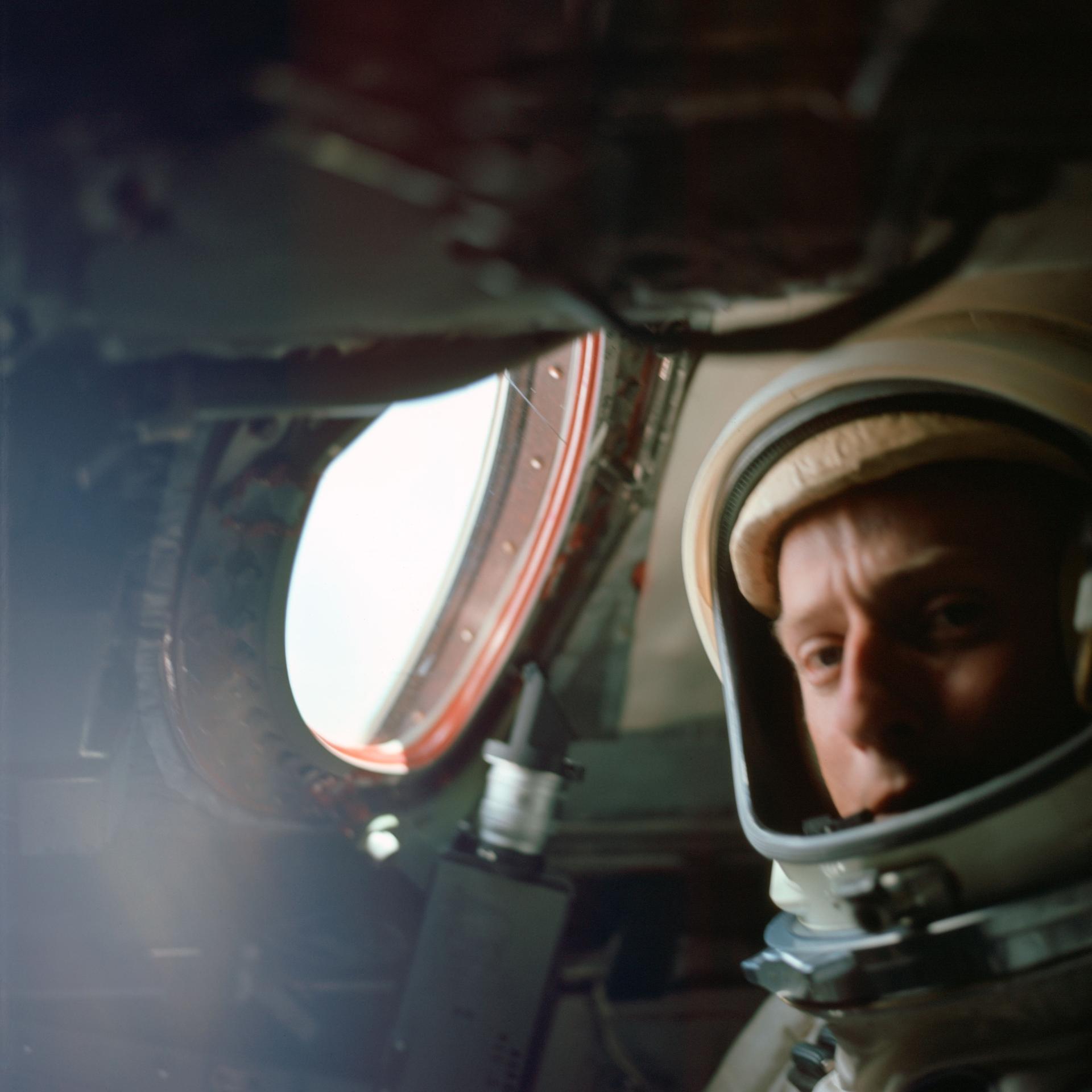
NASA’s Gemini V and VII crews conducted the first in‑flight visual acuity tests to verify claims that astronauts could see fine detail from 100 miles up, and the experiments confirmed they could indeed spot roads, ships, and other features on Earth. The tests, which used large “Eye‑Q” charts and a binocular‑style viewer, also showed that an astronaut’s vision remained stable over the two‑week missions. While early skepticism—ranging from doubts about the astronauts’ eyesight to psychiatrists warning of hallucinations—surrounded the reports, the data proved the observations were genuine. These findings helped spur the development of Earth‑observation satellites like Landsat, which now monitor everything from crops to natural disasters from orbit.
Op-ed: The Technologies That Could Define the Future of Space
Original Publication Date: 2026-08-21 05:46
SpaceX’s reusable first‑stage boosters slashed launch costs, turning spaceflight from a rare event into a routine service and enabling rideshare missions that accelerate the deployment of small satellites.
Muon Space Raises $250M Series C
Original Publication Date: 2026-08-20 13:45
Muon Space has closed a $250 million Series C round led by Eclipse Capital, boosting its total equity to over $386 million to expand satellite production and broaden mission types. The company has already launched 11 satellites since 2021, including two customer constellations, and now plans to scale its San Jose facility to 500 launches per year by 2027. With the new funding, Muon will double its production capacity and invest in advanced payloads such as the Condor‑Ultra platform, aiming to serve both current customers and emerging markets like on‑orbit compute and high‑bandwidth communications. This infusion positions Muon to accelerate its $10 billion-plus pipeline and cement its role as a full‑service spacecraft provider.
Portal Books Dedicated Falcon 9 Amid Constrained Launch Market
Original Publication Date: 2026-08-20 13:00

Portal Space Systems has purchased an entire SpaceX Falcon 9 to launch its Motus Via Sol 2028 mission, with CEO Jeff Thornburg planning to use half the fairing for its own Supernova bus powered by the FLARE solar‑thermal system. The remaining half will be offered to rideshare customers through launch integrator Maverick Space Systems, giving Portal flexibility and a steady launch future amid a constrained market. Thornburg highlighted the company’s maneuverability in orbit as a key advantage, allowing it to accommodate additional passengers after deployment. The first flight will partner with the Space Force, and Portal is also preparing its Starburst‑1 demo for an October rideshare launch.
China's Chang'e 7 moon probe will launch this weekend on the most ambitious lunar mission in history
Original Publication Date: 2026-08-20 21:00

China’s Chang’e‑7, set to launch this weekend on a Long March 5 Y14 from Wenchang, will carry an orbiter, lander, rover and hopper to the rim of Shackleton Crater at the Moon’s south pole. The mission will deploy a wide array of international instruments—including Russian dust detectors, Italian laser retroreflectors, and a Bahrain‑Egyptian hyperspectral camera—to map the lunar surface and search for hidden water ice. By conducting orbit, landing, roving and hopping operations, Chang’e‑7 aims to establish the first Chinese human landing on the Moon by 2030. This ambitious, multi‑national effort marks the most complex robotic lunar mission ever attempted by any nation.
SpaceX will try for 1st Starship tower catch 'in a few months,' Elon Musk says
Original Publication Date: 2026-08-20 20:30
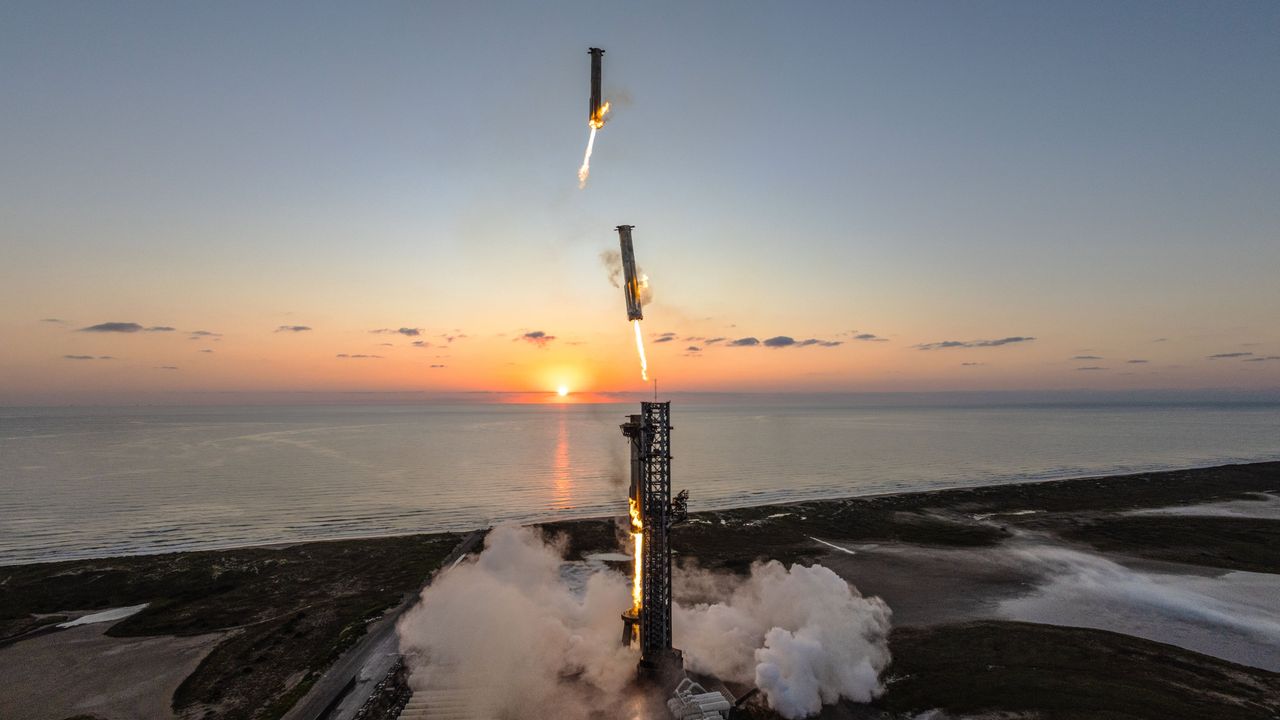
SpaceX is pushing to catch its Starship upper stage on the launch tower, but the attempt has been pushed back to a few months from the initially planned late‑August flight. Elon Musk said the catch would likely occur after the company secures FAA approval and the first reflight of the vehicle is scheduled for the end of 2026 or early 2027. Even without the tower catch, Flight 14 will mark Starship’s first orbital flight, a milestone the company has never achieved before. The delay underscores the technical and regulatory challenges of retrieving the massive upper stage, but SpaceX remains confident in its reusable design.
Microbes from Earth may survive on the moon, scientists find
Original Publication Date: 2026-08-20 20:00
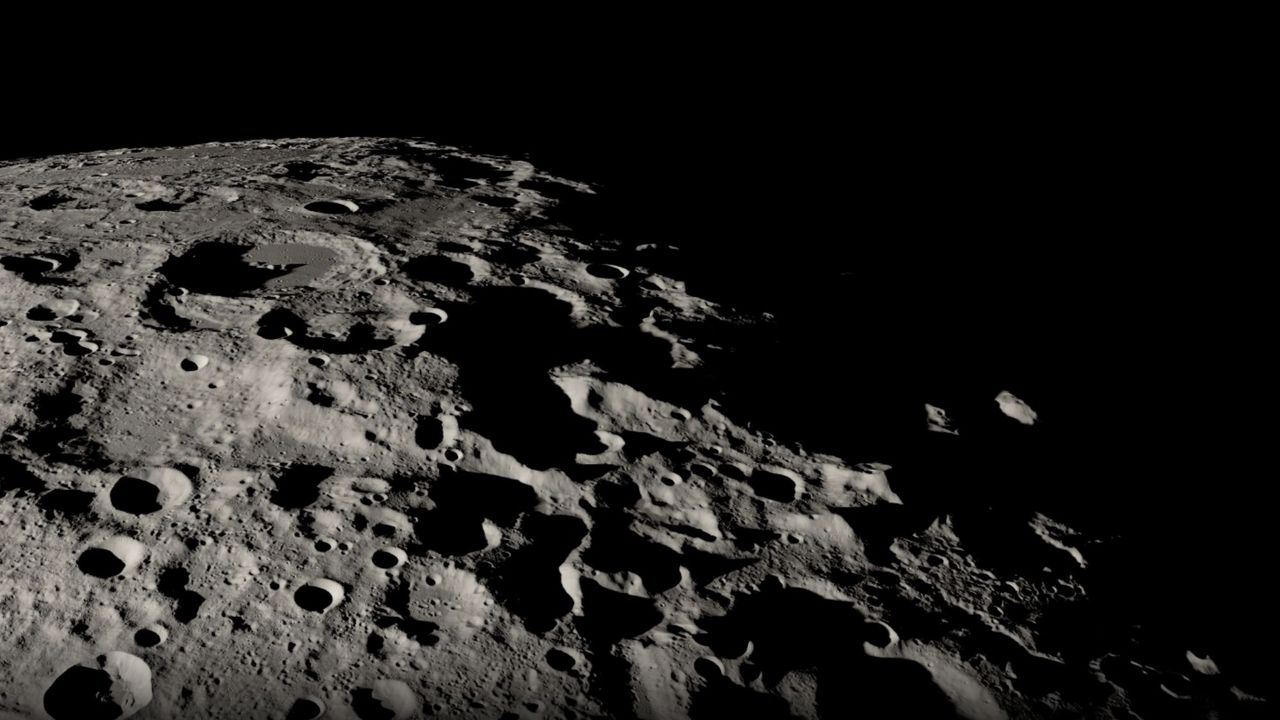
Scientists have discovered that microbes from Earth could survive on the Moon’s surface, particularly at the poles, by entering a state of suspended animation known as cryptobiosis. The study shows that even small sheltered areas—such as a bootprint or rover tread—could provide the protection needed to keep these hardy bacteria and fungi alive. With NASA’s Artemis III mission slated to explore the lunar south pole, the findings underscore the importance of preventing unintended biological contamination and may prompt the creation of a lunar quarantine facility. This research highlights the Moon’s potential as a natural freezer for preserving evidence of Earth’s ancient life.
Mars Express orbiter captures detailed new video of the crater where Mark Watney was stranded in 'The Martian'
Original Publication Date: 2026-08-20 16:58
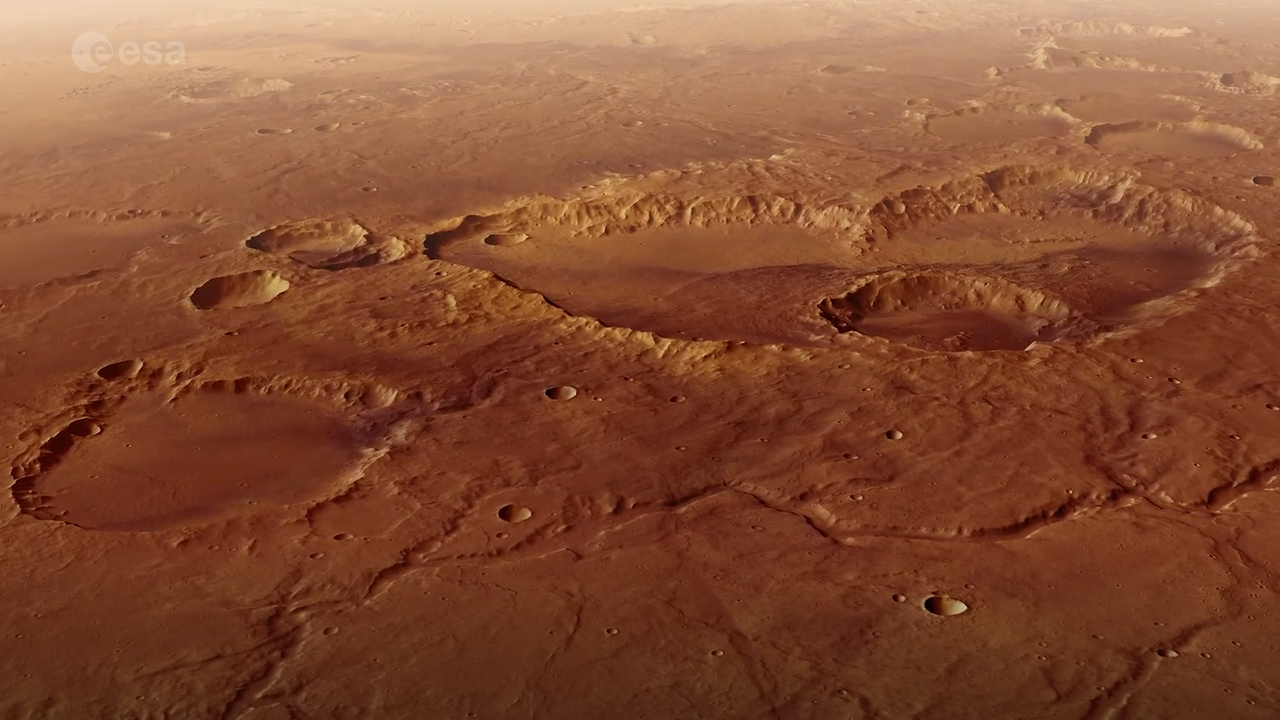
Europe’s Mars Express orbiter has released a stunning new video of Schiaparelli Crater, one of the planet’s largest impact sites, measuring over 285 miles across. The high‑resolution stereo camera captured the crater’s ancient water‑shaped valleys and layered sediments, revealing a landscape sculpted billions of years ago. The footage also highlights the crater’s pop‑culture fame as the fictional home of Mark Watney in “The Martian.” This imagery enriches scientists’ 3‑D maps of Mars, deepening our understanding of the Red Planet’s past climate.
On this day in space! Aug. 20, 1977: Voyager 2 launches to the outer planets
Original Publication Date: 2026-08-20 14:00
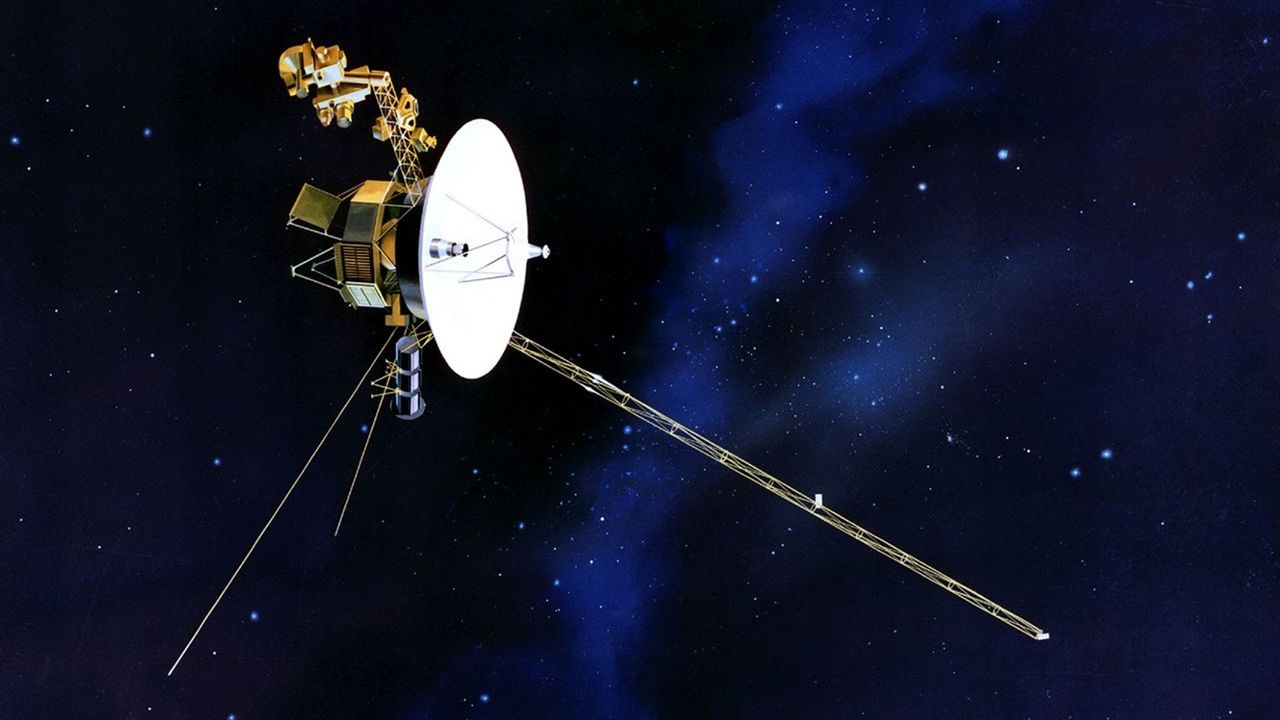
On August 20, 1977 NASA launched Voyager 2 to explore the outer planets, taking advantage of a rare planetary alignment that let the probe visit Jupiter, Saturn, Uranus and Neptune. It remains the only spacecraft to have visited all four gas giants and the only one to have traveled past Uranus and Neptune, completing a 12‑year mission before entering interstellar space in 2018. Now over 48 years old, Voyager 2 continues to transmit data from three functioning instruments, with engineers trimming power use as its plutonium supply wanes. Its dramatic discoveries—such as nitrogen geysers erupting from Neptune’s moon Triton—continue to reveal the dynamic nature of the outer Solar System.