 Spotify
 Apple Podcasts
 Podcast Addict
 Overcast
 Podcast RSS
Bulgaria advances project to launch new space, defense innovation hub
Original Publication Date: 2026-08-14 09:00
Bulgaria’s government has approved a draft memorandum of understanding with local firm Starbase Europe to co‑create a new space and defense innovation hub. The partnership aims to attract cutting‑edge research and investment, positioning Bulgaria as a key player in European aerospace and defense. The project will bring advanced facilities, talent development and collaboration with international partners to the region. The initiative underscores Bulgaria’s growing commitment to high‑tech industry growth.
In-Orbit Services Market to Generate $3 Billion in Revenue Over the Next Decade
Original Publication Date: 2026-08-14 09:00
Novaspace’s latest In-Orbit Services Markets report forecasts that emerging in-orbit services will bring in roughly $3 billion in revenue over the next ten years. The projection underscores the rapid growth and early development of satellite servicing, refueling, and on‑orbit manufacturing. Analysts note that the market is still in its infancy but poised for significant expansion. This growth could reshape the space economy in the coming decade.
CesiumAstro buys semiconductor specialist to boost constellation plans
Original Publication Date: 2026-08-14 02:24
CesiumAstro has announced the acquisition of semiconductor specialist Jariet Technologies, a move that will strengthen its in‑house capabilities as the company advances its phased‑array antenna plans for a future communications constellation. The deal brings Jariet’s expertise in chip design and manufacturing into CesiumAstro’s portfolio, positioning the firm to accelerate development of its next‑generation satellite network. By integrating Jariet’s technology, CesiumAstro aims to streamline production and reduce reliance on external suppliers for critical components. The acquisition underscores the growing trend of space companies consolidating to build more robust, vertically integrated infrastructure.
Space Force awards five companies $60 million for multi-vendor satellite network tests
Original Publication Date: 2026-08-13 22:00
Space Force awards $60 million to five companies to demonstrate how satellites can connect. Work will test connections between commercial satellite systems and the Space Data Network. SpaceX in May won a $2.29 billion contract to build the Space Data Network Backbone. The SDN is a planned mesh communications architecture in low Earth orbit.
Space Command expands Alabama footprint as headquarters relocation advances
Original Publication Date: 2026-08-13 16:27
Five years after a heated political battle, U.S. Space Command is finally moving into a new headquarters in Huntsville, Alabama, with construction underway at Redstone Arsenal. Gen. Stephen Whiting will split his time between the temporary office in Huntsville and the existing base in Colorado Springs, where the command’s Joint Operations Center remains until the new facility is finished. The move will bring roughly 1,800 personnel into a 64‑acre complex by 2031, with about half the staff already stationed in Huntsville and the rest gradually relocating as construction progresses. The Pentagon has earmarked nearly $1 billion for the project, aiming to treat the construction like a commercial development to speed up timelines and cut costs.
Silicon Valley Space Week Speaker Focus: Robert Cardillo, Planet Federal
Original Publication Date: 2026-08-13 20:01

From March through July, a White House request—not a shutter control order—kept high‑resolution commercial imagery of Iran off the public market, limiting access for
Lunar Station Corp Integrates NASA Datasets to Model Commercial Surface Infrastructure
Original Publication Date: 2026-08-13 18:05
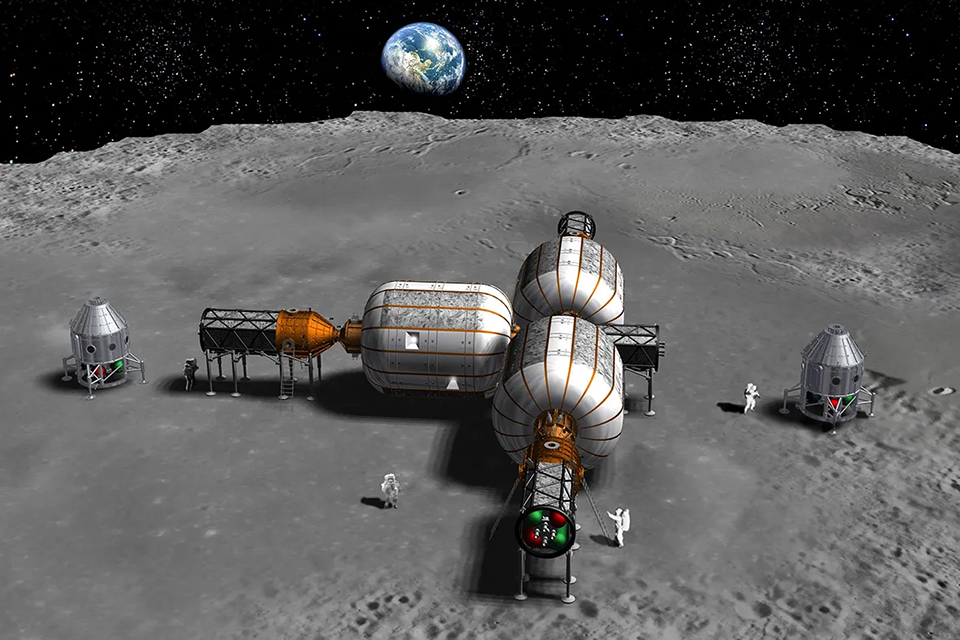
On August 13, 2026, Lunar Station Corp announced that its MoonStation platform now incorporates NASA environmental datasets and software models, providing a more comprehensive view of lunar conditions. The company converted public orbital data into a unified format, enabling real‑time analysis of surface temperature, radiation, and regolith properties. This integration is expected to support future commercial lunar missions and scientific research. The move positions Lunar Station as a leading provider of lunar intelligence solutions.
Fortastra Appoints Former Space Systems Command Executive Scott Klempner as National Security Product Director
Original Publication Date: 2026-08-13 14:20
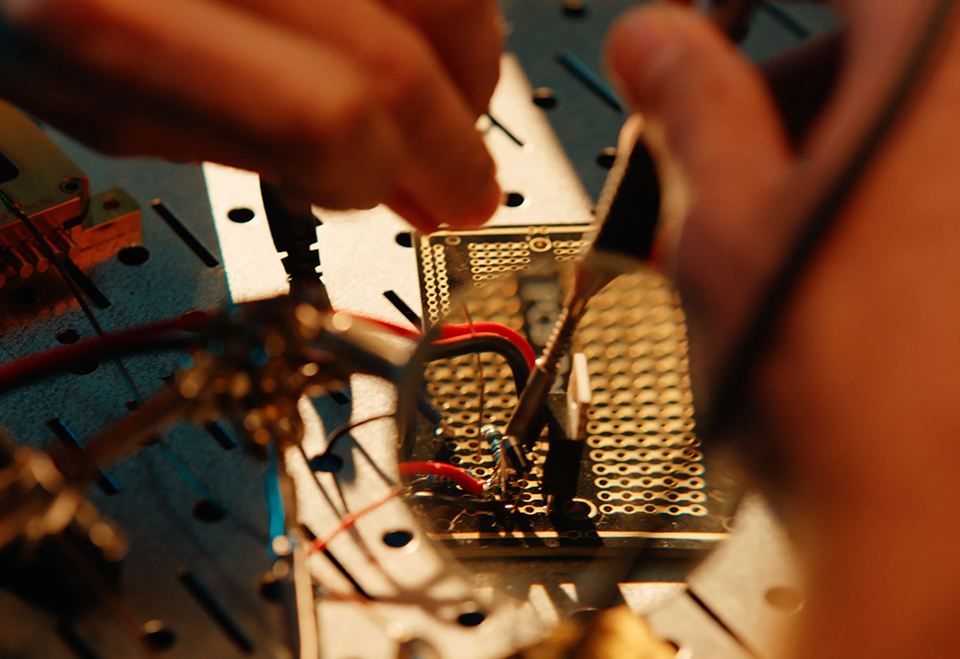
Fortastra Corp, a Los Angeles‑based space systems developer, announced on August 13, 2026 that Dr. Scott Klempner would serve as Director of Product for National Security. Klempner brings two decades of experience in defense technology, having led product teams at major aerospace firms. The appointment signals Fortastra’s commitment to expanding its national security portfolio amid growing demand for advanced space‑based solutions. With his expertise, the company aims to accelerate the development of cutting‑edge products that enhance U.S. Defense capabilities.
KRYTAR Introduces Two Ultra-Broadband Directional Couplers for 7 to 24 GHz Range
Original Publication Date: 2026-08-13 13:57

Microwave component maker KRYTAR, Inc. Unveiled two new wideband directional couplers on August 12, 2026, capable of operating across the 7 to 24 GHz range that spans the entire C‑band through K‑band spectrum. These couplers promise improved performance and flexibility for high‑frequency applications such as radar, satellite, and telecommunications systems. KRYTAR highlights the devices’ low insertion loss and high isolation, making them attractive for demanding RF designs. The launch underscores the company’s commitment to advancing next‑generation microwave technology.
Perseids Meteor Shower
Original Publication Date: 2026-08-13 15:08
NASA’s Bill Dunford captured Orion flanked by two Perseid meteors on August 12, 2018, at Cedar Breaks National Monument in Utah.
Exclusive: Space Kinetic Awarded $50M for Space Maneuverability
Original Publication Date: 2026-08-13 12:30
Space Kinetic has secured a $50 million award from the U.S. Space Force to build its Whirlwind maneuverability system, a first for the company. Whirlwind will use centrifugal acceleration to sling rugged microsatellites from a host spacecraft, giving them the initial velocity needed without a traditional rocket engine.
How to Pitch the Space Force: Green and Red Flags
Original Publication Date: 2026-08-13 10:42

The article titled “How to Pitch the Space Force: Green and Red Flags” is available only to subscribers of Payload Pro and Payload. It focuses on identifying key indicators—both positive and warning signs—when presenting proposals to the U.S. Space Force.
NASA astronaut Mike Fincke retires after 30 years at the space agency
Original Publication Date: 2026-08-13 21:00
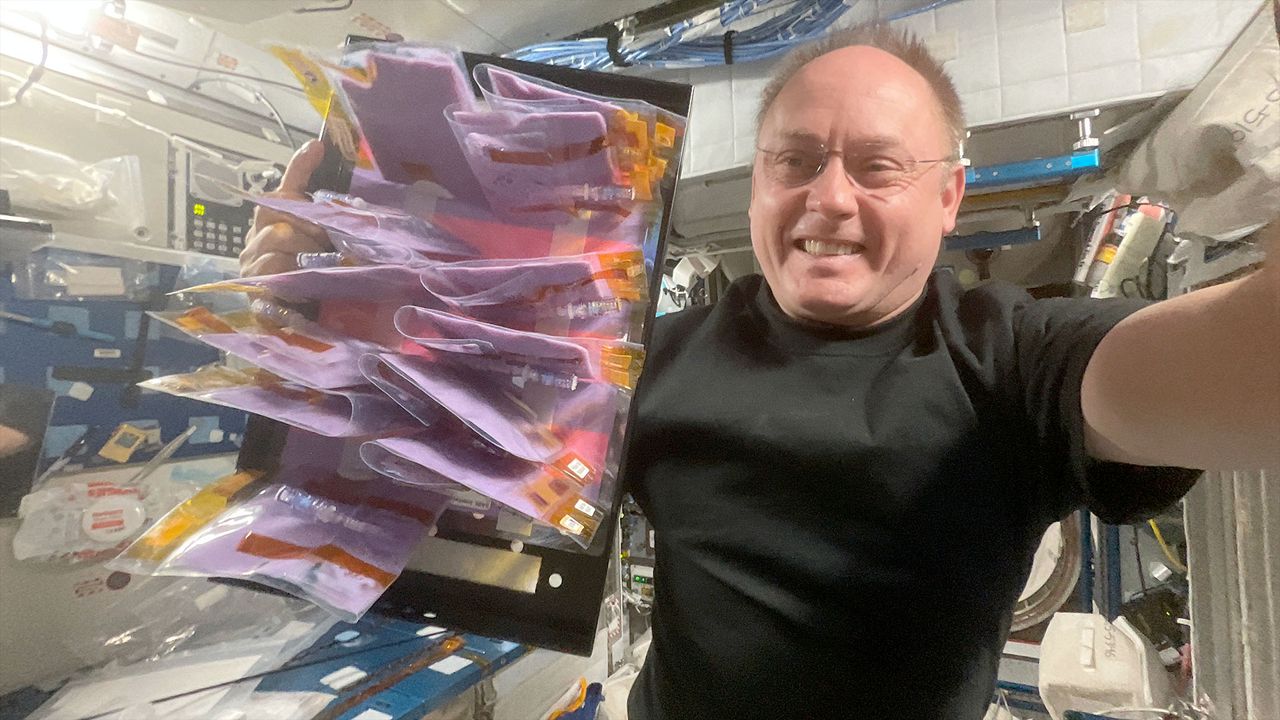
NASA astronaut Mike Fincke has announced his retirement after a 30‑year career that includes four spaceflights, nine spacewalks and a cumulative 549 days in orbit, making him the agency’s fourth‑most‑flown astronaut. Fincke served twice as commander of the International Space Station, led the final shuttle mission to the ISS and helped develop SpaceX’s Crew Dragon and Boeing’s Starliner. His most recent assignment, the Crew‑11 mission launched in August 2025, was cut short by a medical issue that forced an early return to Earth.
Supermassive black hole spews energy 300,000 light years into deep space
Original Publication Date: 2026-08-13 20:00
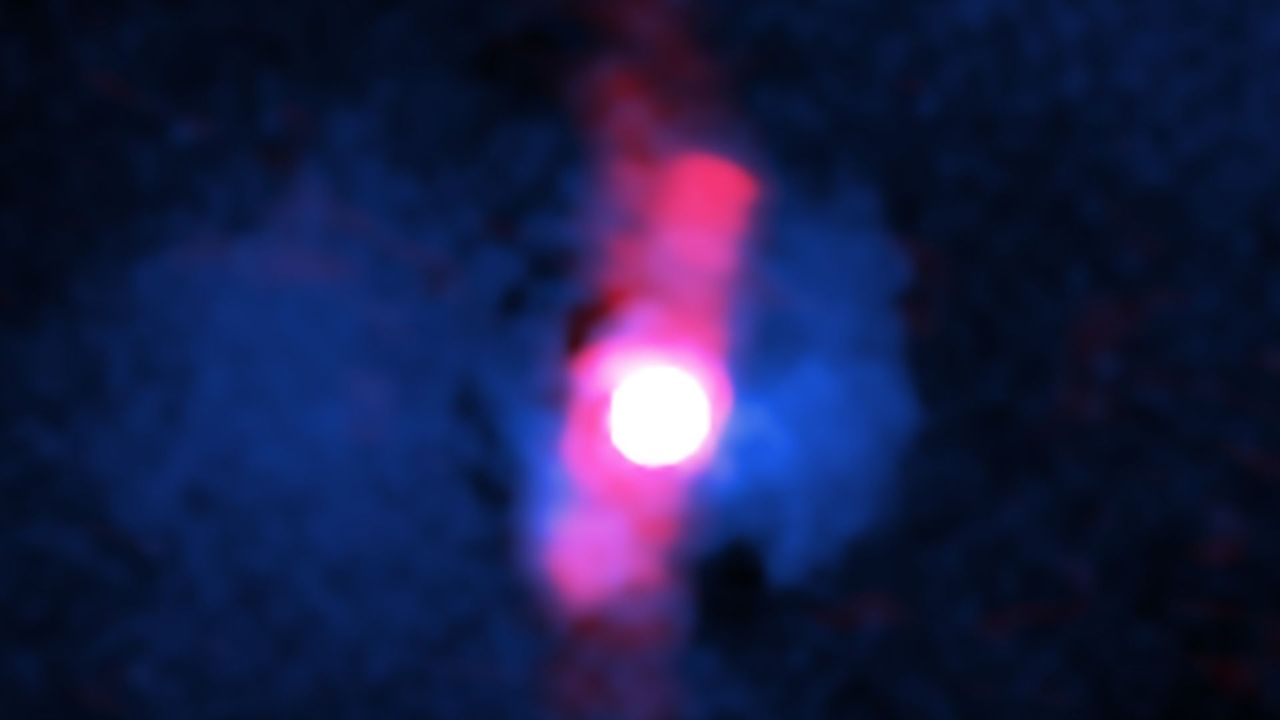
Scientists have discovered that supermassive black holes can eject powerful winds that reach far beyond their host galaxies. A study of the quasar H1821+643, located 3.4 billion light‑years away, found outflows 100 times stronger than previously thought, injecting energy comparable to billions of supernovae across 300,000 light‑years. These winds stir hot gas and create turbulence, showing that black holes shape the intergalactic medium. The findings, published in Nature Astronomy, highlight the dual role of black holes as both cosmic vacuum cleaners and energy engines.
NASA's canceled lunar space station tech will help build the Artemis moon base
Original Publication Date: 2026-08-13 19:00
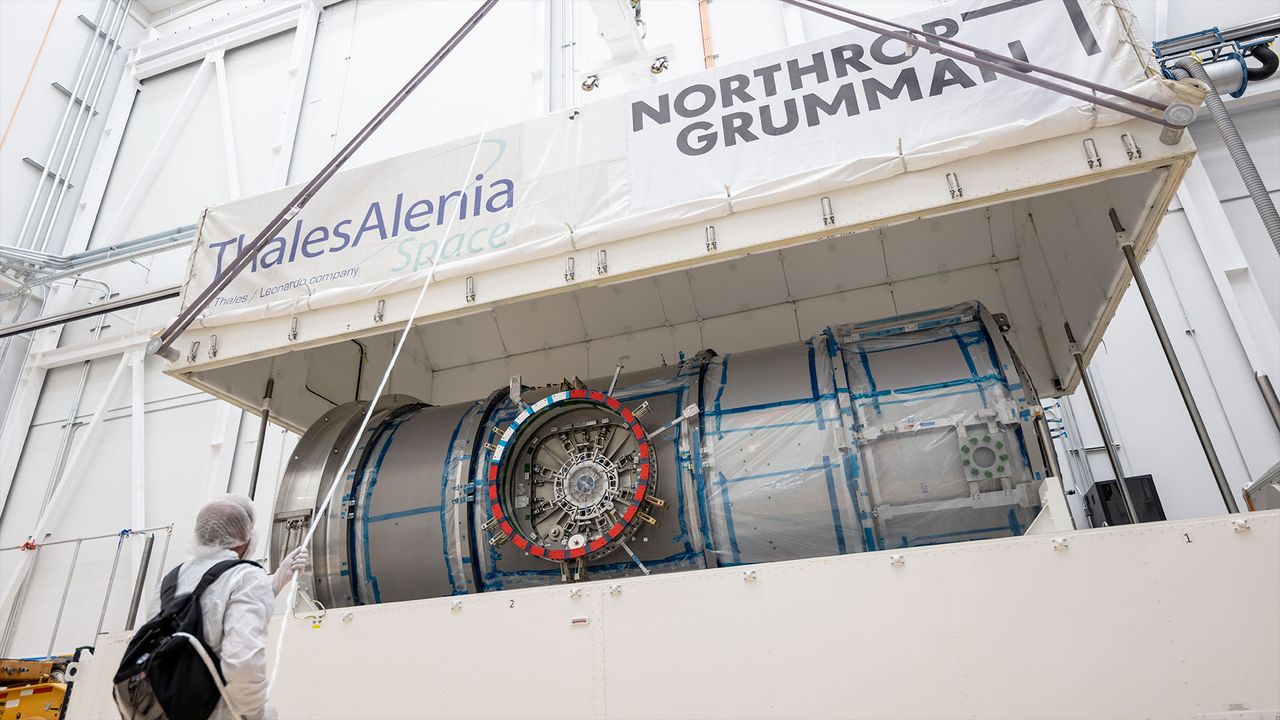
Northrop Grumman is turning the canceled HALO habitation module into a launch‑pad for three new Lunar Infrastructure Demo missions, repurposing its power, data and mechanical systems for the Artemis program. The demos will test power, thermal control, autonomy and communications that can survive the long lunar night at the south pole, where abundant water ice could support future habitats. By reusing HALO hardware, NASA hopes to accelerate the development of a moon base and keep pace with China’s advancing lunar ambitions. These uncrewed flights are paving the way for the first crewed Artemis landing scheduled for late 2028.
Virgin Galactic delays next commercial spaceflight to 2027
Original Publication Date: 2026-08-13 16:03

Virgin Galactic has pushed its first commercial suborbital flight to February 2027, citing a series of small but critical installation delays across its new Delta‑class spacecraft. The company’s CEO said the delay isn’t due to a single issue but to modest extensions on hundreds of tasks needed to get the new planes ready. Despite the pause, demand remains strong, with the latest tranche of tickets already oversubscribed and prices moving up from $750,000 to a higher, undisclosed level.
On this day in space! Aug. 13, 2014: Game-changing WorldView-3 Earth-observing satellite launches to orbit
Original Publication Date: 2026-08-13 14:00
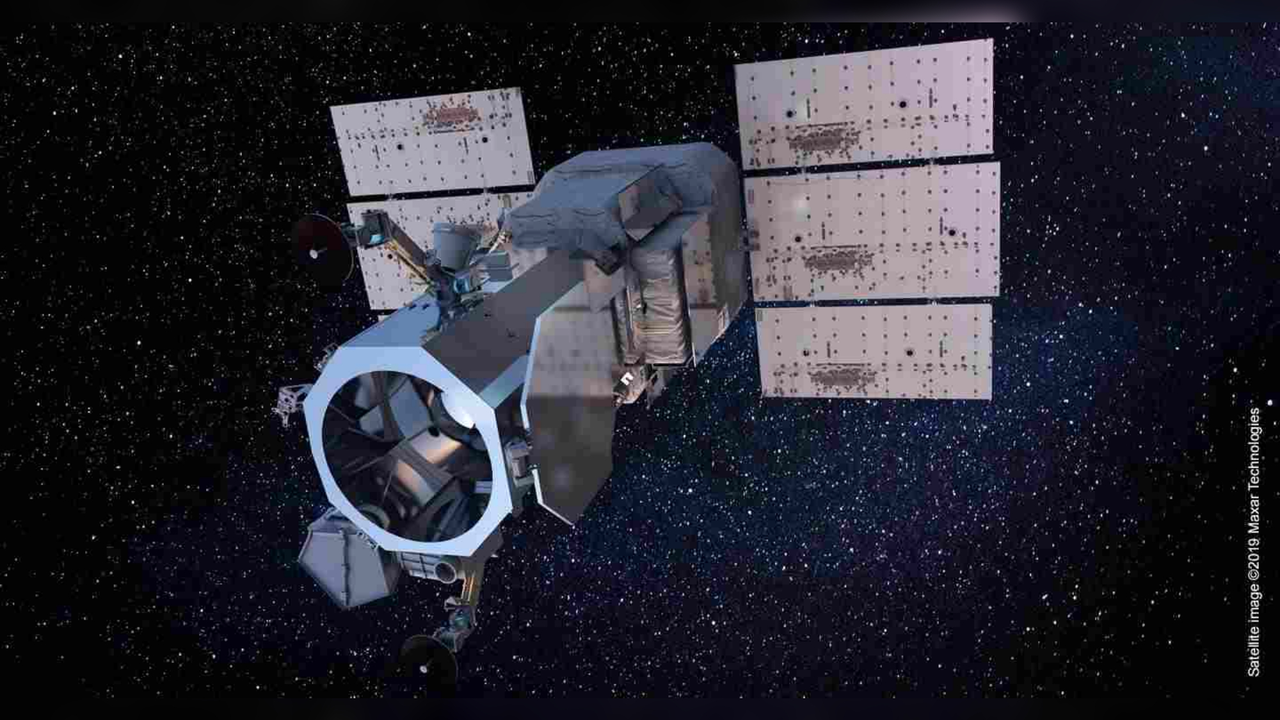
On August 13, 2014, DigitalGlobe launched WorldView‑3, the sharpest‑eyed satellite at the time, capable of 1‑foot resolution and even seeing through fog and smoke. The satellite, launched on an Atlas V from Vandenberg, has since provided unprecedented Earth‑observation data, aiding climate research, methane tracking, and even archaeology. Its high‑resolution imagery helped locate a lost Viking village in Newfoundland in 2015. WorldView‑3 remains a critical step in advancing commercial satellite imaging technology.
We've flown a radiation-blocking vest to the Moon and back, and it worked
Original Publication Date: 2026-08-13 13:48
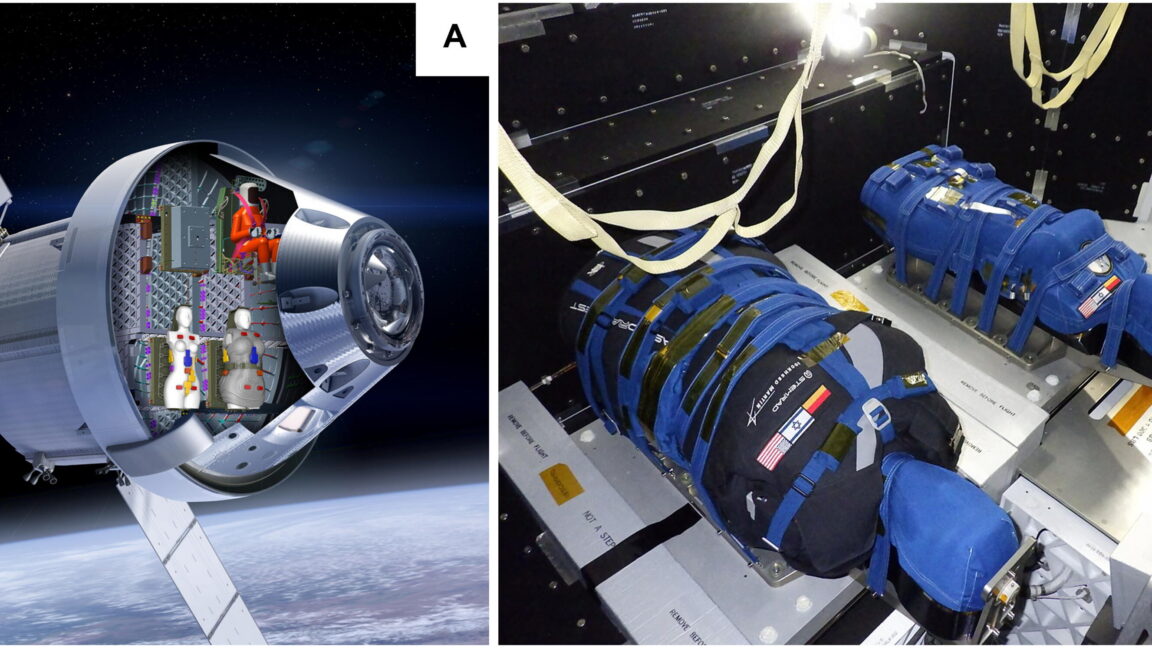
Solar storms can unleash bursts of protons that increase cancer risk and cause radiation sickness for astronauts. Earth's magnetic field and atmosphere shield us, but lunar and Martian crews rely on spacecraft shielding that is currently insufficient. Israeli‑American startup StemRad has developed a wearable radiation‑shielding vest, AstroRad, which was tested on NASA's Artemis I mission and found to perform about as well as the Orion spacecraft's heavily shielded shelter during a solar storm.