 Spotify
 Apple Podcasts
 Podcast Addict
 Overcast
 Podcast RSS
Bipartisan Senate bill would sharpen Space Force training for conflict with China
Original Publication Date: 2026-08-07 09:00
Senators Catherine Cortez Masto and Katie Britt have introduced bipartisan legislation to boost the Space Force’s readiness for a possible conflict with China. The Space Superiority Readiness Act would expand wargaming, modeling and simulation and develop new training programs focused on space‑control operations. It also requires an unclassified report on China’s commercial space sector and its potential military uses within 180 days of enactment. The bill follows the senators’ Arctic tour and underscores the growing importance of space as a warfighting domain.
Lessons for the future of NASA Mars exploration from a 1970s mission
Original Publication Date: 2026-08-06 15:00
July 20 marked 50 years since Viking 1’s historic Mars landing, the first fully successful descent on the Red Planet. The celebration highlighted Viking’s high‑risk, high‑cost achievement—an $8.6 billion mission that still fuels debate over its search for life.
Redwire to fly dedicated Starfall mission for microgravity research
Original Publication Date: 2026-08-06 14:18
Redwire’s SpaceMD has secured a dedicated SpaceX Starfall reentry mission, slated to launch in late 2028, to carry up to 32 pharmaceutical research payloads. The PIL‑BOX experiment packages will be redesigned to take advantage of Starfall’s highly tailorable microgravity environment and mission duration.
Three companies building the tech to grow crops on the moon
Original Publication Date: 2026-08-06 12:00
NASA is shifting focus from rockets to feeding astronauts as it plans a moon base by 2028, funding plant‑growth research and issuing SBIR contracts to spur commercial off‑world agriculture. Companies are building modular plant pods, greenhouses, and autonomous monitoring systems that could grow crops on the Moon, Mars, and deep space, turning space farming into a viable commercial sector.
NASA, Northrop Grumman repurpose Gateway elements for Moon Base demo missions
Original Publication Date: 2026-08-06 13:57
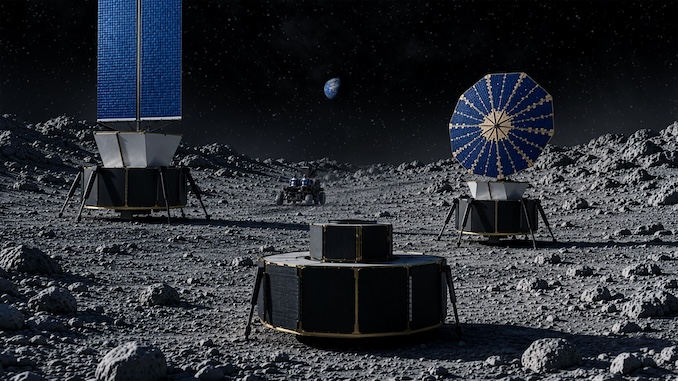
NASA has shifted its focus from the planned Gateway lunar station to a new series of Lunar Infrastructure Demo missions, repurposing the HALO module into three test flights—LID‑1, LID‑2, and LID‑3—to validate power, thermal, autonomy, and communications systems capable of surviving the Moon’s harsh temperature swings at the South Pole.
SpaceX Launches NROL-95 Mission as NRO Executes Dual-Track Architecture for 2026 Fleet Operations
Original Publication Date: 2026-08-06 21:06
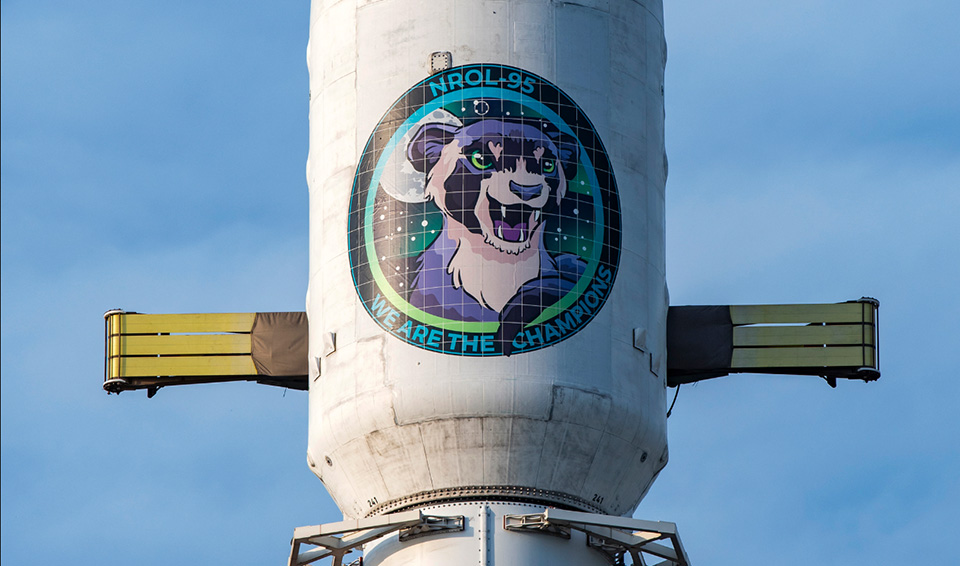
On July 30, 2026, SpaceX’s Falcon 9 lifted off from Cape Canaveral’s Space Launch Complex 40, carrying the classified NROL‑95 payload for the U.S. National Reconnaissance Office. The launch proceeded on schedule, with a nominal first‑stage separation and a smooth ascent into a planned orbit. Mission control confirmed the rocket’s transition to the second stage, and telemetry indicated a successful deployment of the payload. This launch marks another milestone for SpaceX’s commercial partnership with the U.S. Government.
U.S. Space Force Seeks $71 Billion FY2027 Budget to Support Orbital Combat Operations and Missile Defense
Original Publication Date: 2026-08-06 20:43
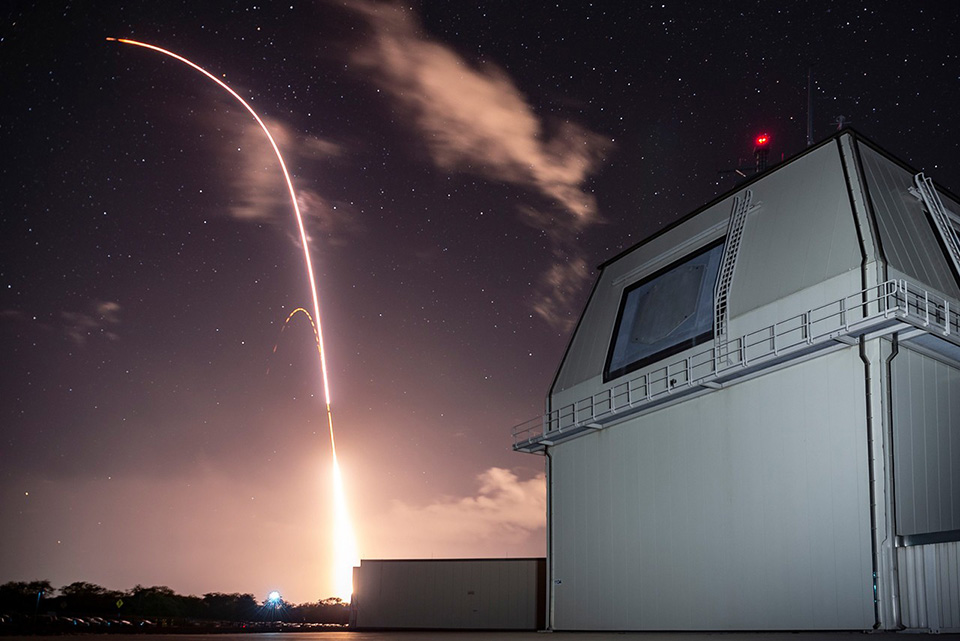
On July 30, 2026, the U.S. Space Force unveiled its fiscal‑year 2027 budget proposal, calling for a $71 billion request that would double the branch’s current funding. The plan is aimed at expanding space‑based capabilities, including new weapons systems, satellite upgrades, and launch infrastructure. It also emphasizes investment in research and development to maintain U.S. Superiority in the increasingly contested space domain.
Viasat Advances Equatys D2D Joint Venture Toward Initial Constellation Procurement
Original Publication Date: 2026-08-06 17:52

On August 6, 2026, Mark Dankberg, Chairman and Chief Executive Officer of Viasat Inc., informed financial analysts during the company’s quarter-two earnings presentation that Equatys—the Direct-to-Device (D2D) joint venture formed with Viasat.
Viasat and BMW Group Demonstrate Integrated Automotive Satellite Voice Capability Over L-Band Network
Original Publication Date: 2026-08-06 16:14

On July 16, 2026, Viasat Inc. Unveiled a breakthrough demonstration that integrated satellite voice calling directly into a BMW Group production‑line vehicle, promising reliable connectivity in cellular dead zones. The test showcased how the automotive satellite system maintained uninterrupted voice communication even in areas where traditional cellular networks falter. By partnering with BMW, Viasat aims to bring robust satellite connectivity to mainstream passenger cars, enhancing safety and convenience for drivers. This milestone marks a significant step toward seamless, nationwide automotive communication.
SpaceX Regulatory Strategy at the FCC: Disruptive Expansion Meets Administrative Oversight
Original Publication Date: 2026-08-06 14:30
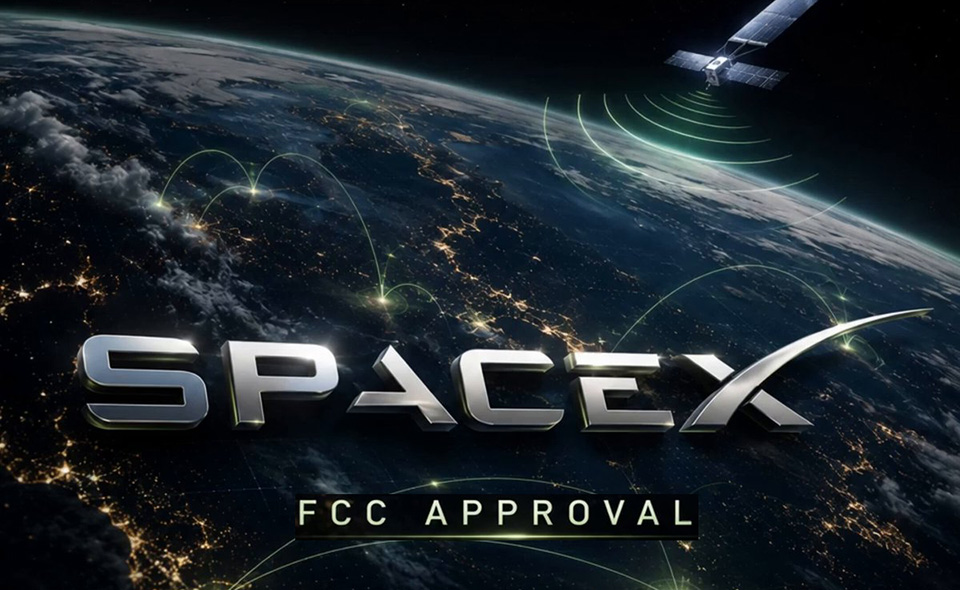
SpaceX’s rapid expansion of its low‑Earth‑orbit satellite constellation has put its relationship with the Federal Communications Commission at the forefront of global telecommunications policy. The company’s strategy centers on proactive regulatory engagement, securing spectrum allocations, and fostering international cooperation to support its broadband ambitions. This dynamic is reshaping how the United States and other nations govern satellite communications and manage spectrum resources. The evolving partnership underscores the growing importance of space‑based broadband in connecting the world.
Educators & Teens Get Hands-On With TEMPO Data to Help Investigate Local Air Quality
Original Publication Date: 2026-08-06 19:33

NASA’s Cosmic Storytelling with NASA Data project partnered with Smithsonian’s BEST AQI to host a three‑day Leadership Institute in Cambridge, training 13 educators on NASA’s TEMPO air‑quality data. During the workshop, participants used the free TEMPO‑Lab tool to analyze real‑time pollution from wildfire smoke, traffic, power plants, and agriculture, and even explored a newly released ground‑level ozone product. The experience enabled teachers to develop curriculum that lets teens investigate local air quality and make evidence‑based decisions for their communities.
I Am Artemis: Tom Percy
Original Publication Date: 2026-08-06 16:35
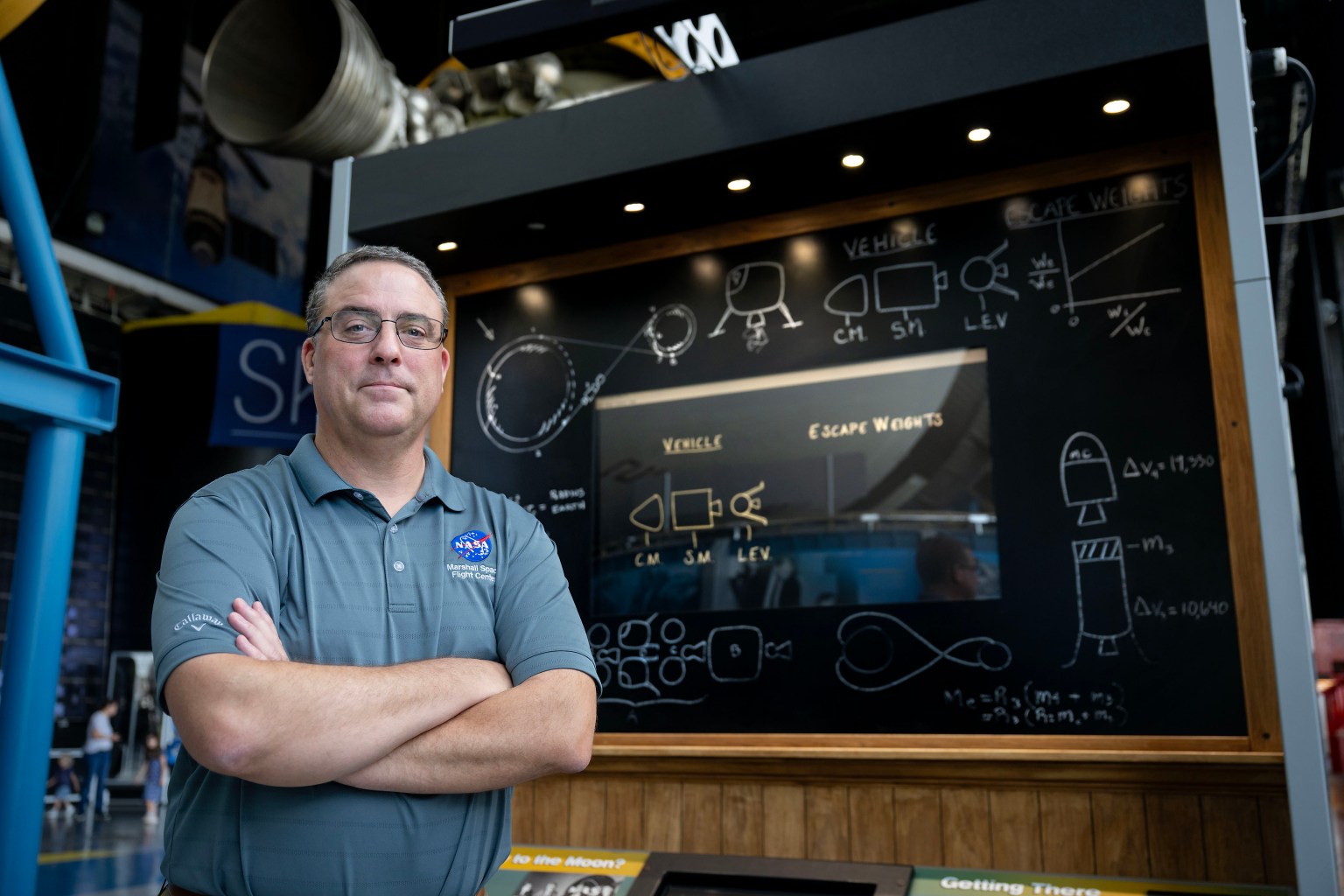
Tom Percy, NASA’s manager of systems engineering and integration for the Human Landing System Program, coordinates with SpaceX and Blue Origin to ensure their crewed landers are designed, built, tested, and certified for Artemis missions. A native of Massachusetts, Percy earned degrees from RIT, Georgia Tech, and the University of Alabama in Huntsville, and has spent his career evaluating transportation architectures for deep‑space exploration, including lunar and Mars missions.
Scaleup Europe Fund Makes its First Space Bet
Original Publication Date: 2026-08-07 06:06
Europe’s new €5 billion Scaleup Europe fund, backed by the European Commission and major investors, has just made its first investment by co‑leading a €450 million round for satellite company ICEYE, pushing the total funding above €1 billion. The fund, launched under the EU Startup and Scaleup Strategy, aims to close the growth‑stage financing gap for deep‑tech firms in AI, robotics, semiconductors, energy, biotech and more, keeping European companies from seeking capital abroad.
Endeavor Optical Networks Emerges from Stealth
Original Publication Date: 2026-08-06 12:31

Endeavor Optical Networks has emerged from stealth with $10.8 million in seed funding led by General Catalyst and Andreessen Horowitz, and it plans to replace the 95 percent of intercontinental data carried by vulnerable subsea cables with a constellation of optical satellites in medium Earth orbit. The company’s bent‑pipe design will use ground stations to laser‑send data to a single satellite, which then reflects the signal back to a network of roughly 20 mirrors at about 13,000 km altitude, targeting 2.4 Tbps per link—on par with fiber‑optic throughput. EON aims to prove the concept with a demonstration satellite in low Earth orbit by early 2028 and hopes to be fully operational by 2029, offering a cheaper, more resilient alternative to the costly and repair‑prone ocean cables.
'One more step': NASA astronauts conduct 6.5-hour spacewalk to prep ISS for solar array upgrade
Original Publication Date: 2026-08-06 20:05
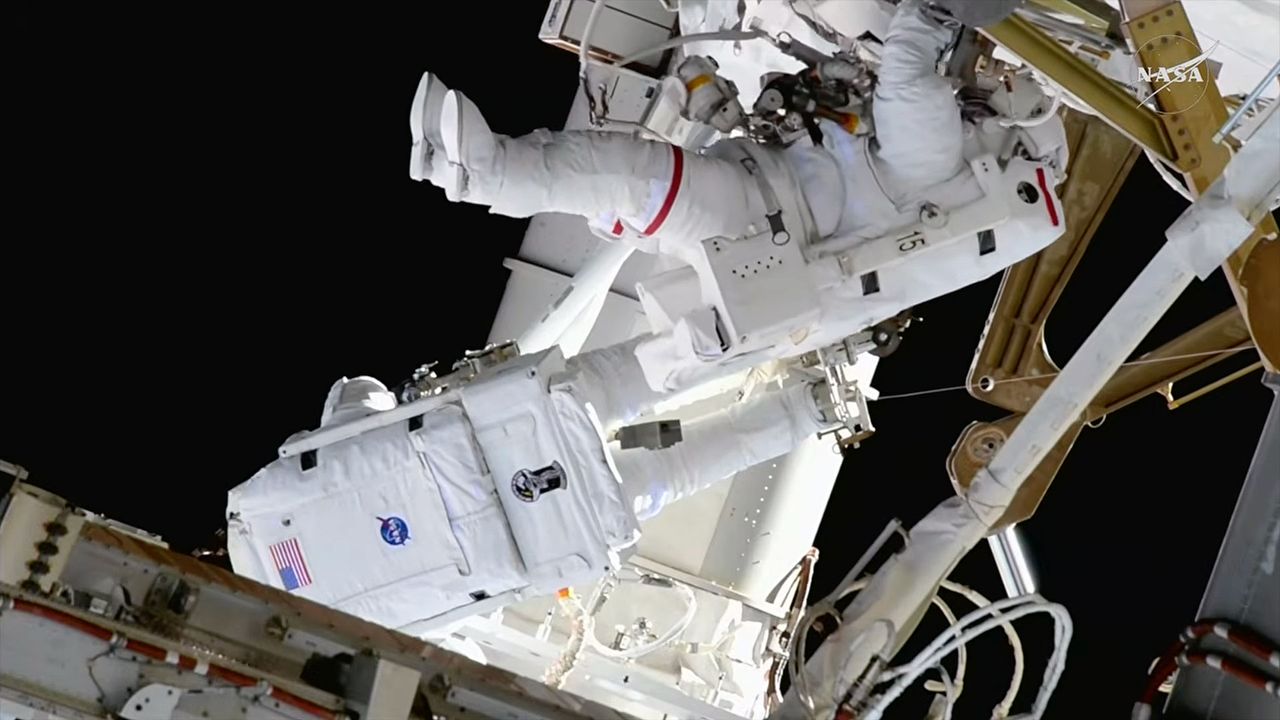
NASA astronauts Jessica Meir and Anil Menon completed a 6½‑hour spacewalk on Thursday, August 6, 2026, installing mounting hardware for the new Roll‑Out Solar Array (iROSA) on the International Space Station’s 3B power channel. They assembled triangular brackets, routed power cables, and covered the struts with insulation to protect the future solar wings. The upgrade will boost the ISS’s electricity supply by 20 % to 30 % as the original arrays age past their 15‑year design life. This mission marked Menon’s first EVA and the sixth for Meir, bringing the U.S. Count to 96 overall.
Rocket Lab launches Japanese Earth-observing satellite after 5-week delay (video, photos)
Original Publication Date: 2026-08-06 18:34
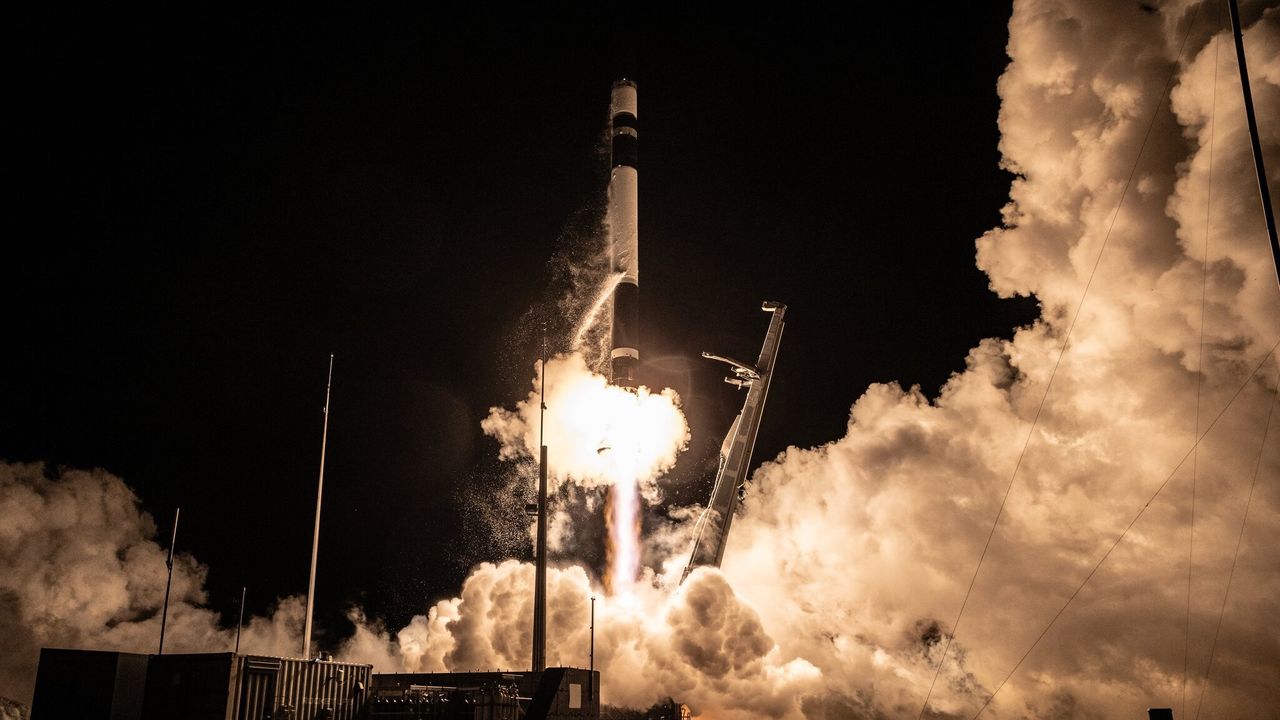
Rocket Lab lifted a Japanese Earth‑observing satellite, QPS‑SAR‑13—also known as MIKURA‑I—into orbit from New Zealand this morning, 5 am EDT, after a five‑week delay from its originally scheduled June 30 launch. The Electron rocket successfully placed the radar satellite at about 357 miles (575 km) above Earth, where it will use synthetic aperture radar to capture high‑resolution images day and night, even through clouds. This flight marks Rocket Lab’s eighth of 15 missions to build a 36‑satellite constellation for Tokyo‑based iQPS and is the company’s 92nd launch overall. The initial June launch was aborted at the last second for reasons that have not yet been disclosed.
SpaceX rocket's impact crater on the moon spied by Korean lunar orbiter (photos)
Original Publication Date: 2026-08-06 15:24
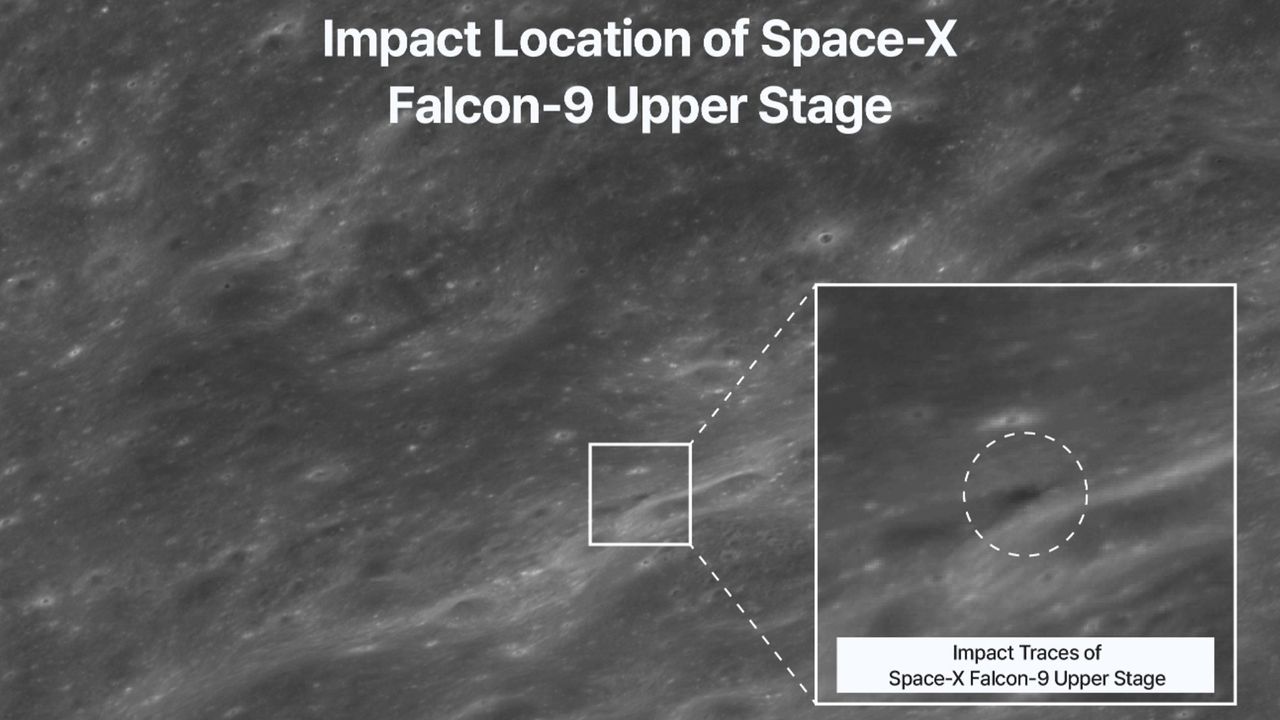
South Korea’s Danuri lunar orbiter captured dramatic before‑and‑after footage of a SpaceX Falcon 9 upper stage that slammed into the moon on August 5, 2026, creating an 89‑foot‑wide crater. The orbiter began imaging just 30 minutes before impact and conducted eight imaging passes, providing scientists with unprecedented data on the collision’s immediate effects. The footage, combined with ground‑based telescope videos and future NASA LRO observations, will help verify impact predictions and deepen our understanding of lunar geology. This event marks another milestone in international lunar research.
Blue Origin traces origin of huge New Glenn rocket explosion to oxygen valve, CEO says
Also covered by: Spaceflight Now
Original Publication Date: 2026-08-06 15:00
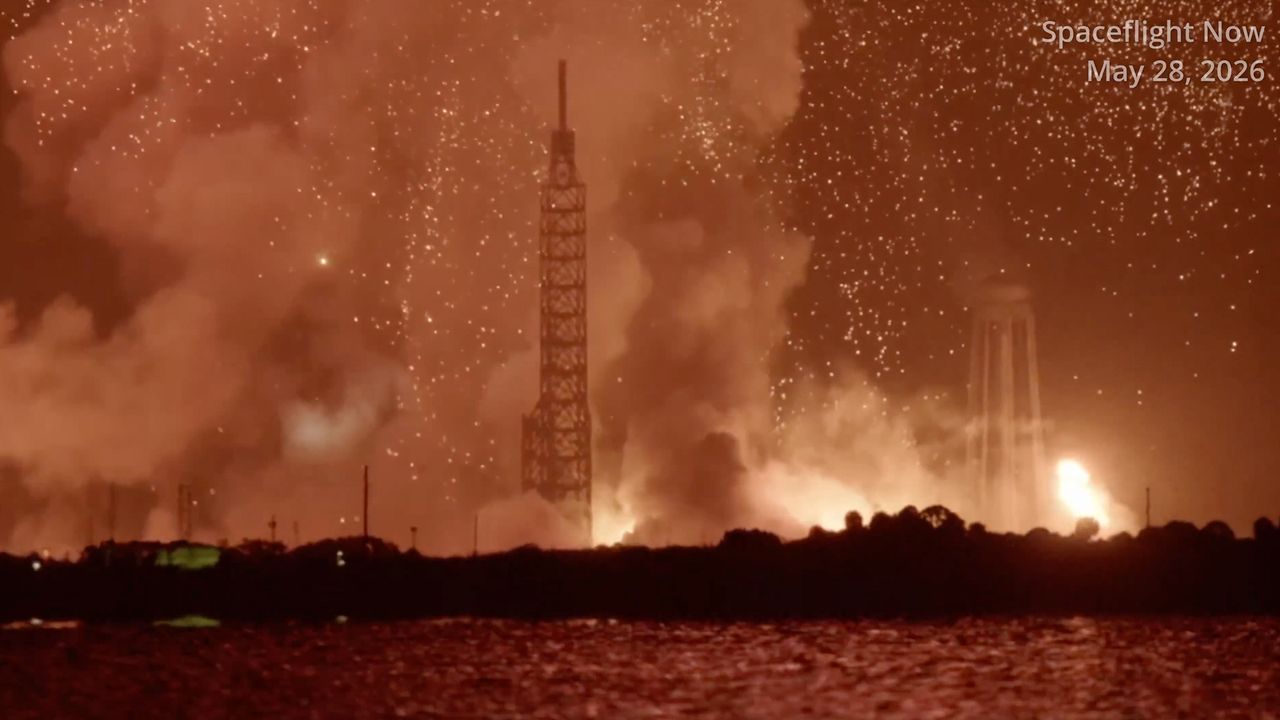
Blue Origin’s New Glenn rocket exploded on May 28 during a static‑fire test at Cape Canaveral, destroying the vehicle and key pad infrastructure. The failure was traced to a faulty main oxygen valve on one of the BE‑4 engines, a finding confirmed by recovered hardware and inspections. CEO Dave Limp announced the company is retrofitting the valve and conducting extensive hot‑fire tests. Updated hardware is expected to be ready by the end of the month.
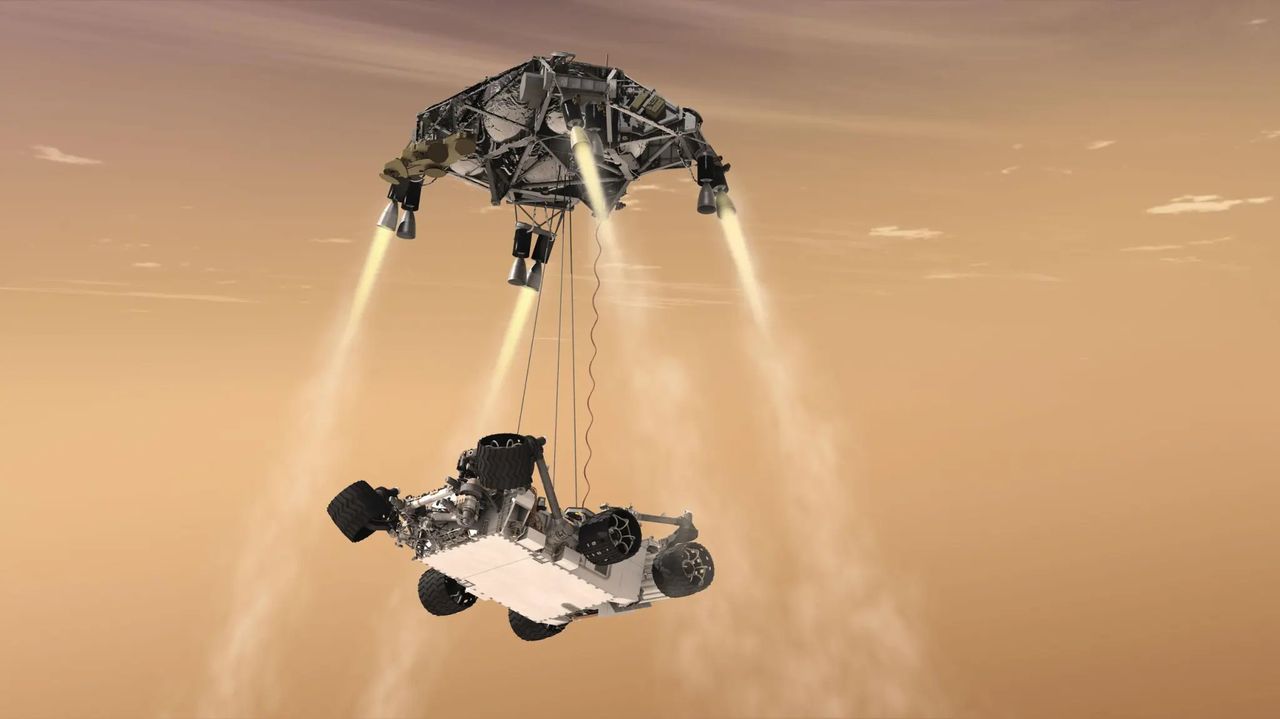
On this day in space! Aug. 6, 2012: NASA lands huge Curiosity rover on Mars with a rocket-powered sky crane
Original Publication Date: 2026-08-06 14:00
Tariq Malik has steered Space.com from its New York office since 2001, rising from intern to managing editor in 2009 and chief editor in 2019. He earned top honors, including the 2022 Harry Kolcum Award from the National Space Club Florida and the 2025 Space Pioneer Award from the National Space Society for excellence in mass media. A former Los Angeles Times reporter and NYU science‑journalism graduate, he began covering NASA launches in 2005 and now hosts the TWiT podcast This Week in Space. Outside of space, he’s an Eagle Scout, frequent Space Camp attendee, and avid Star Trek fan, sharing his adventures on Twitter as @tariqjmalik.