 Spotify
 Apple Podcasts
 Podcast Addict
 Overcast
 Podcast RSS
The governance gap: Why orbital data centers need certification before they scale
Original Publication Date: 2026-04-24 12:00
Orbital and lunar data centers are reaching a critical growth point, but their expansion hinges on creating predictable, certifiable supply chains, much like terrestrial industries. While hardware enables launch into orbit, robust governance is essential to maintain operations once there. The industry’s current focus on launch cadence must shift toward establishing formal certification standards to ensure reliability and scalability. Without these governance frameworks, the next wave of space-based data services will struggle to achieve sustainable growth.
Astrobotic tests advanced rocket engine
Also covered by: Payload Space
Original Publication Date: 2026-04-24 11:56
Astrobotic Technology, a Pittsburgh‑based lunar lander developer, successfully tested its rotating‑detonation rocket engine, Chakram, at NASA’s Marshall Space Flight Center. In a series of firings totaling 470 seconds, the engine achieved a record 300‑second continuous burn and produced over 4,000 pounds‑force of thrust with no damage.
FCC throws out satellite spectrum challenges as D2D dealmaking heats up
Original Publication Date: 2026-04-23 22:56
Today the FCC has taken decisive action to protect incumbent operators’ rights to Mobile Satellite Service spectrum, rejecting recent bids from SpaceX and other challengers. The decision comes amid growing demand for these frequencies, which are essential for direct‑to‑device connectivity. By dismissing the satellite spectrum challenges, the commission is ensuring that existing service providers maintain their spectrum holdings. This move underscores the escalating competition in the D2D market.
SpaceX wins $57 million U.S. military contract for satellite crosslink demo
Original Publication Date: 2026-04-23 21:48
WASHINGTON — The Space Systems Command has awarded SpaceX a $57 million contract to demonstrate satellite‑to‑satellite communications using the Link‑182 radio‑frequency standard, which the Space Force plans to deploy across its upcoming MILNET constellation of Starshield satellites. The demonstration must be finished by April 2027 and is framed as a boost to U.S. Warfighting capability, though it omits mention of the Golden Dome interceptor program. In a later 2025 solicitation, the same agency specified that Link‑182 will be the required protocol for Golden Dome, enabling space‑based interceptors to relay data through MILNET rather than ground stations. SpaceX won the initial contract, but the command signals it will pursue multiple suppliers for the radios needed to support a future operational network.
Jordan signs the Artemis Accords
Original Publication Date: 2026-04-23 15:14
Jordan has become the 63rd nation to sign NASA’s Artemis Accords, a pact that promotes safe and sustainable lunar exploration. The agreement was signed by Ambassador Dina Kawar at NASA Headquarters, underscoring Jordan’s goal to emerge as a regional hub for science and technology. NASA officials highlighted the Accords as a framework for cooperation on its forthcoming lunar base program, offering member countries the chance to contribute payloads and instruments. This signing reflects the Middle East’s continued optimism for space exploration and the global push to return to the Moon.
The Smartest Money in the Room Is Looking Up
Original Publication Date: 2026-04-23 20:48
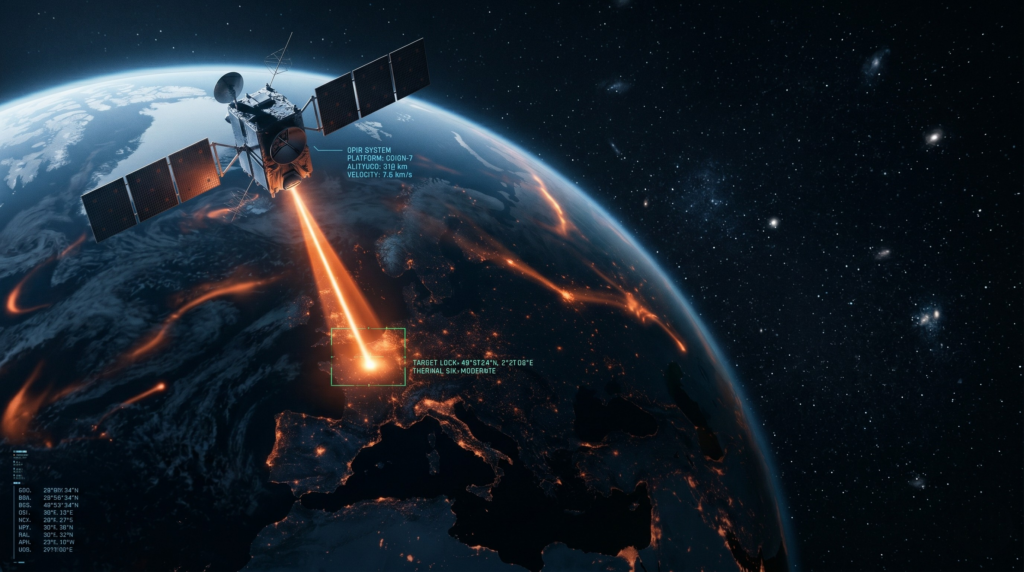
Commercial low‑Earth‑orbit ventures have drawn nearly $3 billion in private capital, a figure that is reshaping the space‑industry landscape. A business controller notes that the raw numbers reveal more than the prevailing hype, offering a clearer view of market dynamics. The surge signals growing confidence in satellite constellations and space‑based services. Investors are now focusing on tangible returns rather than just the narrative of space commercialization.
SmallSat Europe Speaker Focus: Giovanni Pandolfi Bortoletto, Leaf Space
Original Publication Date: 2026-04-23 17:31

Leaf Space co‑founder Giovanni Pandolfi Bortoletto has built a global ground network of more than 40 stations that supports over 170 satellites and manages more than 22,000 passes each month. At SmallSat Europe, he will speak on the Hybrid Ground Segment panel, arguing that the bottleneck has shifted from orbit to Earth. His experience underscores the growing importance of robust terrestrial infrastructure for satellite operations. The event highlights how ground capabilities are becoming the new frontier in space technology.
Blue Origin CEO Attributes BlueBird 7 Satellite Loss to Second-Stage Thrust Anomaly
Original Publication Date: 2026-04-23 16:52
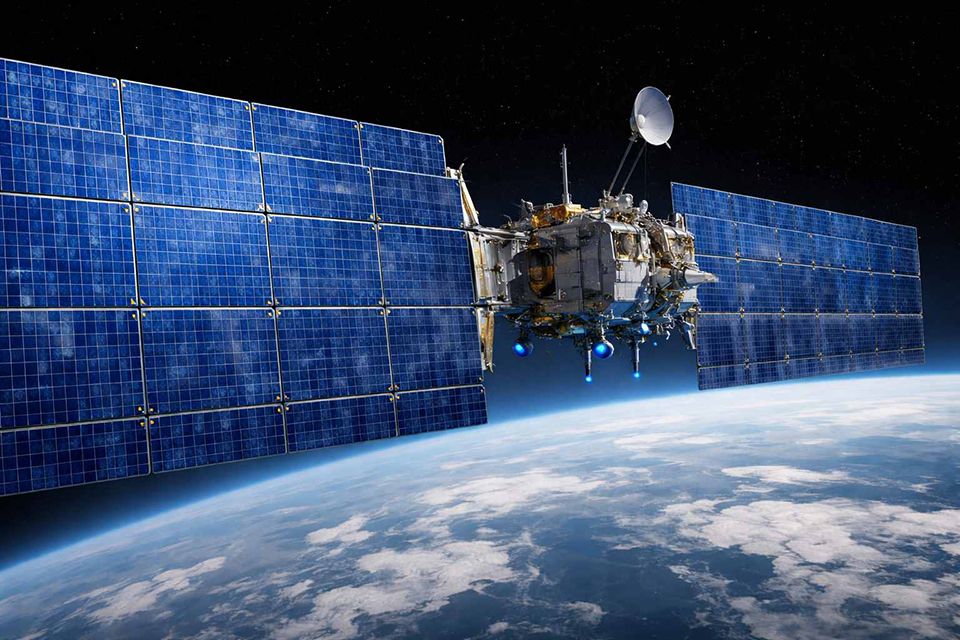
On Monday, April 20, 2026, Blue Origin’s third New Glenn launch experienced an off‑nom
An Agricultural Mosaic in Taiwan
Original Publication Date: 2026-04-24 04:01

Taiwan, a Pacific island the size of Maryland, packs about $18 billion in agricultural output into less than one‑quarter of its land, with each citizen owning just 0.03 hectares of arable field. Satellite imagery from Landsat 9 shows Yunlin County’s mosaic of tiny, rectangular plots—an inheritance of land‑size limits and family inheritance practices—producing rice, sweet potatoes, coffee, and even millions of pigs. The region’s legacy sugar plantations still dominate northern fields, while farmers in Xiluo use shade nets to protect specialty crops, giving those fields a distinctive green‑blue hue. This patchwork landscape highlights how Taiwan’s compact farms combine history, innovation, and intensive cultivation to sustain a robust agricultural economy.
Johnson Leaders Honored by National Space Club & Foundation
Original Publication Date: 2026-04-23 23:24

At the 69th Annual Robert H. Goddard Memorial Dinner on March 13, the National Space Club & Foundation honored two NASA leaders for their contributions to human spaceflight. Orion Program Manager Howard Hu received the Norman L. Baker Astronautics Engineer Award for his sustained technical leadership that helped bring the Orion spacecraft to its historic Artemis II crewed lunar flyby. International Space Station Program Manager Dana Weigel was awarded the Eagle Manned Mission Award for her role in maintaining the 25‑year continuous human presence aboard the ISS and supporting future Artemis and Mars missions.
NASA Shares SpaceX Crew-13 Assignments for Space Station Mission
Original Publication Date: 2026-04-23 21:15
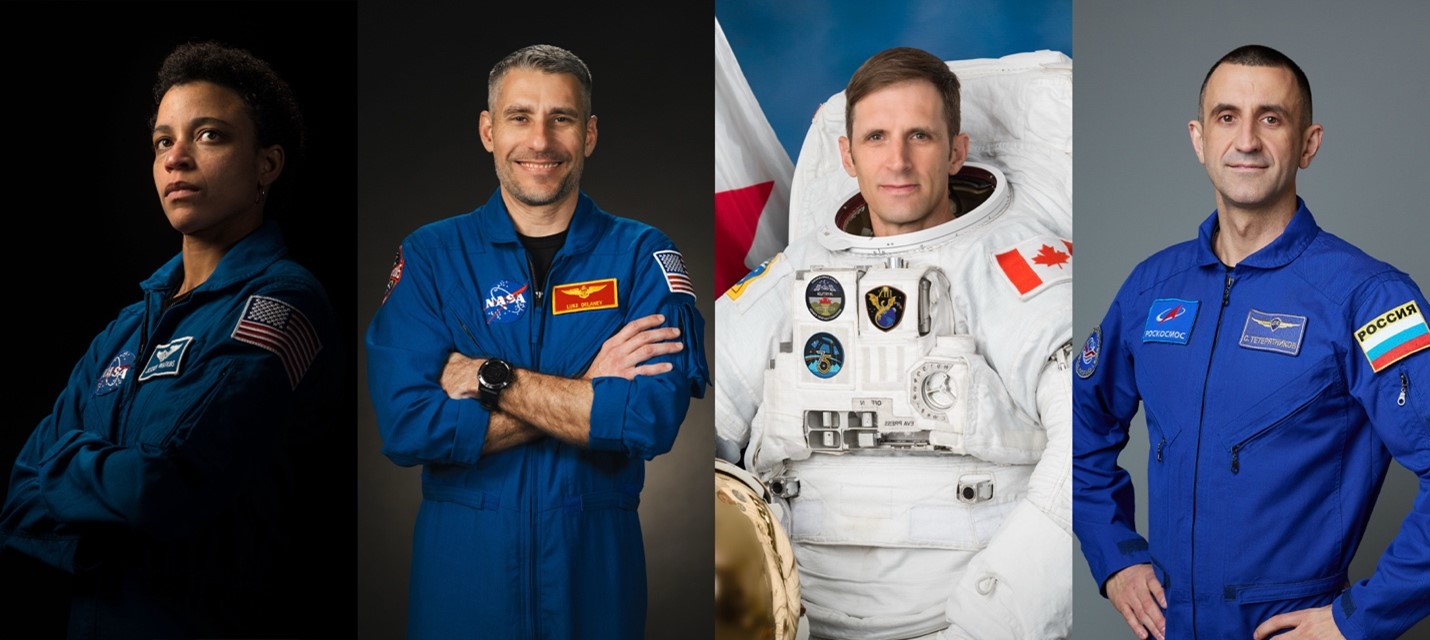
NASA’s SpaceX Crew‑13, comprising astronauts Jessica Watkins, Luke Delaney, Canadian Joshua Kutryk and Russian Sergey Teteryatnikov, is scheduled to launch no earlier than mid‑September to the International Space Station for a long‑duration science expedition. Watkins will command the Dragon 2 spacecraft while Delaney will pilot it, and Kutryk and Teteryatnikov will serve as mission specialists. The crew will join Expedition 75, conducting experiments that advance lunar and Martian exploration and benefit research on Earth. This mission marks Watkins’ second Dragon flight, Delaney’s first, Kutryk’s first and Teteryatnikov’s debut aboard the orbiting laboratory.
NASA Kennedy Prepares Facility for Roman Space Telescope Arrival
Original Publication Date: 2026-04-23 20:14
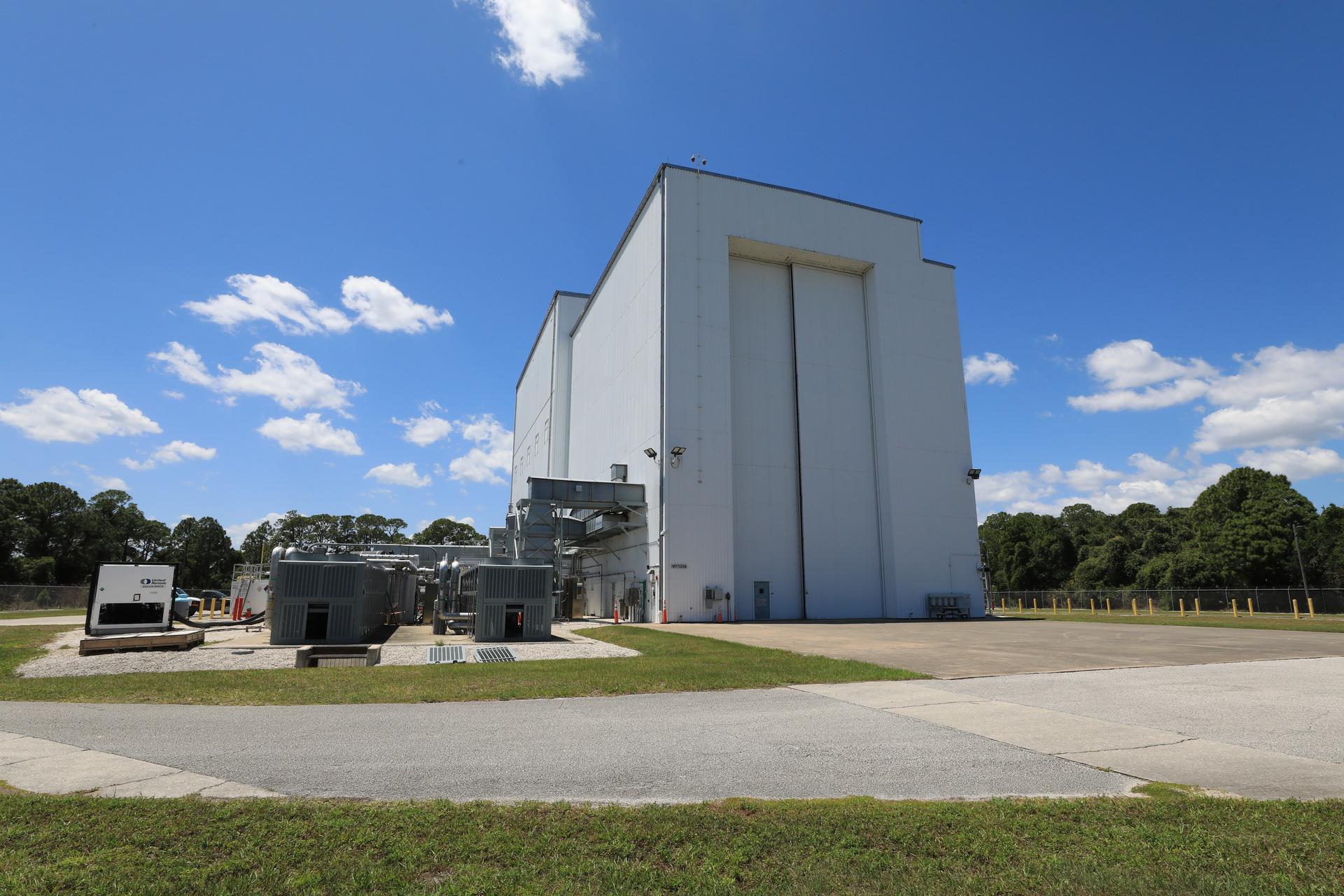
NASA’s Payload Hazardous Servicing Facility at Kennedy Space Center is preparing for the Nancy Grace Roman Space Telescope launch on a SpaceX Falcon Heavy, scheduled for early September.
Starship Progress at the Cape with Hoping to Launch this year
Original Publication Date: 2026-04-23 17:39

SpaceX is pushing ahead on its Block 3 launch infrastructure, with the Gigabay at Roberts Road almost finished and ready to host massive bridge cranes and a potential new launch control center.
Astra Targets Golden Dome With Small Rockets, Says CEO Chris Kemp
Original Publication Date: 2026-04-24 12:46
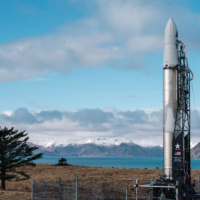
Astra is offering its small, single‑use rockets as realistic targets for the Pentagon’s Golden Dome missile‑defense tests, CEO Chris Kemp said, noting they mirror the inexpensive threats the system must counter. The company also plans to deliver drones worldwide in under 24 hours from mobile launch pads, promising rapid, resilient access from anywhere on Earth. Kemp reflected on Astra’s journey from a 2021 SPAC IPO to a 2024 private‑company turnaround, warning that manufacturing firms will learn quickly that going public is costly. Astra is set to launch its new Rocket 4.0 this fall, built in a state‑of‑the‑art factory with automated production and extensive testing.
Trump Taps Space Execs For Military Space Roles
Original Publication Date: 2026-04-24 12:44

President Trump has nominated two industry veterans for key military space positions. Raytheon VP Erich Hernandez‑Baquero will serve as assistant secretary of the Air Force for space acquisition, while former V2X chief Roger Mason will head the National Reconnaissance Office. Both nominees must receive Senate confirmation and will replace outgoing leaders as the Pentagon seeks to streamline space acquisition and boost commercial partnerships. If confirmed, their appointments could accelerate U.S. Space capabilities and intelligence gathering.
Orbital vs. Terrestrial Data Center Cost Analysis
Original Publication Date: 2026-04-23 08:36

The article, published on Payload Pro and Payload, analyzes the cost differences between orbital and terrestrial data centers, highlighting factors such as infrastructure, maintenance, and energy consumption. It examines how orbital facilities can reduce latency and improve resilience but come with higher launch and operational expenses. The analysis also considers the scalability of terrestrial sites and their lower upfront capital requirements. Ultimately, it concludes that while orbital data centers offer unique advantages, terrestrial solutions remain more cost‑effective for most current applications.
Hubble Telescope celebrates 36th anniversary with gorgeous new image of famous Trifid Nebula
Original Publication Date: 2026-04-24 12:00
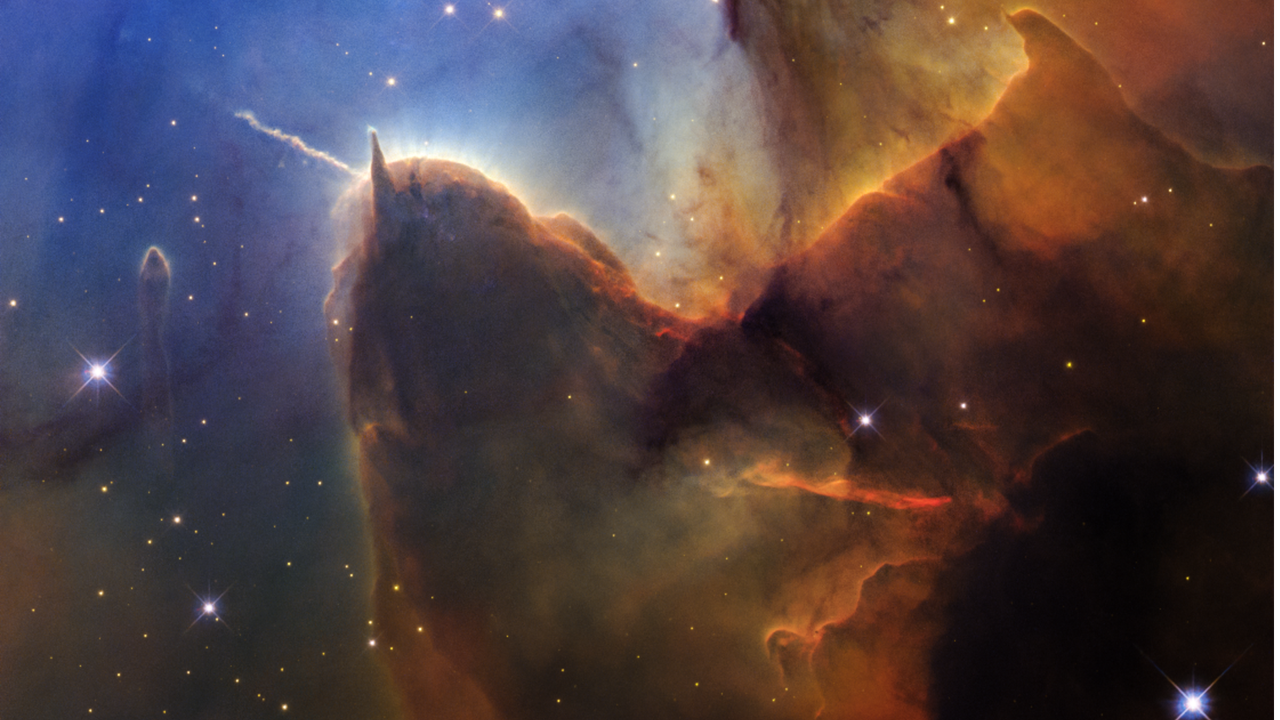
Hubble Space Telescope marks its 36th anniversary in space with a stunning new image of the Trifid Nebula, a star‑forming region first captured by the telescope in 1997. The high‑resolution view reveals towering columns of gas and dust, a dense pillar hosting a newborn star, and a Herbig–Haro jet—an ejected stream of material from a growing protostar. By comparing this image to Hubble’s original 1997 capture, astronomers can track the jet’s motion and better understand how young stars shape their surroundings. This anniversary snapshot underscores Hubble’s enduring role in unveiling the cosmos’s most dynamic nurseries.
Sun unleashes 2 colossal X-flares within 7 hours of each other, knocking out radio signals on Earth
Original Publication Date: 2026-04-24 11:35
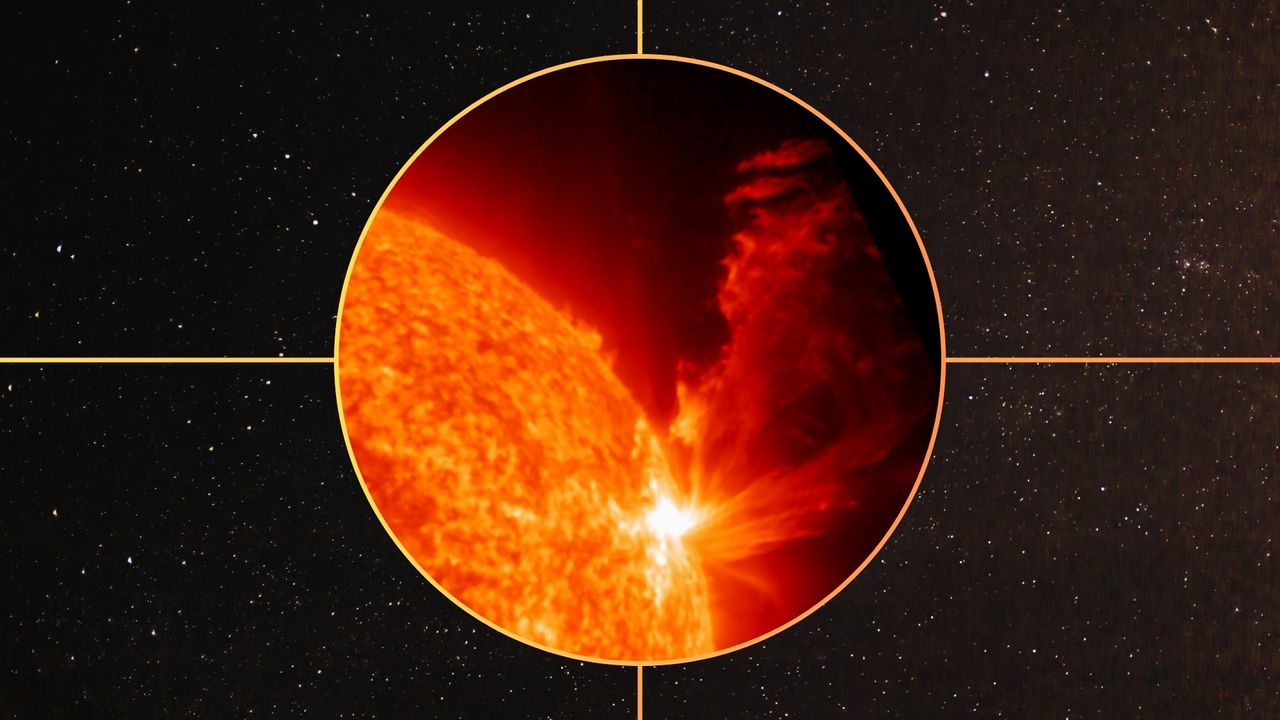
Solar flares of class X2.5 erupted from the sun’s western limb twice within seven hours, the strongest seen in 78 days, knocking out high‑frequency radio signals on Earth’s sunlit side. The first burst peaked at 9:07 p.m. EDT on April 23, followed by a second at 4:14 a.m. EDT on April 24, disrupting radio coverage in the Pacific, Australia, and East Asia. Though coronal mass ejections likely missed Earth, forecasters are monitoring for a possible glancing blow that could trigger geomagnetic storms and auroras. These powerful eruptions remind us that the sun can still surprise us with sudden, intense bursts of radiation.
Ted Cruz pushes back on NASA budget cuts: 'I don't want to wake up one day and look up at the moon and realize the Chinese have beat us there'
Original Publication Date: 2026-04-24 10:00

The Trump administration’s FY27 budget proposes a 23% cut to NASA, slashing science funding by nearly 50%, sparking a showdown with Congress. Senator Ted Cruz, chair of Commerce, Science and Transportation, publicly rebuked the cuts, warning that the U.S. Could lose its lunar lead to China. Cruz has championed a $10 billion boost for Artemis, SLS, Orion, and broader moon and Mars programs, arguing sustained funding is essential for American space leadership.
What will happen when our sun starts dying? These 'stellar archaeologists' may have found a clue
Original Publication Date: 2026-04-23 21:00
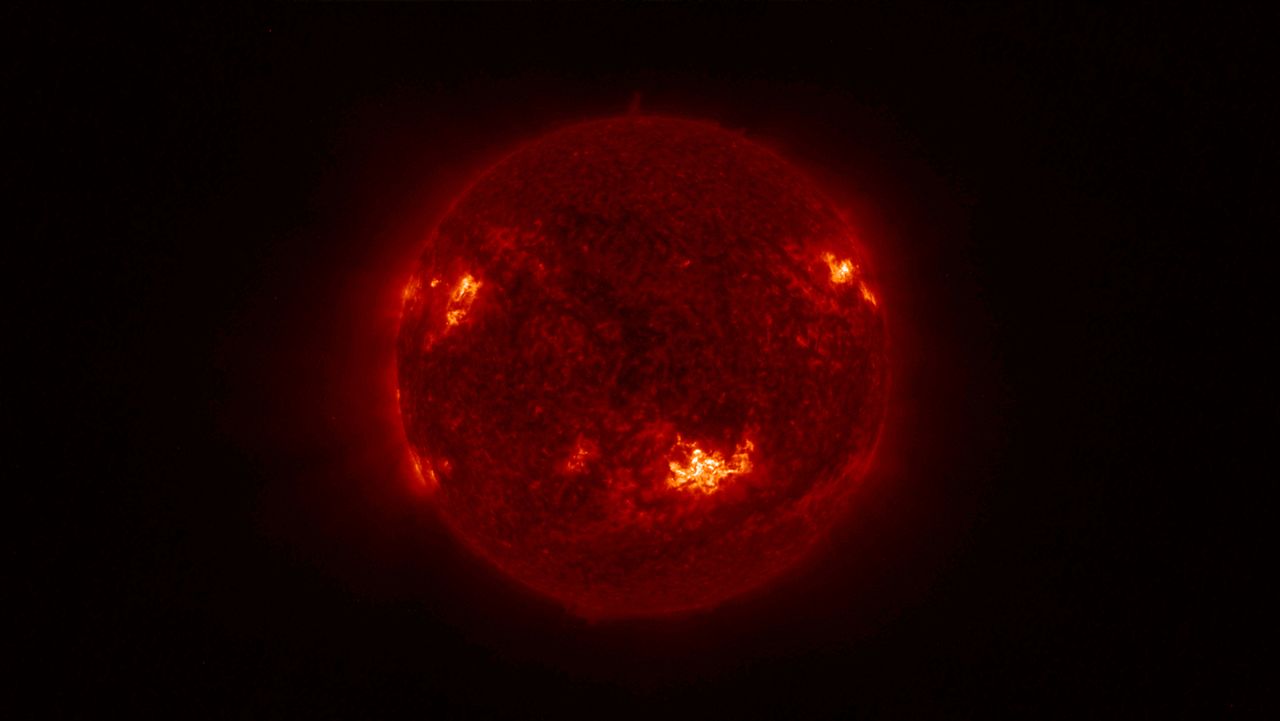
Scientists acting as “stellar archaeologists” have detected fossil magnetic fields on white dwarf stars, offering clues to how stars transition from red giants to compact remnants. By linking magnetic activity in red‑giant cores to surface magnetism in white dwarfs, researchers suggest magnetic fields formed early in a star’s life persist through all evolutionary stages. This fossil‑field theory, supported by starquake data from asteroseismology, may explain why older white dwarfs tend to be more magnetic than younger ones.
These 'interstellar glaciers' could give water to young star systems. Could they support alien life, too?
Original Publication Date: 2026-04-23 20:00
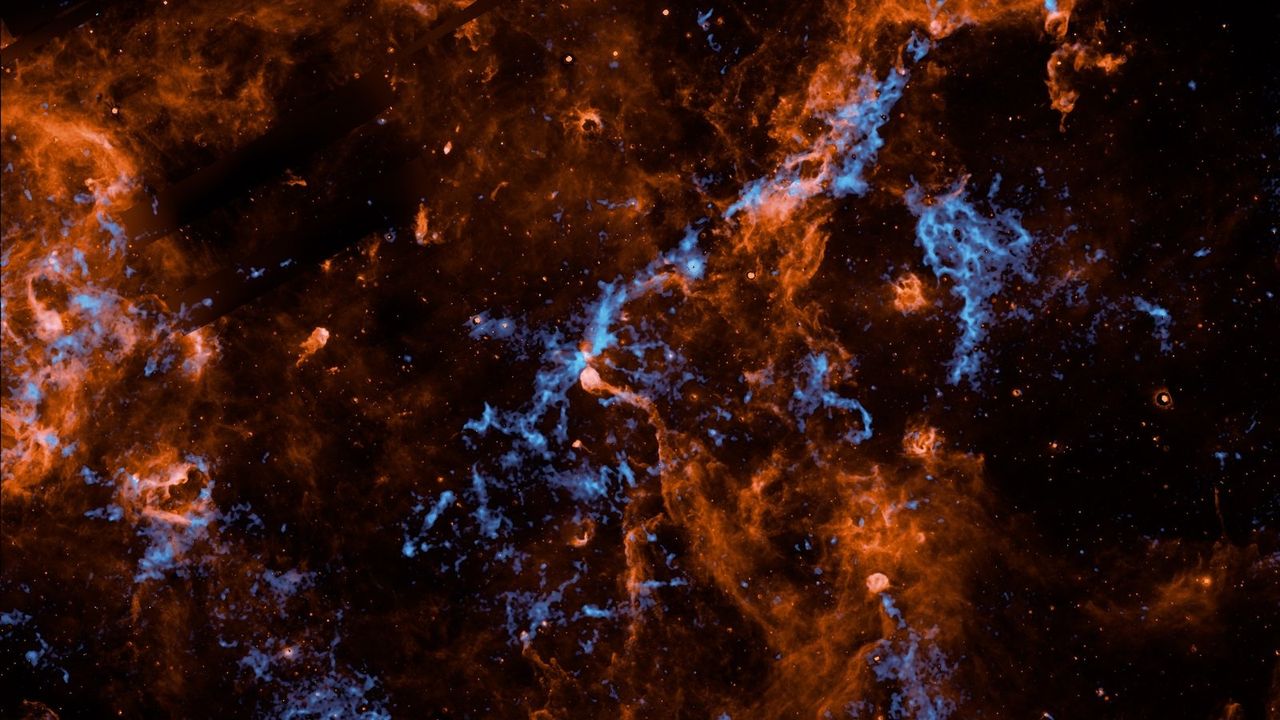
NASA’s SPHEREx telescope has mapped vast reservoirs of water ice across the turbulent Cygnus X star‑forming region, revealing “interstellar glaciers” that could rain fresh water onto newborn planets. The data show the ice—composed of water, CO₂, and CO—coating microscopic dust grains, a key ingredient that may seed planetary systems and ultimately supply the water found in Earth’s oceans and comets. Scientists were surprised to detect these ices against diffuse background light across entire dust clouds, a phenomenon only expected near bright stars. This discovery supports the idea that much of the universe’s water originates in such stellar nurseries and could help future life.
We still don't have a more precise value for "Big G"
Original Publication Date: 2026-04-23 20:57
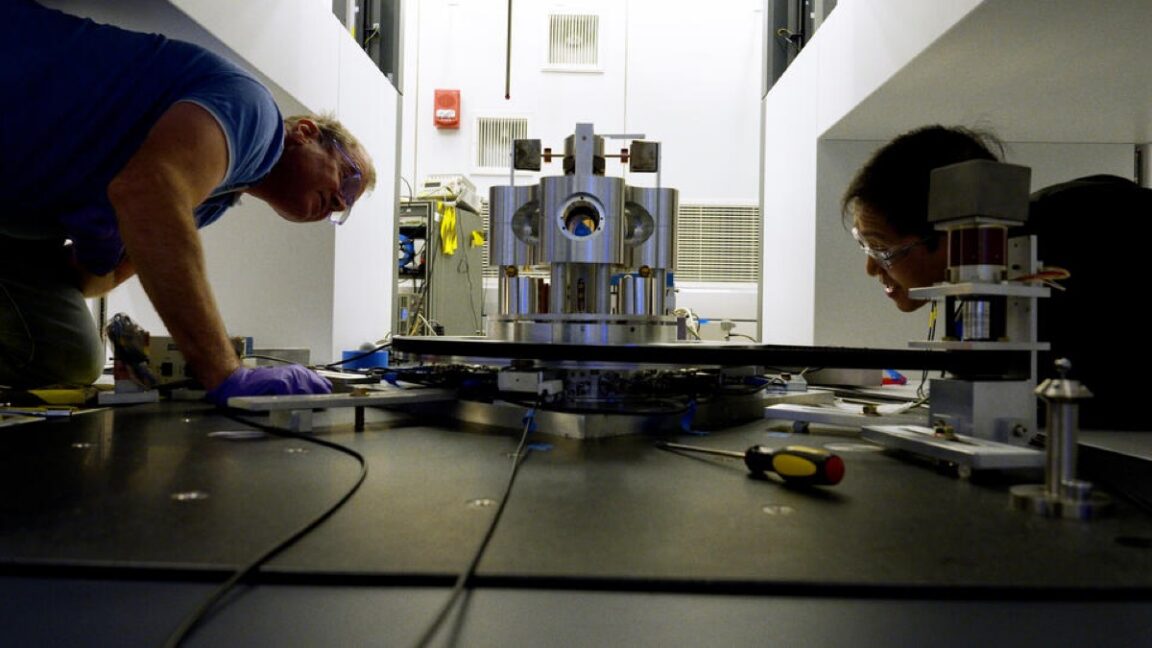
The gravitational constant, or “Big G,” defines the strength of gravity and how mass curves space‑time. Physicists have been measuring it for more than two centuries, yet its value still varies by about one part in ten thousand, making it the most uncertain of the fundamental constants. The challenge stems from gravity’s extreme weakness and the ever‑present background “little g” from Earth’s own field. A decade‑long effort by NIST replicated one of the most divergent recent measurements, adding a new data point but leaving the discrepancy unresolved.
US Space Command: Russia is now operationalizing co-orbital ASAT weapons
Original Publication Date: 2026-04-23 16:52
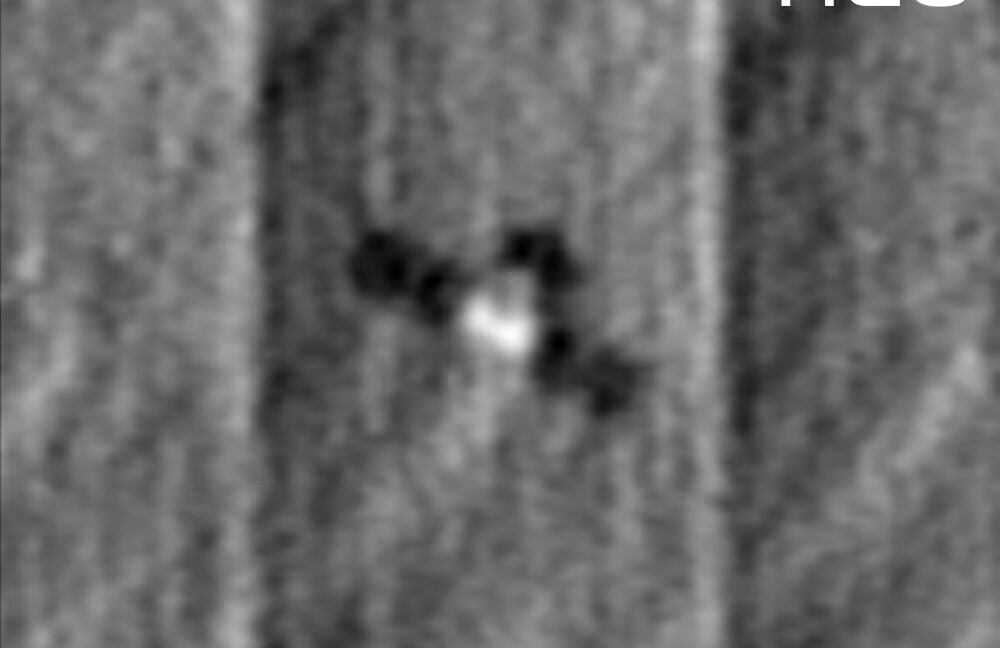
Russia has moved from experimental “nesting‑doll” satellites to operational anti‑satellite weapons aimed at U.S. Spy satellites, according to U.S. Space Command. General Stephen Whiting implied the program, known as Nivelir, has launched four satellites that deploy smaller craft, one of which fired a high‑velocity projectile at a test target in 2020. Analysts say the projectile could be used to strike U.S. Satellites, raising concerns about space security. The design, likened to a Matryoshka doll, hides multiple unknown components within an outer shell.
Eight months early and under budget, the Roman Telescope is ready to launch
Original Publication Date: 2026-04-23 16:27
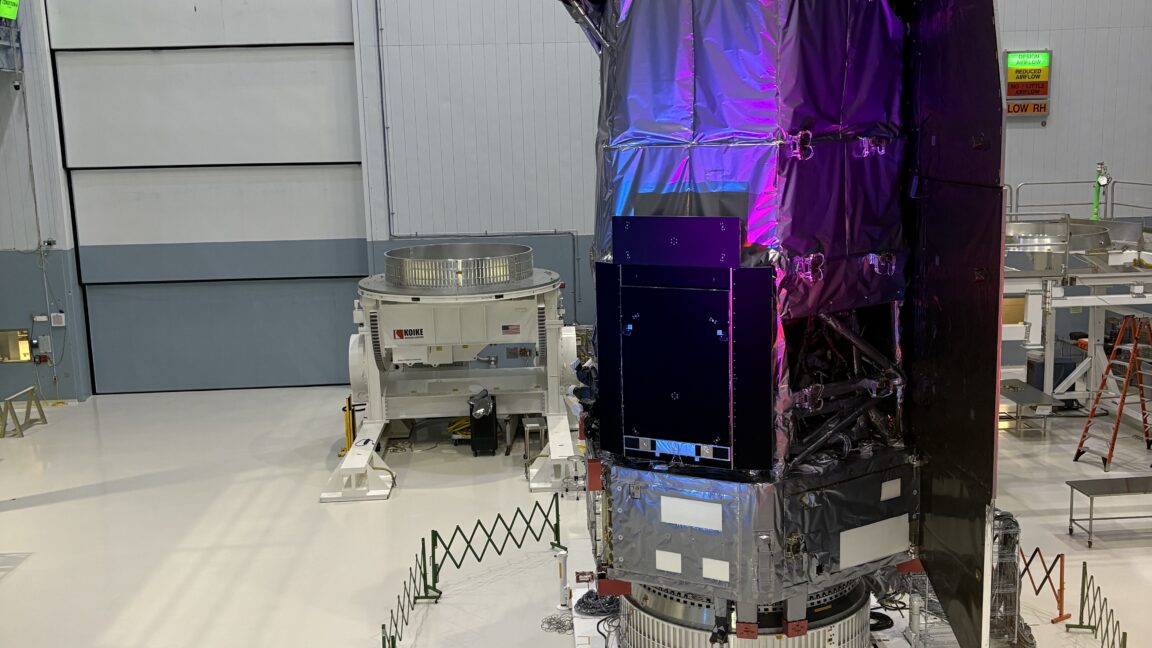
NASA unveiled the fully assembled Nancy Grace Roman Space Telescope in Greenbelt, Md., ahead of its September launch. Unlike Hubble and Webb, the Roman is engineered for wide‑field infrared imaging, capable of sending 1.4 terabytes of data to Earth each day. Its design traces back to repurposed spy satellite hardware, giving it a unique heritage. The telescope will probe the early universe and exoplanet atmospheres that are invisible from Earth due to atmospheric infrared absorption.