 Spotify
 Apple Podcasts
 Podcast Addict
 Overcast
 Podcast RSS
PLD Space secures $35 million European Investment Bank loan for MIURA 5 launcher
Original Publication Date: 2026-04-09 18:34
PLD Space has secured a €30 million ($35 million) venture debt loan from the European Investment Bank to fund the final development phase of its Miura 5 lightweight rocket. The Miura 5 is engineered to launch between 540 kg and 1 tonne of payload into low‑Earth orbit.
Heather Pringle on the upcoming Space Symposium and future international collaboration in space
Original Publication Date: 2026-04-09 14:59
SpaceNews’ Mike Gruss sits down with retired Air Force Major General Heather Pringle, now CEO of a space‑industry firm, on the Space Minds podcast. They discuss the upcoming Space Symposium and its role in shaping global space policy. Pringle highlights the importance of expanding international partnerships to foster collaboration and innovation beyond Earth. The conversation underscores how joint efforts can drive the next wave of space exploration.
China conducts pair of Long March launches for Thousand Sails and Guowang megaconstellations
Original Publication Date: 2026-04-09 14:23
China launched two rockets this week, adding 18 new satellites to its Thousand Sails constellation and 5 to the Guowang network, bringing the latter to 168 operational satellites. The Long March 8 lift‑off from Hainan on April 7 marked the first Thousand Sails deployment since October 2025, while the Long March 6A from Taiyuan on April 8 continued the 13,000‑satellite vision for Guowang, a national response to Starlink. Both missions were successful, with payloads built by the Innovation Academy for Microsatellites of the Chinese Academy of Sciences. These launches underscore China’s rapid expansion of launch cadence, targeting up to 140 missions this year as part of its 2026‑2030 Five‑Year Plan.
A new kind of arsenal: commercial satellites
Original Publication Date: 2026-04-09 14:00
Russia’s 2022 invasion of Ukraine became the first “commercial space war,” as privately owned satellites were used to support military operations. Today the U.S. Space Force is formalizing that role through the Commercial Augmentation Space Reserve, a program that would let commercial providers commit part of their capacity to defense use during crises. The initiative faces hurdles—diverting bandwidth from paying customers, liability for targeted assets, and incentive structures—while experts point to dynamic hybrid networks and mini‑GEO constellations as more flexible, secure alternatives.
What returning to lunar space means for human health
Original Publication Date: 2026-04-09 13:00
NASA is preparing to send crews back to the Moon, but the mission brings new health challenges that go beyond what Apollo crews faced in 1972. Spaceflight exposes astronauts to a mix of known and unknown risks, many of which are subtle, cumulative, and hard to predict. The last lunar landing lasted just over three days, whereas future missions will be longer and involve greater radiation exposure and other hazards. Scientists are rigorously studying these risks to safeguard the health of the astronauts who will return to the lunar surface.
The End of the VSAT Parts Bin
Original Publication Date: 2026-04-09 23:21
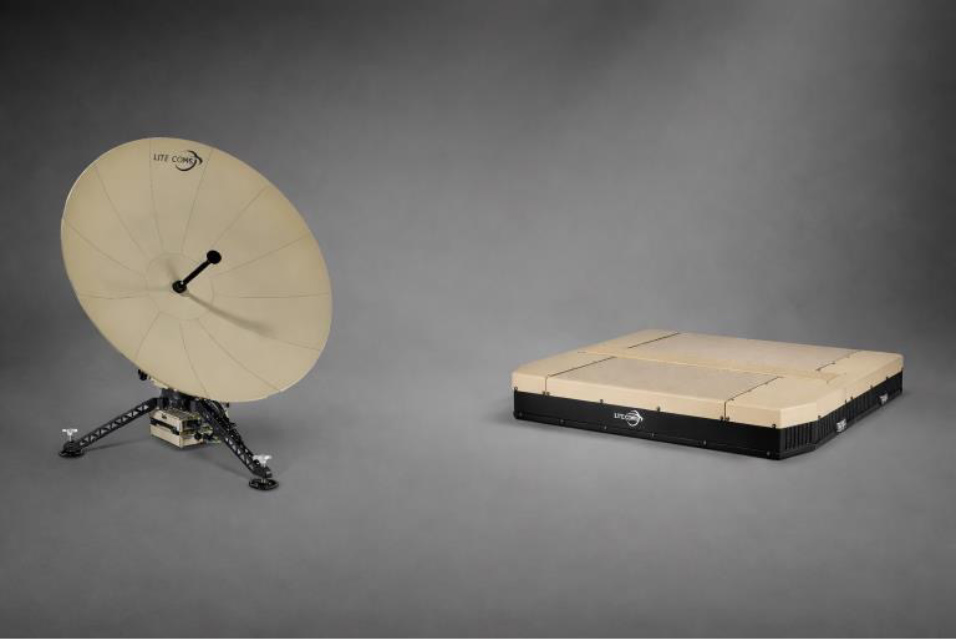
Tactical SATCOM is moving toward fully integrated platforms, thanks in part to Lite Coms’ new solutions that replace the traditional “parts bin” approach with a ready‑to‑deploy system. The shift embraces both parabolic and electronically steerable VSAT architectures, ensuring that operators can field robust, high‑bandwidth communications in the field. Lite Coms’ integration simplifies logistics, reduces setup time, and boosts reliability for military and emergency responders alike. This evolution positions tactical SATCOM as a seamless, plug‑and‑play component of modern battlefield networks.
FCC Modernizes Satellite Spectrum Rules to Unleash Next-Generation Broadband
Original Publication Date: 2026-04-09 16:25

FCC Chairman Brendan Carr announced on April 9, 2026 that the Commission will vote on a new Report and Order to modernize satellite spectrum sharing. The move aims to streamline how satellites and terrestrial services coexist in the radio frequency spectrum. By updating rules, the FCC hopes to increase efficiency and support the growing demand for broadband connectivity. This decision marks a significant step toward a more flexible and technologically advanced spectrum policy.
SmallSat Europe Speaker Focus: Daniel Bock, Morpheus Space
Original Publication Date: 2026-04-09 15:45

Daniel Bock, the CEO and co‑founder of Morpheus Space, grew a modular electric propulsion venture from a TU Dresden laboratory to orbit. The startup has delivered advanced propulsion solutions for small satellites, positioning itself at the cutting edge of space technology. At this year’s SmallSat Europe conference, Bock will sit on a panel debating whether orbital environmental services can evolve into a viable commercial market. The discussion will explore opportunities and challenges for new players in the space economy.
Firefly Aerospace Prepares for Blue Ghost Mission 2 Following Historic Lunar Success
Original Publication Date: 2026-04-09 15:32
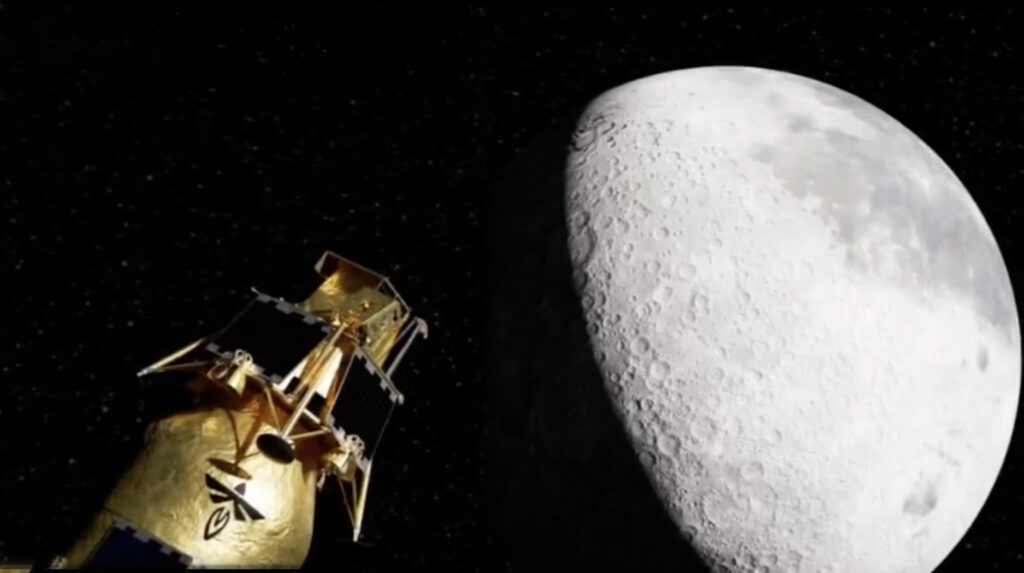
Firefly Aerospace announced on April 8 that assembly and environmental testing for
Lockheed Martin Outlines Strategic Space Technology Roadmap for 2026
Original Publication Date: 2026-04-09 15:13

On April 8, 2026, Lockheed Martin released a comprehensive strategy update outlining the technology trends shaping its space division. The company highlighted a shift toward proliferated military architectures, modular spacecraft, and AI‑driven systems. It also emphasized emerging capabilities in reusable launch vehicles and deep‑space exploration. These initiatives aim to keep Lockheed Martin at the forefront of aerospace innovation.
Earthset From the Lunar Far Side
Original Publication Date: 2026-04-10 04:00
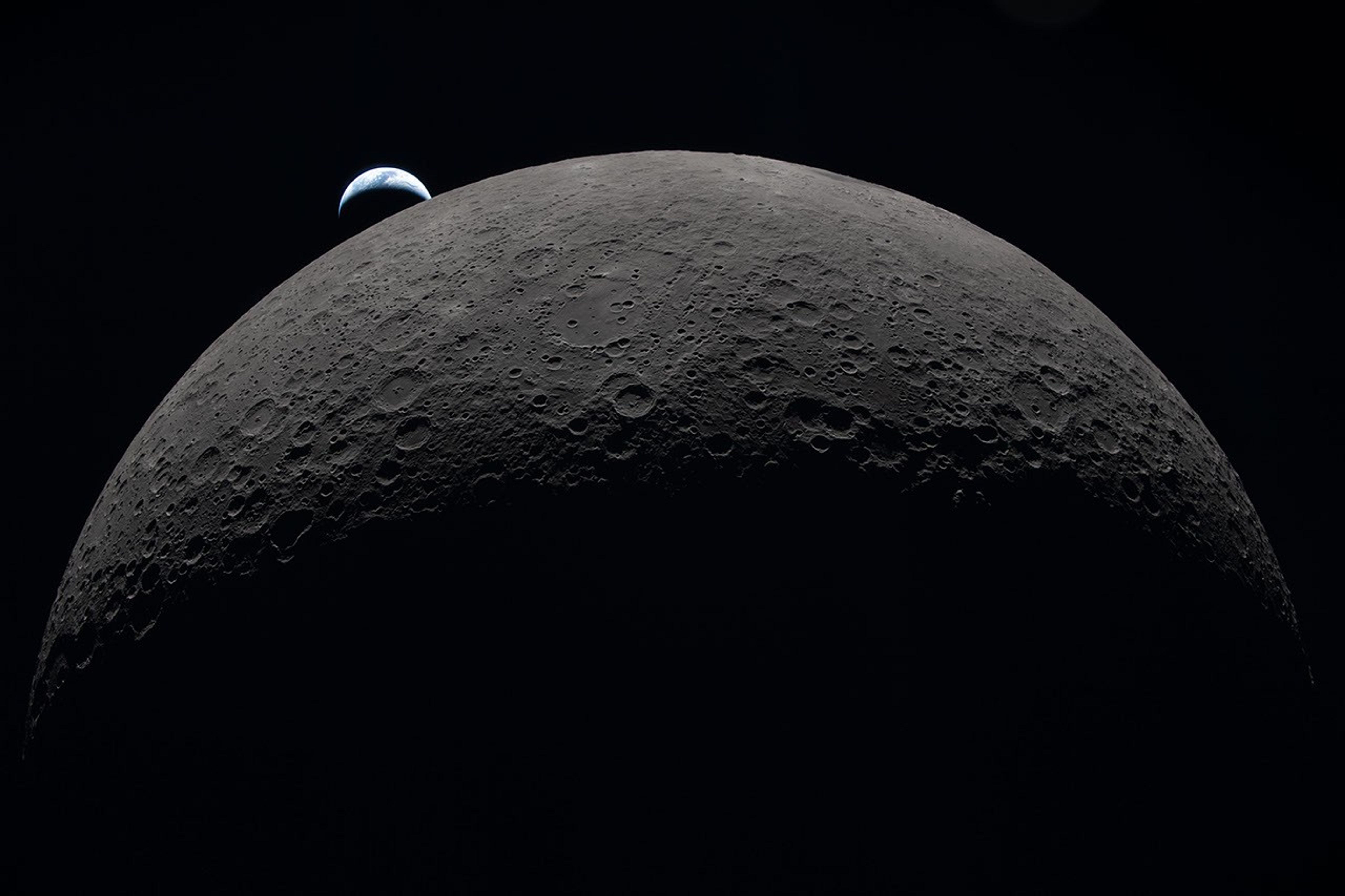
NASA’s Artemis II crew will finish their 10‑day lunar orbit on April 10, splashing down off the California coast. During the mission, they captured an Earthset image as Earth sank below the lunar horizon, echoing Apollo 8’s iconic Earthrise. The photo, taken at 6:41 p.m. EDT on April 6, shows a crescent Earth over Oceania with detailed lunar surface and overlapping craters. Additional images, including a total solar eclipse and planetary lights, are available in the mission gallery.
Indoor Testing Facilities available at the NASA Unmanned Autonomy Research Complex (NUARC)
Original Publication Date: 2026-04-09 21:21
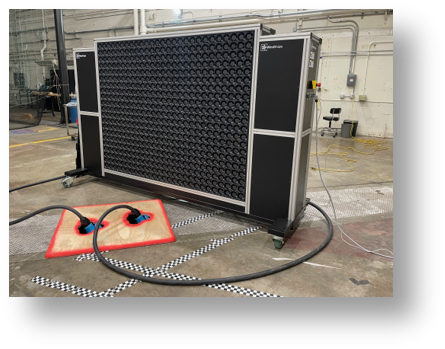
NASA’s Ames Research Center has unveiled the WindShaper, a massive 9‑by‑7‑foot fan array that can produce 0 to 16 m/s winds with acceleration up to 4 m/s², all controllable through a simple Python API. The array contains 1,134 fans arranged as 567 “wind pixels,” allowing researchers to generate steady breezes, gusts, and complex wind gradients for low‑speed and hovering flight studies. A companion device, the WindProbe, uses an OptiTrack motion‑capture system to track a 5‑hole cone probe for rapid, handheld wind data collection. Together, these tools give scientists precise, programmable airflow for dynamic flight research.
I Am Artemis: Dan Florez
Original Publication Date: 2026-04-09 21:45
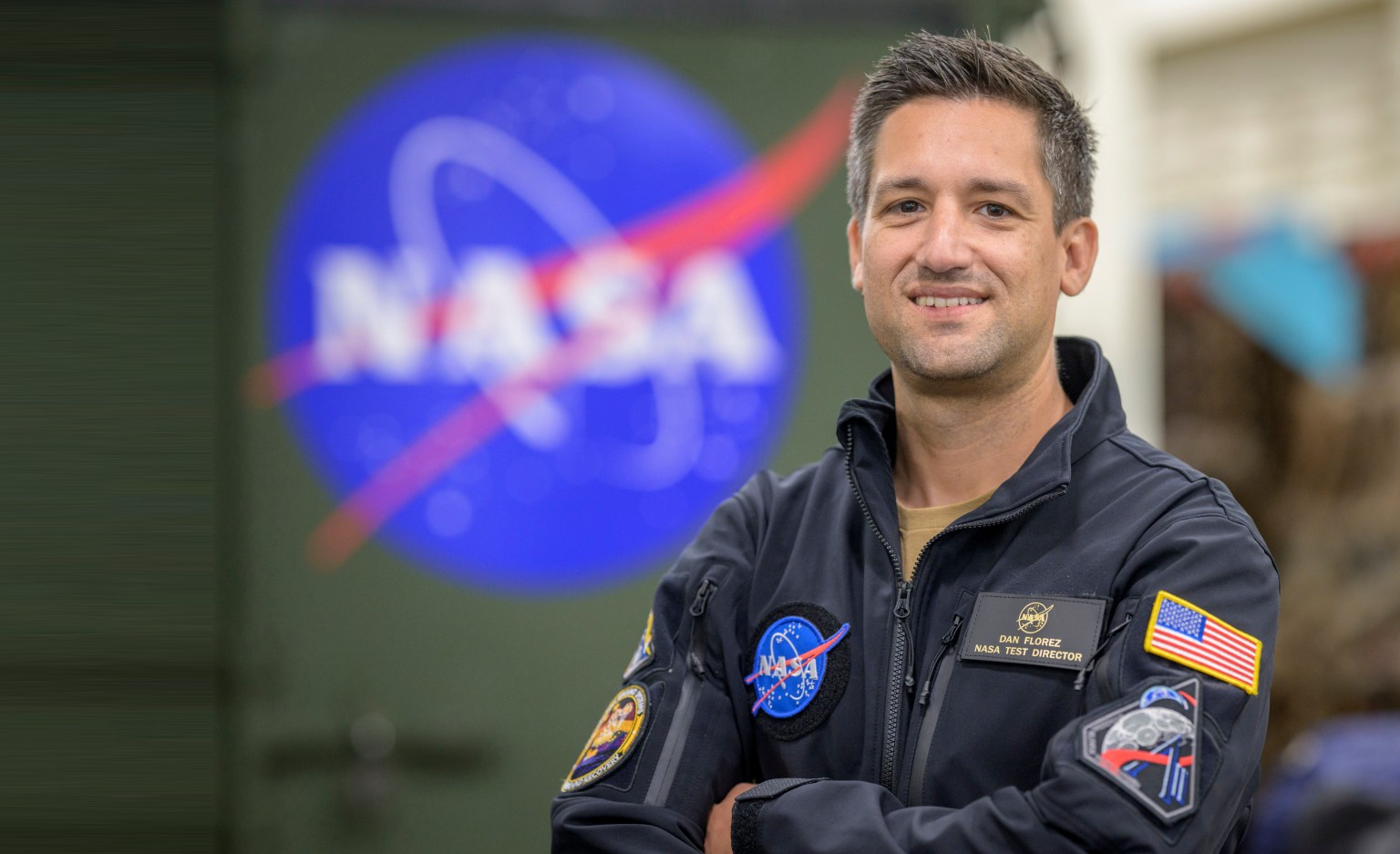
Dan Florez, NASA’s test director for the Exploration Ground Systems Program, watched the engines ignite for Artemis I from Kennedy Space Center’s roof and is now a key figure in ensuring the Artemis II crew’s safe return. He leads a team of 20 engineers who design integrated test plans for launch countdowns, propellant loading, and emergency aborts, now adding a human element for crew safety. Florez coordinates recovery operations with the U.S. Navy and Air Force, conducting underway recovery tests to guarantee a quick rescue if the crew lands anywhere in the world within 24 hours.
Starstruck
Original Publication Date: 2026-04-09 20:29

NASA’s Artemis II crew captured a stunning image of the Milky Way on April 7, 2026, revealing the galaxy’s elegant spiral arms emerging from its central bar. The photograph shows the two dominant arms that stretch over 100,000 light‑years, highlighting the vast scale of our home galaxy. Earth sits within one of these arms, roughly halfway between the galactic center and its outer edge. More images from the mission are available for those who want to explore further.
Artemis II closing in on Earth return
Original Publication Date: 2026-04-10 04:20

NASA’s Artemis II crew completed a historic 10‑day journey that took them farther from Earth than any human has gone since Apollo, looping around the far side of the Moon and reaching a record 252,756 miles from Earth.
China debuts new launchers, tests orbital servicing and outlines future deep-space missions
Original Publication Date: 2026-04-09 10:48

This month China added two new commercial launchers to its fleet, with CAS Space’s Lijian‑2 successfully debuting on March 30 and carrying a Qingzhou cargo prototype to the Tiangong station, while Space Pioneer’s Tianlong‑3 launched on April 3 but failed to reach orbit after an ascent anomaly.
Artemis II Gives Airbus Hope For European Spaceflight
Original Publication Date: 2026-04-10 07:15
Artemis II is finishing its 10‑day lunar fly‑by, with the European Service Module from Airbus keeping the four‑person crew alive and the mission on track. Airbus’s ESM, built on proven heritage from the ISS Columbus lab and the Automated Transfer Vehicle, has performed almost flawlessly, earning the company a contract for six future ESMs. Despite NASA’s recent “Ignition” announcement that could shelve the Lunar Gateway, Airbus says its ESA‑backed work is largely untouched and still poised to support the next Artemis flights. The company remains hopeful that ESA will step up its role, ensuring Europe’s space industry continues to thrive in the lunar era.
Portal Closes $50M Series A
Original Publication Date: 2026-04-09 13:00

Portal Space Systems secured $50 million in Series A funding led by Geodesic Capital and Mach33, with participation from Booz Allen Ventures, Ark Invest, AlleyCorp, and FUSE, to advance its maneuverable spacecraft lineup.
The State of Launch 2026
Original Publication Date: 2026-04-09 12:45

Space companies are racing to meet a boom in satellite constellations and lunar missions, but launch capacity is a bottleneck that can make or break contracts. Executives from Rocket Lab, Firefly and ULA say the market is “great” yet customers still struggle to get manifested on high‑profile rockets like SpaceX’s Falcon 9. The industry is diversifying—Rocket Lab and Firefly are building spacecraft and lunar landers, while ULA stays focused solely on launch, creating a mix of heavy, super‑heavy and smaller rockets to serve different needs. With Florida’s Eastern Range already handling 109 orbital launches in 2025, the sector must expand range capacity and competition to keep pace with the growing demand for access to space.
Artemis 2 moon astronauts splash down today — What to expect at each stage of reentry & landing (timeline)
Original Publication Date: 2026-04-10 10:00
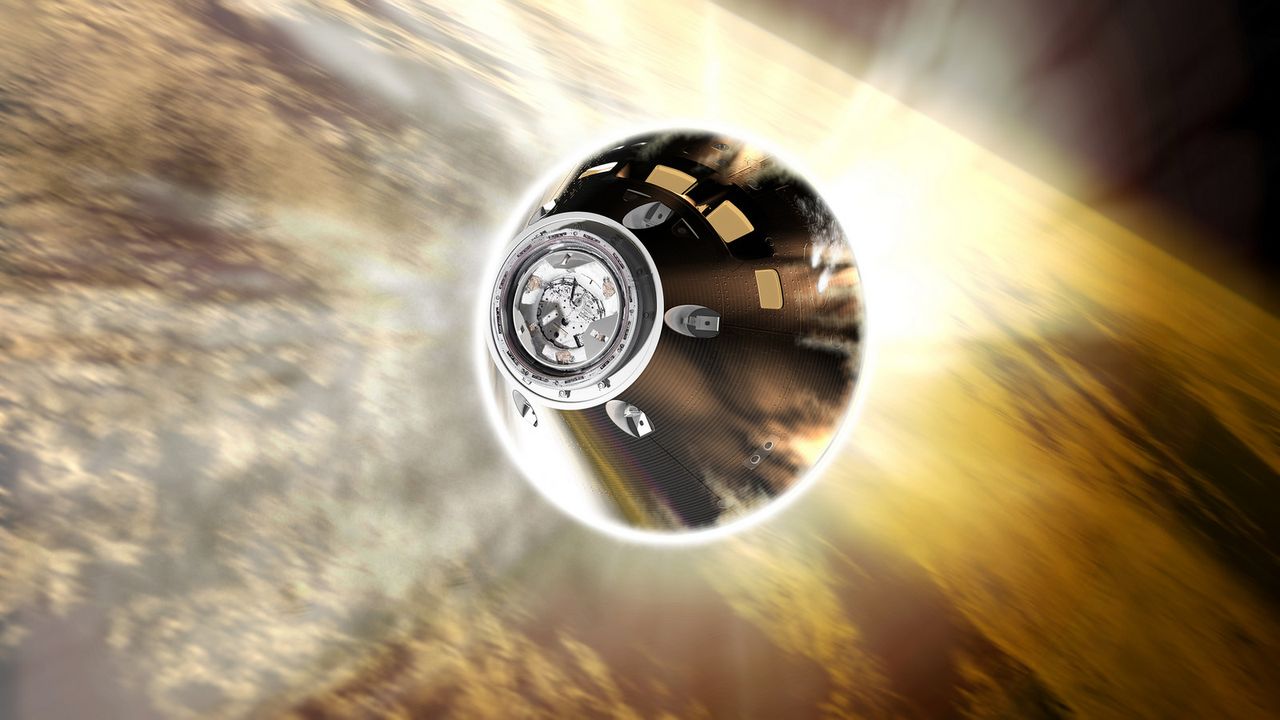
Orion’s crew module is returning from lunar distance at high speed, and its thermal protection system must withstand blistering temperatures to keep astronauts safe. The heat shield, measuring 16.5 feet (5 meters) across, is the largest of its kind ever built for crewed missions. Engineers designed the shield to endure extreme reentry heat, ensuring the Orion crew module can survive the return journey. This development marks a significant milestone in crewed spaceflight technology.
Crew of tiny worms readies for April 11 launch to International Space Station
Original Publication Date: 2026-04-09 19:00
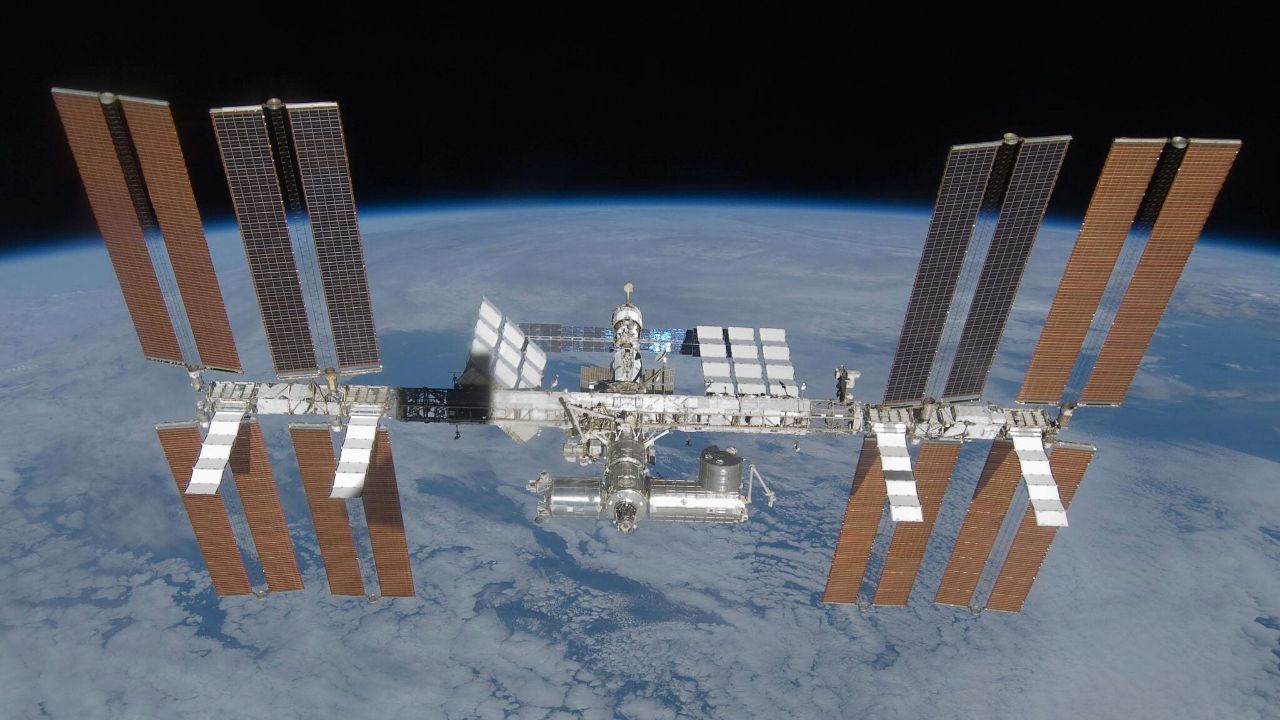
British scientists have launched a pod of tiny roundworms aboard Northrop Grumman’s Cygnus XL cargo vehicle on a SpaceX Falcon 9, set to arrive at the International Space Station on April 11. The 1‑millimeter Caenorhabditis elegans will spend time inside the ISS before being mounted outside on an experimental platform, where it will remain for up to 15 weeks while automated cameras track cellular changes in real time. By observing how microgravity and radiation alter the worms’ genes and cells, researchers hope to pinpoint biological mechanisms that could protect human astronauts on long‑duration missions. This low‑cost study could inform future health‑preservation strategies for crews returning from the Artemis program and beyond.
'It probably will start a precedent': Why satellite company's withholding of Iran imagery has this expert worried
Original Publication Date: 2026-04-09 17:32

Earth‑observation company Planet Labs has decided to indefinitely withhold satellite images of Iran and the broader Middle East after a U.S. Request, following a 14‑day delay last month aimed at preventing attacks on U.S. Allies. The decision has drawn criticism from space‑security experts, who argue that cutting off imagery hampers not only military planning but also humanitarian monitoring, agriculture, and public awareness of war damage. Planet Labs, which has a history of freely sharing data for disaster response and war reporting, cited the need to protect sensitive locations.
A house-size asteroid is heading toward Earth tonight: Here's what you need to know
Original Publication Date: 2026-04-09 17:00
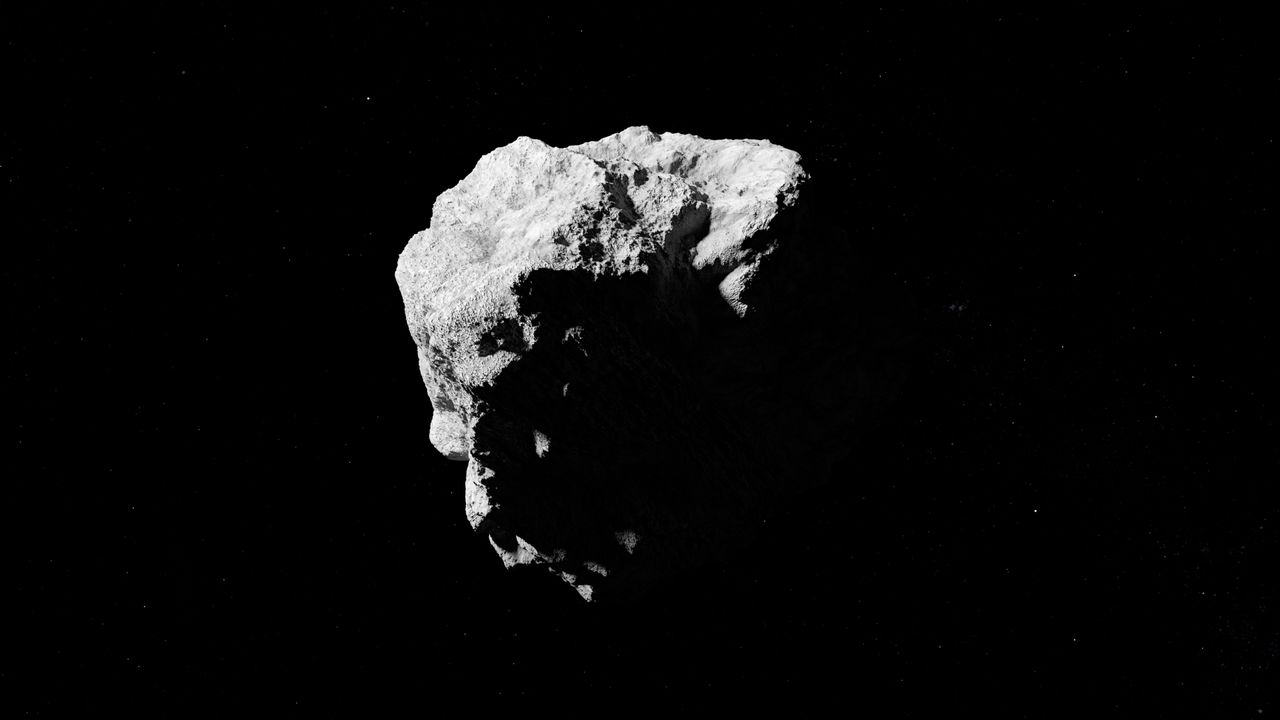
A 16‑meter asteroid, designated 2026 GD, will streak past Earth tonight at 6:59 p.m. Local time, passing just 0.65 lunar distances (155,760 miles) away at a blistering 28,030 mph. A few hours later it will swing by the Moon at only 101,000 miles, still posing no danger to either body or the Artemis 2 crew. The rock, discovered on April 6, has earned a spot on the European Space Agency’s “Risk List,” though its cumulative impact probability is a mere 1 in 124,378 over the next century. After this flyby it will continue on a 644‑day orbit that takes it beyond Mars before returning to the Sun, with its next close encounter not until 2031.
Watch Artemis 2 race back to Earth in this telescope livestream tonight
Original Publication Date: 2026-04-09 16:30
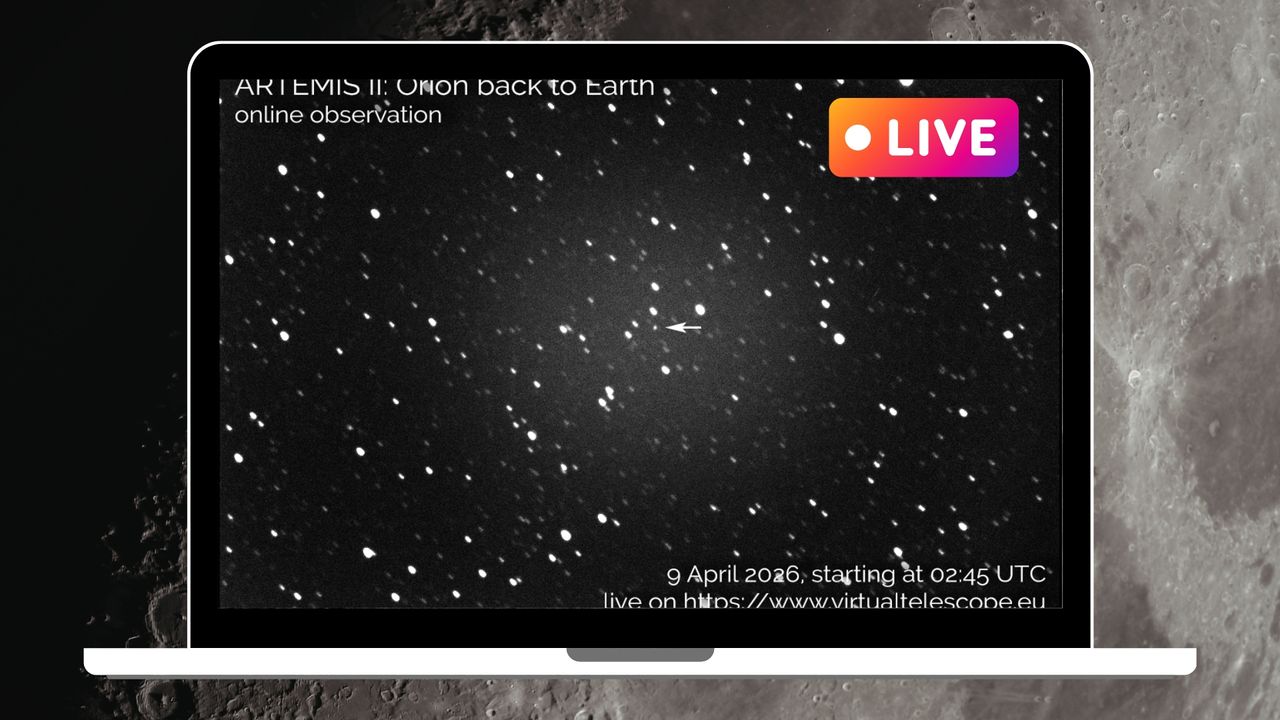
Tonight, NASA’s Artemis 2 Orion spacecraft will race back to Earth, and viewers can watch the journey live on the Virtual Telescope Project at 10:45 p.m. EDT. Using a network of robotic telescopes in Italy, astronomers will track Orion as it glides across the night sky, offering one of the last chances to spot the faint point of light before its fiery re‑entry. The crew, who launched on April 1 and circled the Moon, will splash down in the Pacific on Friday evening, April 10, near San Diego. Tune in to Space.com or VTP’s WebTV for real‑time coverage of this historic return.
Orion helium leak no threat to Artemis II reentry, but will require redesign
Original Publication Date: 2026-04-10 00:55
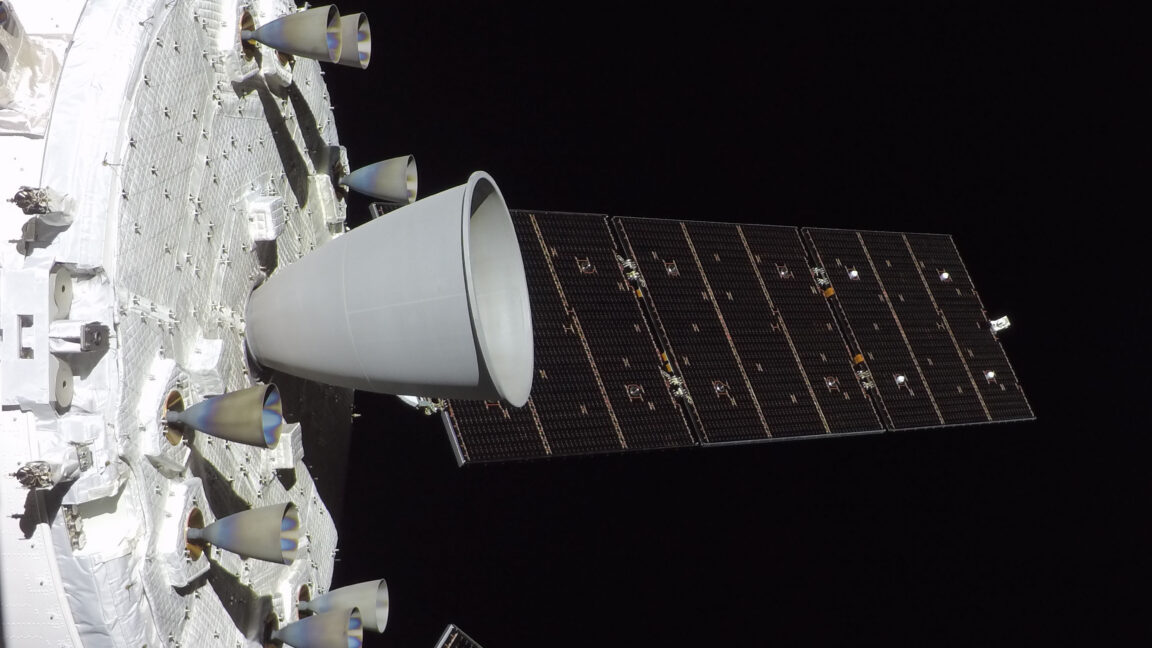
NASA’s Artemis II mission has largely stayed on track, with only minor hiccups in the spacecraft’s toilet and waste disposal system. After a close lunar flyby, ground controllers revised the timeline as the four astronauts headed back to Earth. A planned manual piloting demonstration for Wednesday night was canceled, allowing the crew to run an additional test of Orion’s propulsion system. The test will collect data on a small helium leak that could affect the rocket engines’ fuel delivery.
The gravity of their experience hasn't quite set in for the Artemis II astronauts
Original Publication Date: 2026-04-09 18:19

NASA’s Artemis II crew is winding down a nine‑day mission that took them beyond the Moon, with the four astronauts now preparing for reentry and splashdown in the Pacific on Friday. Commander Reid Wiseman recalled Monday’s dramatic Earth‑Moon eclipse, saying the sight of Earth vanishing behind the Moon was “amazing” and left him with chills and sweaty palms. The crew reflected on seeing the Moon’s terrain projected across Earth’s atmosphere, an unforgettable view that underscored the awe of deep‑space travel.