 Spotify
 Apple Podcasts
 Podcast Addict
 Overcast
 Podcast RSS
China’s commercial Tianlong-3 rocket fails on debut launch
Original Publication Date: 2026-04-03 09:55
China’s commercial launch firm Space Pioneer lost its first attempt at the Tianlong‑3 rocket, which failed moments after liftoff from Jiuquan on Saturday. An ascent‑phase anomaly caused the 72‑meter vehicle to abort, and the company has issued an apology while investigations into the cause continue.
Artemis 2 heads to the moon
Also covered by: Spaceflight Now, Space.com
Original Publication Date: 2026-04-03 02:30
NASA launched Artemis 2 on April 1, 2026, using the Space Launch System to send the Orion capsule and a four‑person crew—Commander Reid Wiseman, Victor Glover, Christina Koch and Canadian astronaut Jeremy Hansen—into a free‑return trajectory toward the Moon.
Swift spacecraft reorientation buys time for reboost mission
Original Publication Date: 2026-04-02 23:35
NASA is accelerating operations on the aging Swift Observatory to buy time for a $30 million reboost mission by Katalyst Space. The spacecraft has been reconfigured to reduce drag, slowing its decay and giving the team a window to launch the Link vehicle by June 1. If the Link spacecraft docks and boosts Swift, the observatory could resume full science operations after a brief pause. The mission’s success hinges on meeting tight launch and docking schedules amid ongoing technical challenges.
Former Sierra Space CEO Tom Vice to lead Astrion
Original Publication Date: 2026-04-02 20:44
Tom Vice, the former chief executive of Sierra Space, has been appointed CEO and executive chair of Astrion, a Huntsville, Alabama‑based defense contractor. Astrion also named Eric Brown, a former Lockheed Martin Space vice president, as president of space operations, and Conn Doherty, a former RTX executive, as chief growth officer. These appointments are part of Astrion’s push to expand its space business, including systems engineering and integration work for U.S. Military and civil programs, while targeting domestic and international markets. With roughly $1 billion in sales, Astrion was created in 2023 by merging ERC and Oasis Systems and later adding Axient in 2024, positioning it as a key technical services provider across defense, intelligence and civil agencies.
Optical terminals still a bottleneck in Pentagon’s proliferated constellation
Original Publication Date: 2026-04-02 19:39
When 21 Lockheed Martin satellites for the Space Development Agency’s Tracking Layer Tranche 1 launched on Oct. 15, each carried only
CAS Space Successfully Launches Kinetica-2, Aiming for Global Cost Leadership
Original Publication Date: 2026-04-02 19:49
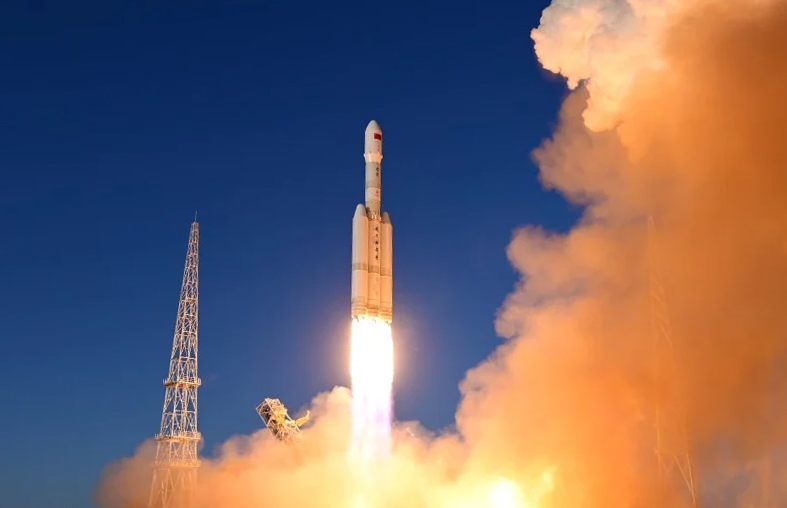
On March 30, 2026, Chinese commercial space firm CAS Space (Zhongke Yuhang) successfully launched its Kinetica‑2 Y1 rocket, also known as Lijian‑2 Y1. The flight marked the carrier’s maiden launch, proving the vehicle’s readiness for future missions. The achievement underscores China’s expanding commercial space industry and its growing launch capacity. This successful debut positions CAS Space to compete in the increasingly competitive domestic launch market.
L3Harris Taps Mercury Systems for High-Capacity Data Storage on SDA Tranche 3 Satellites
Original Publication Date: 2026-04-02 17:04

Mercury Systems announced on April 2, 2026 that it has secured a contract from L3Harris Technologies to supply advanced solid‑state data recorders (SSDRs) for the Space Development Agency’s (SDA) Tranche program. The SSDRs will support the agency’s next‑generation space-based sensor networks, enhancing data capture and storage capabilities. This partnership underscores Mercury’s growing footprint in the aerospace sector and its reputation for high‑performance data‑recording solutions. The contract marks a significant milestone for both companies as they advance space technology for national defense.
Antaris Secures $28M Series A to Advance AI-Powered Satellite Mission Platform
Original Publication Date: 2026-04-02 16:58
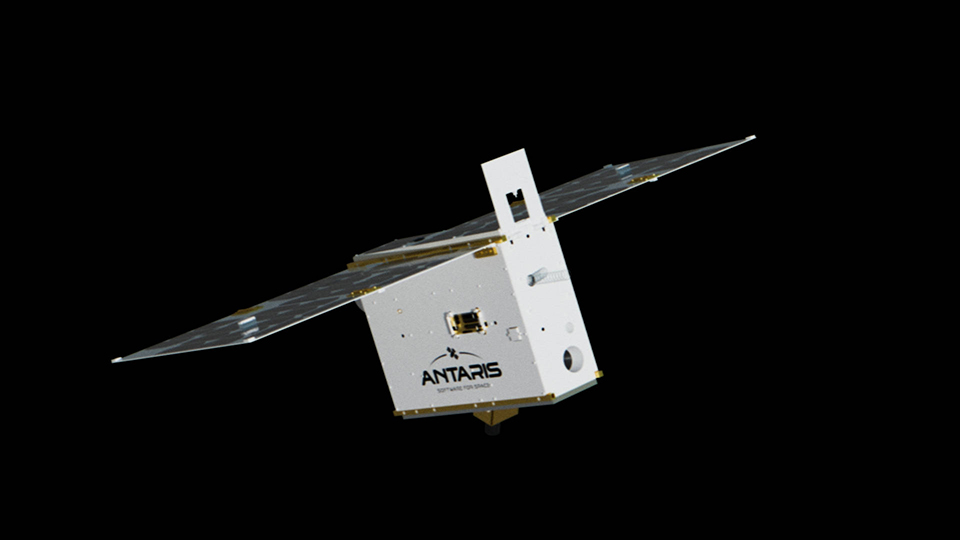
Los Altos‑based software‑defined space pioneer Antaris announced on March 31 2026 that it has closed its first Series A round, raising $28 million. The funding will support the company’s next‑generation satellite platforms and help scale its cloud‑controlled launch services. Antaris’ investors praised its disruptive technology that turns traditional spacecraft into software‑driven systems. With this capital, the firm is poised to accelerate product development and broaden its market reach.
Amazon in Reported Talks to Acquire Globalstar in $9 Billion Move to Challenge Starlink
Original Publication Date: 2026-04-02 16:46
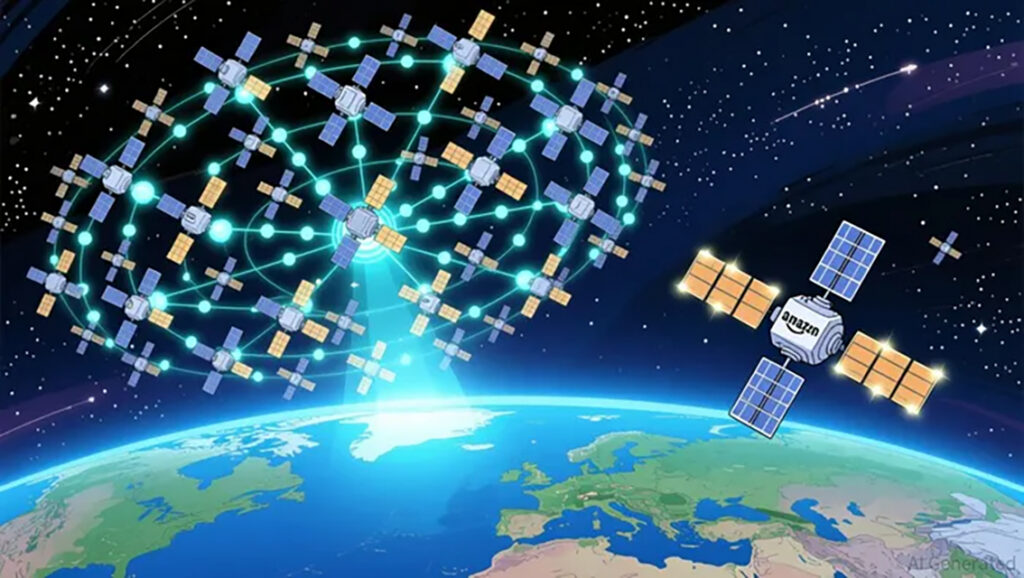
Amazon is reportedly in advanced talks to buy satellite telecommunications firm Globalstar for roughly $9 billion, a move that would give the e‑commerce giant a foothold in the growing space‑based communications market. The acquisition would expand Amazon’s cloud and logistics services with high‑speed, low‑latency connectivity across the globe. Industry analysts warn that the deal could reshape competition in the satellite industry and trigger regulatory scrutiny. If approved, the purchase would mark a significant shift for Amazon into the space sector.
Fortastra Expands Leadership Team with Defense and Intelligence Veterans to Drive National Security Mission
Original Publication Date: 2026-04-02 14:07

On April 2, 2026, Los Angeles‑based space systems developer Fortastra Corporation announced the appointment of three high‑profile industry veterans to its leadership team. The new hires, each with decades of experience in aerospace and defense, are expected to bring fresh expertise and strategic direction to the company. Fortastra said the move is a deliberate effort to strengthen its executive bench and position the firm for rapid growth in the commercial space sector. The company’s leadership is now better equipped to pursue new launch opportunities and secure additional investment.
Barents Sea Tied to Low Arctic Sea Ice
Original Publication Date: 2026-04-03 04:00

On March 15, 2026, the Arctic reached its lowest maximum sea‑ice extent since satellite records began in 1979, covering 14.29 million square kilometers. NASA’s Terra satellite captured a striking image of the northern Barents Sea on March 17, revealing thin, fragmented ice and widespread open water.
NASA’s Artemis II Mission Leaves Earth Orbit for Flight around Moon
Original Publication Date: 2026-04-03 02:48
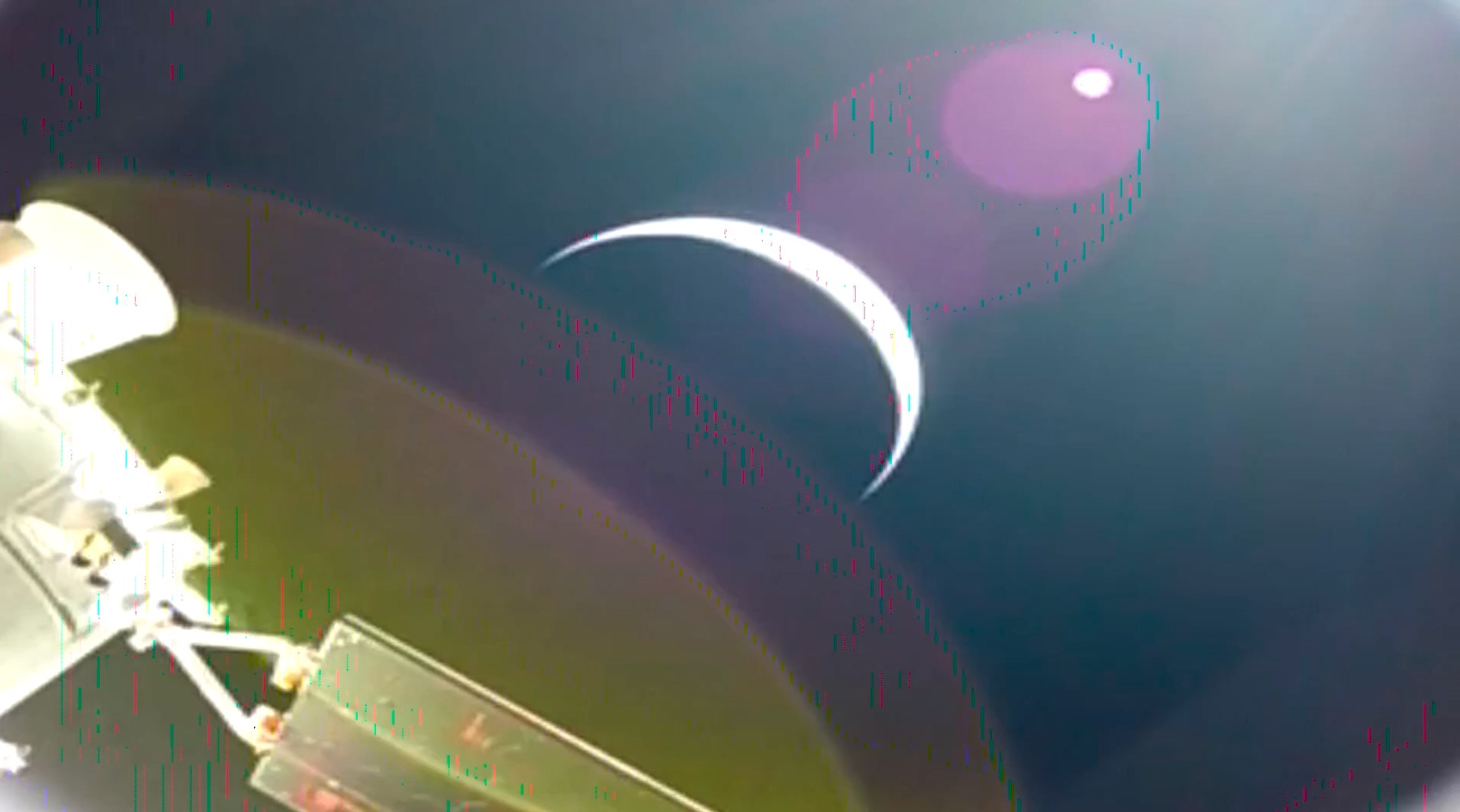
NASA’s Artemis II launched from Florida on April 1, sending four astronauts—Reid Wiseman, Victor Glover, Christina Koch, and Canadian Jeremy Hansen—into a 10‑day test flight that will circle the Moon and return to Earth. After a six‑minute translunar injection burn, Orion broke free of Earth’s orbit, marking the first time since Apollo 17 that humans have departed Earth orbit.
Artemis II Astronauts Launch to Moon
Original Publication Date: 2026-04-02 16:50
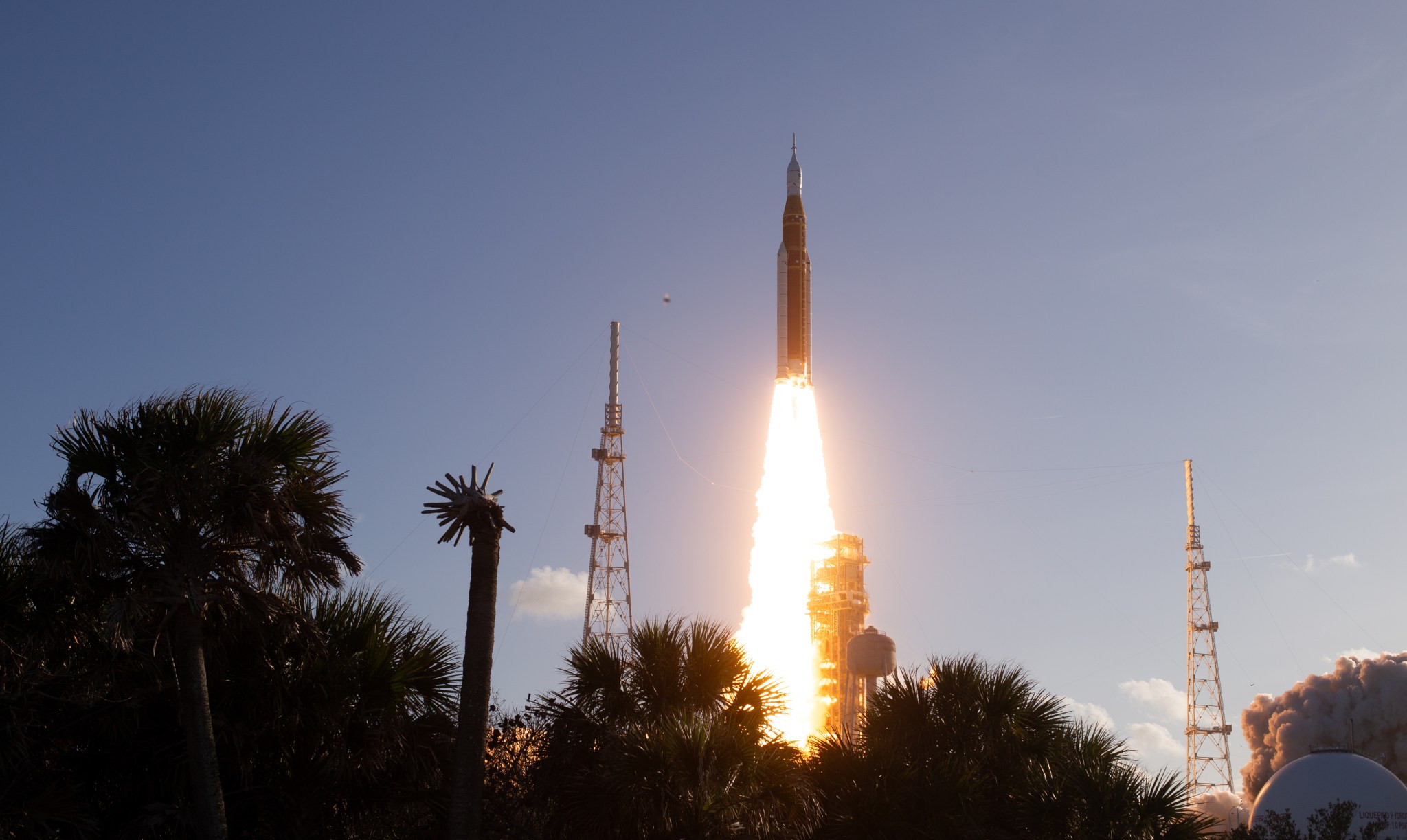
NASA’s Space Launch System rocket and Orion spacecraft lifted off on April 1, 2026, marking the start of the Artemis
Artemis II Orion performs TLI Burn — Now headed to the Moon
Original Publication Date: 2026-04-03 03:46

NASA’s Orion spacecraft has completed its trans‑lunar injection burn, launching the Artemis II crew toward the Moon. The six‑minute AJ10 engine firing— a refurbished shuttle‑age engine— propelled four astronauts to a record distance, surpassing Apollo 13. After a quick fix to the spacecraft’s toilet system, the crew now enjoys a first rest period and is preparing for a lunar flyby in about four days.
CLPS Companies Excited For NASA’s ‘Opportunity Bomb’ Lunar Plan
Original Publication Date: 2026-04-02 22:10

NASA unveiled a new vision for a lunar base that will be built and supplied through monthly uncrewed landings starting next year. The CLPS 2.0 program, announced on March 24, will feature larger landers, a faster launch cadence over a 10‑year ordering window, and a $6 billion budget cap.
Phantom Space Acquires Thermal Management Technologies
Original Publication Date: 2026-04-02 13:00
Phantom Space has acquired Thermal Management Technologies, a specialist in satellite thermal components, to boost its upcoming in‑orbit data center constellation, Phantom Cloud, slated for mid‑2027 deployment. The acquisition will keep TMT’s founder Scott Schick as general manager while the company works with Phantom on the first Block 1 satellites. Meanwhile, Phantom is racing to launch its Daytona rocket in late 2027, having recently bought Vector Launch’s assets to speed development.
DJI Avata 360 drone review
Original Publication Date: 2026-04-03 07:00
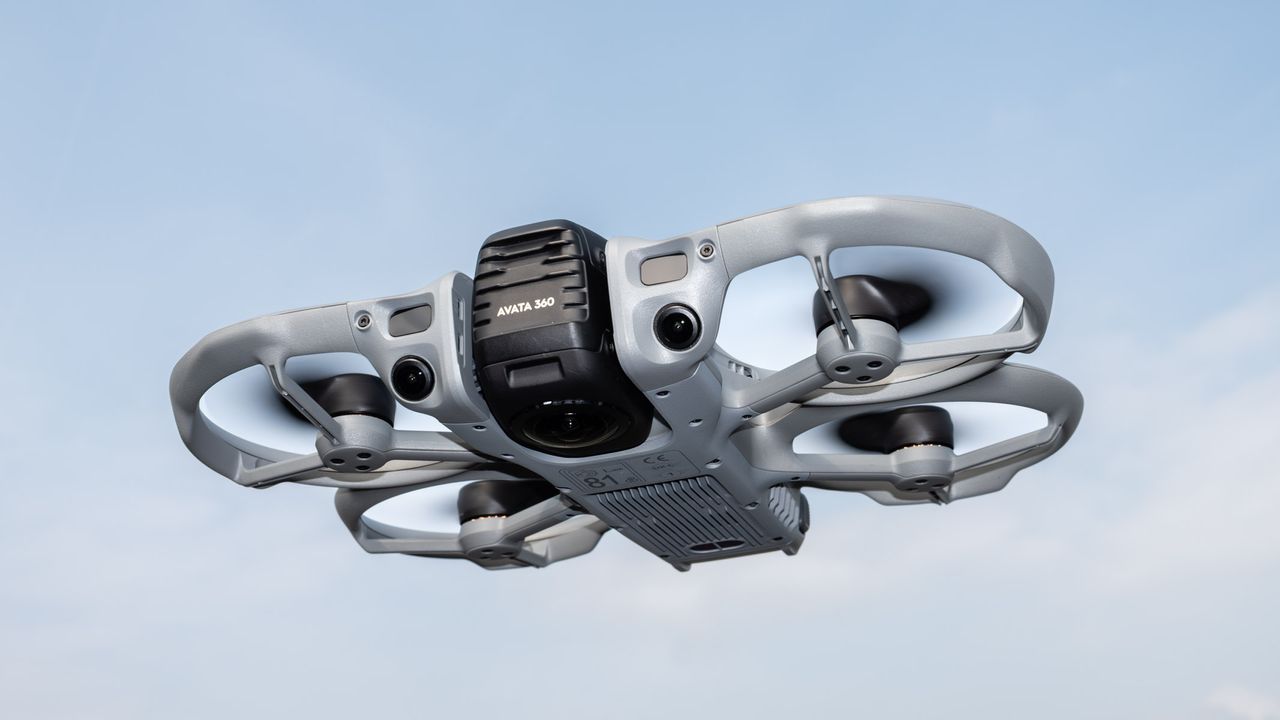
DJI unveiled its latest Avata 360, a lightweight FPV drone that delivers immersive 360‑degree video in real‑time. The new model boasts a 1/1.3‑inch sensor, 4K resolution, and a 120‑degree field of view, all powered by a new 4S battery that extends flight time to 20 minutes. Test pilots praised its agile handling and low noise, making it ideal for both hobbyists and professional filmmakers. The Avata 360 is set to hit retail stores next month, promising a new era of immersive aerial storytelling.
Artemis 2 astronauts head for the moon after make-or-break engine burn (video)
Original Publication Date: 2026-04-03 00:28
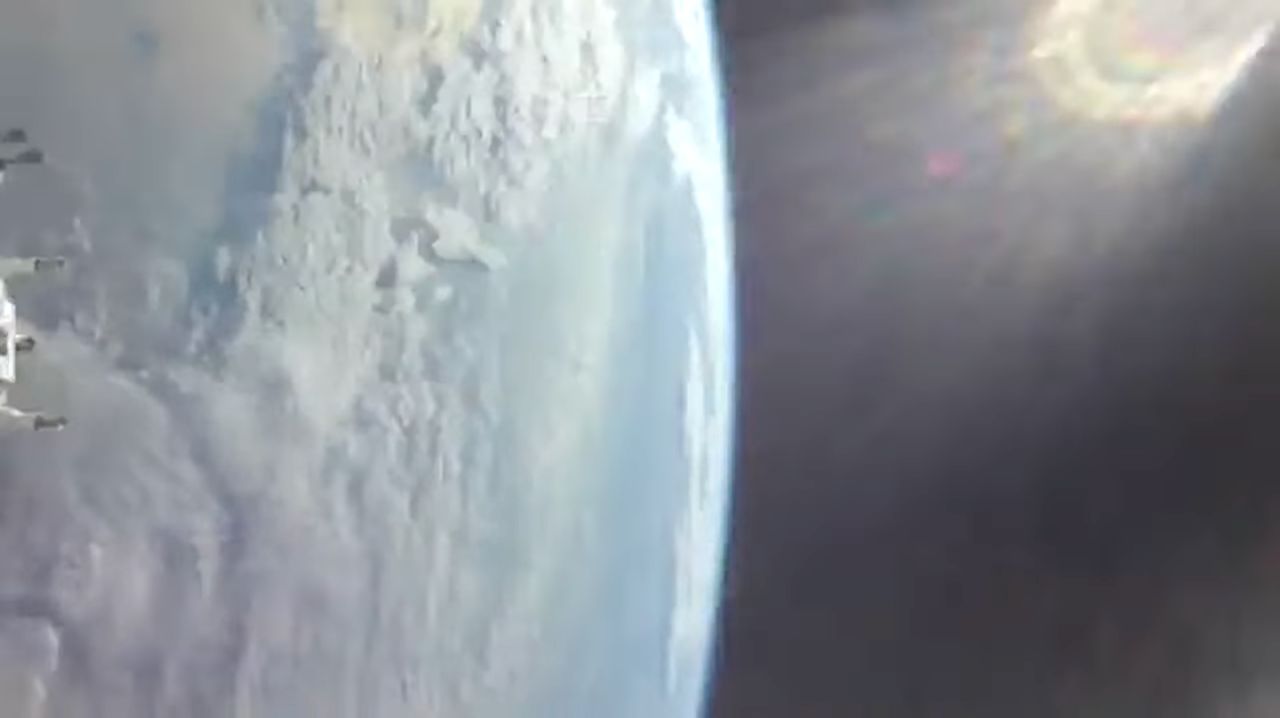
NASA’s Artemis 2, the first crewed mission to orbit the Moon since 1972, launched from Kennedy Space Center on April 1 with four astronauts aboard the Orion capsule.
Lucky airplane passengers capture NASA's Artemis 2 moon launch from the sky
Original Publication Date: 2026-04-02 22:00
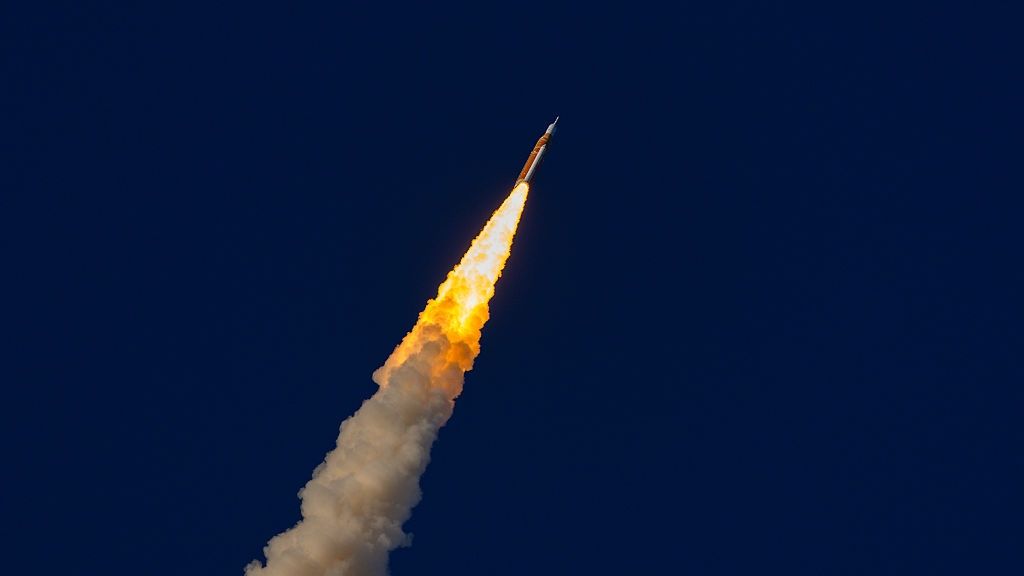
On April 1, 2026 NASA launched its Artemis 2 mission, sending a four‑person crew aboard Orion on the Space Launch System from Kennedy Space Center. The launch drew worldwide attention, especially from passengers on flights who captured the rocket’s fiery ascent from the sky and shared the footage on TikTok. The viral clips, often set to music from films like “Interstellar,” highlighted the rocket’s towering plume and sparked renewed enthusiasm for lunar exploration. The event underscored how popular culture and social media can unite viewers in awe of humanity’s return to the moon.
Stunning new James Webb Space Telescope images reveal 'hidden' stars being born
Original Publication Date: 2026-04-02 15:00

The James Webb Space Telescope has captured unprecedented infrared images of the star‑forming region W51, revealing dozens of young, massive stars that were invisible to previous telescopes. By peering through thick clouds of gas and dust, JWST shows glowing lanes of gas, shockwaves, and giant bubbles around these stellar infants. Scientists say the images will help unlock how high‑mass stars form, a process that remains poorly understood. The observations indicate that these stars began forming less than a million years ago, a blink of an eye compared to our 4.6‑billion‑year‑old Sun.